Leave Your Message

How to Choose the Best Camping Mobile Toilet in 2026?

Choosing the best Camping Mobile Toilet in 2026 is less about collecting features and more about matching a toilet to your trip. Start with how you travel. A compact, lightweight model may suit a short hike, while car camping can accommodate a larger seat and greater capacity. Check the manufacturer’s stated load limit, dimensions, empty weight, and recommended waste containers before buying. Capacity matters. For a busy weekend campground, a stable seat and straightforward cleaning may prove more useful than an extra accessory. Small details matter. If possible, test the setup at home before packing it.

Next, consider privacy, odor control, and waste handling. A sealed container or compatible liner can help contain mess, but no design eliminates the need for careful cleaning and disposal. Follow the product instructions and the campground’s posted waste-disposal guidance. Needs also change with weather, trip length, and who will use the toilet. A model that works well beside a vehicle may feel too bulky for a small tent or a tightly packed trunk. That trade-off is real. Compare replacement-part availability and cleaning requirements, too; these details are easy to overlook when a product photo emphasizes comfort. Product specifications offer a useful starting point, but they cannot predict every campsite or user preference. Think through where the toilet will sit, how it will be carried, and how you will clean it afterward. The best choice is practical, not necessarily perfect—and a little honest reflection before purchase can prevent an awkward surprise outdoors.
How to Choose the Best Camping Mobile Toilet in 2026?

Identify Your Camping Toilet Needs and Trip Conditions

Before comparing camping toilets, consider who will use one and for how long. A solo overnight trip has different needs from a family weekend. Count expected users, nights away, and likely toilet visits. At remote campsites, check available disposal facilities and site requirements before choosing a system. Some models need water and regular emptying; others use removable waste bags. Treat stated capacity as a guide, not a guarantee.

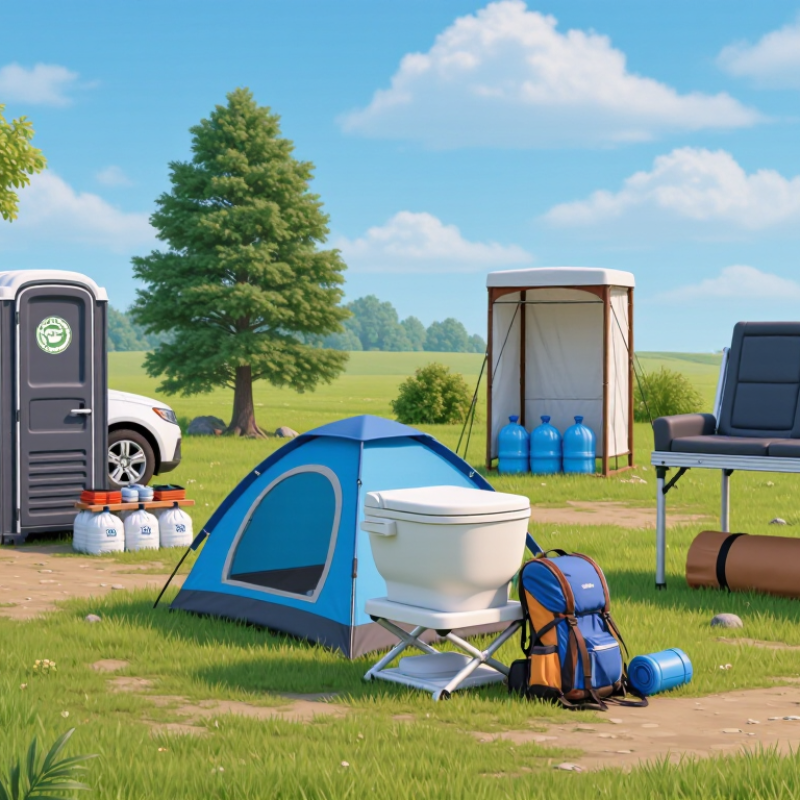
Think about where the toilet will go and how you will carry it. Measure your vehicle’s storage space, and consider whether it must fit inside a small tent vestibule. A water-flush unit can feel heavy when its tank is full. A dry-bag design may be lighter, but you must pack out used bags responsibly. Small details matter. So does cleanup. Cold weather, muddy ground, and limited privacy can change what feels practical. If children or older campers will use it, check seat height and stability.

Be honest about your tolerance for emptying, cleaning, and carrying supplies. The biggest model is not always the easiest choice on a rough trail. I once overlooked setup space; the toilet fit in the car but barely fit in camp. It was a useful mistake. Try assembling your chosen type at home, and check its seals, base, and latches before leaving.
Compare the Main Types of Portable Camping Toilets

Bucket-style toilets are the lightest and simplest option. They suit short trips, basic campsites, and travelers with limited storage. Some use disposable liners, while others need a reusable container and careful cleaning. Check how waste should be handled at your destination before choosing one. Simple, but not for everyone.

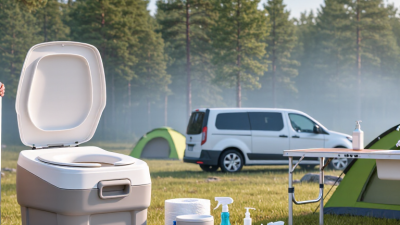
Folding toilets pack flat and set up quickly, though their seats may feel less stable on soft ground. A portable flush toilet offers a more familiar experience, with separate clean-water and waste tanks. It is comfortable, but heavier when full; lifting and emptying it takes planning.

Cassette models have a removable waste tank, which can make handling easier, but capacity still matters for longer stays. Composting units can reduce water use, yet they need suitable ventilation, regular maintenance, and more packing space.

A practical comparison starts with trip length, vehicle space, and access to approved disposal facilities. On a rainy evening, a toilet that is awkward to assemble may stay in the vehicle. I would also check the lid, seals, and handle before departure. Small details count. No type is perfect; weight, comfort, cleanup, and storage pull in different directions.

Evaluate Capacity, Comfort, Portability, and Waste Disposal

How to Choose the Best Camping Mobile Toilet in 2026?

Capacity should match the trip, not just the product description. Check the waste-tank volume separately from the flush-water capacity, then estimate use by campers and nights away. A larger tank means fewer emptying stops, but it adds bulk. Remember that one gallon of water weighs about 8.3 pounds, so a full unit can be awkward to lift. Small detail, big difference.

Comfort matters after a long day outdoors. Compare seat height, bowl size, lid stability, and how easily the unit seals. If possible, sit on a similar model before buying; comfort is personal, and product photos cannot show everything. The Outdoor Industry Association’s 2024 Outdoor Participation Trends Report counted 175.8 million U.S. participants in outdoor recreation during 2023. Trips vary widely, so choose for your actual group and campsite, not an imagined average.

For portability, check the empty weight, carrying handles, and storage dimensions in your vehicle. For disposal, confirm that the campsite has an appropriate dump station and follow its posted instructions. Never empty waste onto the ground or into a storm drain. The 2024 North American Camping Report from Kampgrounds of America reported that 58 million North American households camped in 2023, reflecting many different trip styles. A compact toilet may be easier to pack, but you may need to empty it more often. There is no perfect compromise.

How to Choose the Best Camping Mobile Toilet in 2026?

Compare typical waste-container capacity ranges as a starting point. Larger capacity can mean fewer emptying trips, but may add weight when full.

Capacity ranges are indicative and vary by model. Composting-toilet capacity refers to the solids container, so it is not directly comparable with liquid waste tanks. When choosing, also check seat comfort and height, packed size and weight, and how waste can be disposed of at your campsite.

Check Setup, Cleaning, Durability, and Environmental Requirements

A camping mobile toilet should fit the way you travel, not just the space in your vehicle. Before buying, check its assembled height, footprint, and loaded weight. Can it stand securely on uneven ground? A wide base helps, while a folding design may save room but feel less steady. Practice the setup at home. A quick test can reveal awkward latches or parts that are easy to misplace.

Cleaning matters on every trip. Look for smooth surfaces, a removable waste tank, and a lid that closes securely. Check how the tank empties and whether its handle stays comfortable when full. Keep cleaning supplies in a separate, reachable pouch. Small details matter. A narrow opening or splash-prone pour can make an otherwise convenient toilet unpleasant. I may be overcautious here, but ease of cleaning is worth more than a long list of features.

Durability depends on materials, joints, and care. Inspect hinges and locking points, and consider whether replacement seals are available. A lightweight seat can be convenient, but it should not flex noticeably under normal use. Think about environmental requirements, too: follow the site’s waste-disposal guidance, and never assume waste can be emptied outdoors. Water-saving or composting designs may suit some trips, but they still need careful handling. The right option depends on your route, facilities, and willingness to maintain it.

Match Your Budget to the Best Toilet for Your Camping Style

Your budget should reflect how you camp, not just the toilet’s purchase price. KOA’s 2024 North American Camping Report estimated that 58 million North American households camped in 2023. That broad audience includes car campers with room for a larger unit and hikers who count every ounce. Very different needs.

On a tight budget, a simple portable toilet may suit occasional car camping, but include bags, cleaning supplies, and storage in your cost estimate. For frequent trips, a flushable cassette toilet costs more upfront and needs space for its waste tank. A composting model can suit longer stays, though it needs careful maintenance and a dry-material supply. Small details add up.

Before buying, check the unit’s loaded weight, seat height, capacity, and cleaning steps. Picture a rainy campsite: can you empty and clean it without carrying the whole setup far? Follow the facility’s waste-disposal instructions; access and rules vary. A common planning mistake is comparing sticker prices alone. I would also check replacement-part availability, though that is easy to overlook when shopping. If you camp only a few nights each year, a premium unit may be harder to justify than a lighter, simpler option.

How to Choose the Best Camping Mobile Toilet in 2026? - Match Your Budget to the Best Toilet for Your Camping Style

Toilet Type Typical Upfront Budget (USD) How It Handles Waste Best Camping Style Main Advantages Things to Consider
Bag-based folding toilet $15–$50 Uses a removable, usually single-use waste bag; replacement bags are an ongoing cost. Occasional car camping, short trips, and emergency backup. Lightweight, compact to store, quick to set up, and does not require a holding tank. Plan for enough bags and follow local rules for sealing, carrying, and disposing of human waste.
Bucket-style toilet $20–$60 A seat fits over a bucket, commonly around 5 gallons; liners or absorbent material may be used. Budget-minded car campers and group camps with room for supplies. Simple design, low purchase cost, and easy-to-find replacement parts or liners. Bulky compared with folding models; the bucket and waste require careful, hygienic handling.
Portable flush toilet $80–$200 Fresh water is used to flush waste into a built-in holding tank; tank capacity varies by model. Family car camping, longer stays, and campers who prefer a more familiar toilet experience. Flush operation, enclosed waste storage, and a more comfortable setup than a basic bucket. Heavier when filled; fresh water, cleaning, and access to an approved waste-disposal point are needed.
Portable cassette toilet $120–$350 Waste collects in a removable, sealed cassette that is emptied at a designated disposal point. Van camping, frequent road trips, and campers who want a tidy, self-contained unit. Removable waste tank can make transport to a disposal point more manageable; models are available with flush features. Check cassette capacity, filled weight, cleaning requirements, and whether suitable disposal facilities are available on your route.

Planning note: Prices are approximate US retail ranges for 2026 and vary by size, materials, and included accessories. Consumables and disposal fees may add to the total cost. Always follow campsite rules and local requirements for human-waste disposal.