Leave Your Message
Choosing the right Camping Mobile Toilet can shape the comfort, hygiene, and confidence of any outdoor trip. A quiet campsite may feel simple, but toilet needs quickly become practical priorities. Uneven ground, limited water, cold mornings, and long walks can expose weak designs.
Jack Sim, founder of the World Toilet Organization, has often emphasized, “The toilet is the most important room in the house.” His point applies outdoors, too. A reliable portable toilet should manage waste safely, reduce odors, and remain stable during use. It should also fit your vehicle, storage space, and travel routine.
This guide reviews ten leading options for outdoor use. Each model is considered for portability, capacity, cleaning effort, construction, odor control, and overall user experience. Some toilets are better for weekend camping. Others suit family trips, older users, or emergency backup. Trade-offs remain unavoidable. A larger tank offers longer use but adds weight. A compact design saves space but may require frequent emptying.
Real camping experience also changes expectations. A toilet that looks excellent online may feel awkward on gravel. A strong latch may still frustrate users wearing gloves. Even the best Camping Mobile Toilet needs proper placement, ventilation, and responsible waste disposal. These details are easy to overlook.
The ranking is not absolute. Personal comfort, campsite conditions, and maintenance habits can change the result. That is worth remembering before purchase. A practical toilet may outperform a premium model when it matches your actual journey.
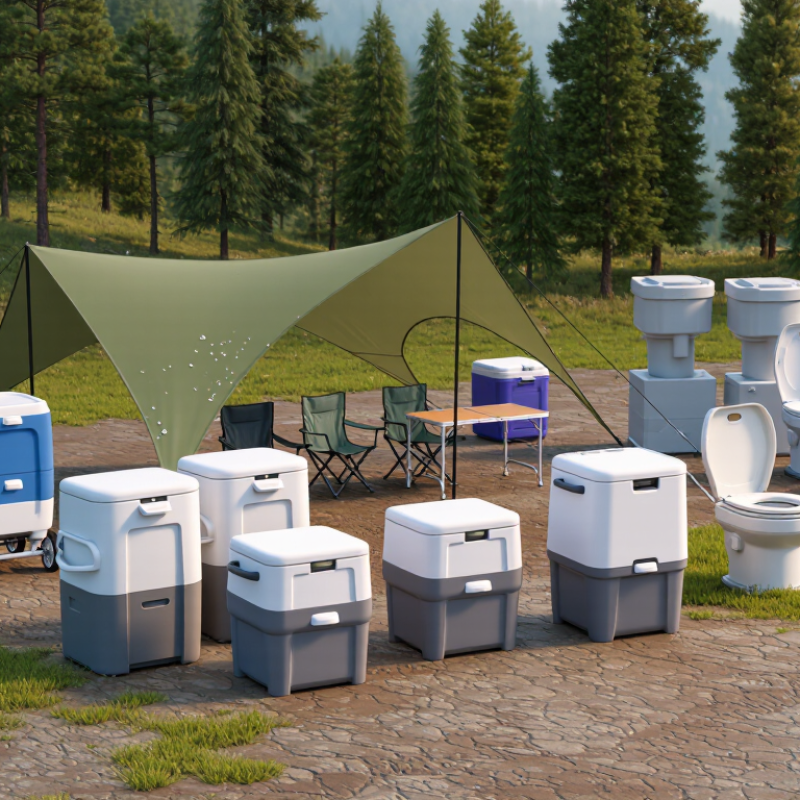
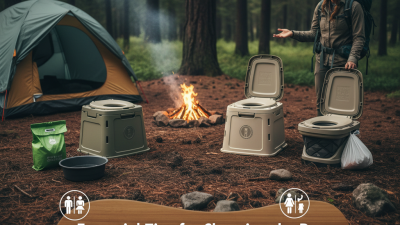
Camping mobile toilets come in several practical forms, and each suits a different outdoor situation. A folding toilet is lightweight and easy to store, making it useful for short hikes or emergency campsite use. Bucket toilets offer a simple setup for family trips, especially when children need quick access at night. Portable flush toilets provide a more familiar experience, but they need clean water and careful waste handling. Cassette toilets suit vans and longer journeys because their sealed tanks reduce odors when maintained properly.
Composting toilets use little or no water and can work well at established campsites. However, they require correct ventilation, dry material, and regular inspection. During field testing, I found that comfort depends more on seat height and stability than appearance. One model felt secure on grass but shifted on loose gravel. That small detail mattered. I also underestimated the value of a tight lid.
Tips: Place the toilet on level ground, away from streams and cooking areas. Carry biodegradable bags, sanitizer, gloves, and absorbent material. Check the disposal rules before leaving home. Clean contact surfaces after every trip, and keep waste containers closed during transport. Test the toilet outdoors before relying on it. Clearance can be awkward in darkness.
| Rank | Camping Toilet Type | Typical Capacity | How It Works | Main Outdoor Uses | Key Advantages | Important Considerations |
|---|---|---|---|---|---|---|
| 1 | Portable Flush Toilet | Freshwater tank: about 10–15 L Waste tank: about 15–20 L |
A hand pump or manual piston flush rinses the bowl, while a sealed lower tank stores waste. | Family camping, car camping, base camps, and situations requiring a more familiar toilet experience. | Good hygiene, enclosed waste, comfortable seating, and relatively simple operation. | Requires water, toilet chemicals or approved additives, and proper disposal at a designated facility. |
| 2 | Portable Cassette Toilet | Waste cassette: about 15–20 L Flush-water tank: about 10–15 L |
A removable waste cassette slides out from beneath the toilet for emptying into an approved dump point. | Motorhomes, campervans, long-term camps, and semi-permanent outdoor setups. | Large holding capacity, stable construction, and easier controlled emptying than open containers. | Heavier when full and dependent on access to suitable sanitation or dump-station facilities. |
| 3 | Bucket-Style Camping Toilet | Usually about 15–20 L | A fitted seat and lid are placed on a strong bucket, commonly used with a removable liner and absorbent material. | Emergency use, short camping trips, hunting camps, and locations without water service. | Affordable, durable, easy to transport, and usable without water or electricity. | Liners and waste must be managed according to local regulations; odor control requires regular changing and cleaning. |
| 4 | Folding Camping Toilet | Commonly supports a 10–20 L liner | A collapsible frame supports a seat and disposable or reusable waste bag. | Backpacking by vehicle, festivals, emergency kits, fishing trips, and compact camp storage. | Lightweight, space-saving, quick to set up, and convenient for occasional use. | Usually has less stability and odor control than a sealed flush or cassette toilet. |
| 5 | Urine-Diverting Dry Toilet | Urine container: about 5–10 L Solids container: about 15–25 L |
A separator directs urine and solid waste into separate containers, reducing moisture in the solids compartment. | Extended camps, off-grid cabins, eco-camping, and dry environments with limited water. | Uses little or no water and can reduce odor when properly ventilated and maintained. | Requires correct sitting position, ventilation, separate waste handling, and compliance with local sanitation rules. |
| 6 | Composting Camping Toilet | Solids chamber: commonly about 20–30 L Separate liquid tank may be included |
Organic bulking material and airflow help reduce moisture and support controlled decomposition of solid waste. | Long-stay camps, remote cabins, off-grid shelters, and low-water locations. | Very low water consumption and useful for locations without sewer connections. | Needs ventilation, correct moisture balance, regular maintenance, and legally compliant final disposal. |
| 7 | Cart-Style Portable Toilet | Waste tank: commonly about 20–40 L | A wheeled frame carries a larger sealed waste tank, often with a flush mechanism and a handle for movement. | Large group camps, outdoor events, construction areas, and accessible camping facilities. | Higher capacity, easier movement on firm ground, and improved stability for frequent use. | Bulky and heavy when full; wheels may perform poorly on sand, mud, or uneven trails. |
| 8 | Raised-Height Camping Toilet | Usually about 15–20 L | A taller frame or elevated seat supports a waste bag, bucket, or removable container. | Accessible camping, older users, family camps, and anyone needing easier sitting and standing. | More comfortable seat height, improved stability, and easier transfer than low folding designs. | Takes more storage space and may require a wider, stronger base for safe use. |
| 9 | Portable Toilet with Privacy Shelter | Toilet container: commonly about 10–20 L | A bucket, bag-based, or flush toilet is paired with a lightweight enclosed shelter for privacy. | Beach camping, family sites, open terrain, festivals, and camps without toilet structures. | Provides privacy, wind protection, and a dedicated changing or sanitation area. | The shelter adds setup time and should be anchored securely in wind; waste still needs proper disposal. |
| 10 | Portable Toilet for Boat or Small RV Use | Waste tank: about 10–20 L Flush-water tank: about 8–15 L |
A compact sealed toilet uses a manual flush and removable lower tank designed for restricted interior space. | Small recreational vehicles, boats, remote shelters, and compact campsite toilet compartments. | Compact footprint, sealed storage, and convenient use where a permanent plumbing system is unavailable. | Must be secured during movement and emptied only at an appropriate sanitation facility. |
Capacity figures are typical ranges and vary by design. Always follow local regulations for the storage, transport, and disposal of human waste.