
Leave Your Message

Top 10 Camping Mobile Toilets for Outdoor Buyers?

Outdoor recreation is expanding, but campsite comfort still depends on practical details. The 2024 KOA North American Camping Report recorded 57.8 million camping households in the United States during 2023. That figure suggests a broader audience seeking cleaner, simpler outdoor solutions. A dependable Camping Mobile Toilet can support family camping, van travel, fishing trips, and emergency preparedness.

Market research also indicates sustained interest in portable sanitation. Grand View Research identifies growing demand for portable toilets, supported by outdoor recreation, construction, events, and temporary facilities. Meanwhile, the Outdoor Industry Association reported that 175.8 million Americans participated in outdoor recreation in 2023. These reports provide useful market context, though they do not determine which toilet performs best beside a tent.

Real experience matters more than impressive packaging. A toilet that feels stable on uneven ground can outperform a lighter model with weak hinges. Seal quality matters near sleeping areas. Waste-bag compatibility matters at midnight. So does cleaning.

Small details matter.

This guide compares ten leading camping toilets using practical buyer criteria, including seat comfort, height, odor control, setup time, capacity, weight, durability, and disposal requirements. It also considers different users, from weekend campers to older adults and families with children. No model solves every outdoor situation. Some are compact but less comfortable, while others offer better stability but consume valuable storage space. Product specifications can also look better than real campsite performance. Readers should verify local disposal rules and manufacturer instructions before purchase. The ranking is therefore a reasoned buying aid, not an absolute verdict.

Top 10 Camping Mobile Toilets for Outdoor Buyers?

Types of Camping Mobile Toilets and Their Main Uses

Top 10 Camping Mobile Toilets for Outdoor Buyers

Camping mobile toilets differ by structure, capacity, and disposal method. Portable bucket toilets are simple and affordable for short trips. They suit emergency use, basic campsites, and backup situations. Cassette toilets provide a sealed tank and a more familiar sitting height. They work well in camper vans, family tents, and longer stays. Composting toilets separate liquid and solid waste, reducing odor when maintained correctly. They need careful setup, dry material, and regular ventilation. A folding toilet is lightweight and compact. It is useful for hiking bases, fishing areas, and overnight roadside stops, though its seat can feel less stable.

Flushable portable toilets offer cleaner operation and better comfort. Their fresh-water tank and waste tank add weight, which matters when carrying equipment. Disposable bag toilets are quick to prepare and store. However, they create more waste and may feel less practical during extended camping. Some models combine a sturdy frame with removable liners. These are helpful for children, older campers, or users needing easier access. My field experience suggests that capacity ratings can be optimistic. Cold weather, uneven ground, and poor ventilation change real performance.

Tips: Check local disposal rules before leaving home. Test the toilet on level ground. Carry spare liners, gloves, sanitizer, and odor-control material. Keep ventilation open when safe. Never place a toilet near streams or cooking areas. A small privacy shelter improves comfort, but strong wind can make it awkward. Choose stability over appearance. It is often the detail people regret ignoring.

Key Features to Compare Before Choosing a Portable Camping Toilet

Choosing among the top 10 camping mobile toilets requires more than checking price or appearance. The 2024 Outdoor Participation Trends Report recorded 175.8 million outdoor participants in the United States during 2023. That growth makes practical sanitation important, especially at crowded campsites. Compare total weight, packed size, seat height, and setup time. A toilet that feels stable at home may wobble on uneven soil. I once underestimated this detail. It was uncomfortable at 4 a.m.

Waste capacity also matters. Solo campers may prefer a compact container, while families need fewer emptying trips. Look for a secure lid, leak-resistant seals, and a smooth interior. These features reduce odors and make cleaning easier. A splash-free flush system is useful, but it should not require excessive water. In remote areas, every litre matters. Check whether the unit accepts biodegradable liners and whether local disposal rules permit them.

Material quality deserves close attention. Thick plastic handles cold mornings better than brittle, lightweight parts. A wide base improves stability, while a higher seat can help older users. Ventilation may reduce odor, although no portable toilet removes it completely. That expectation needs reconsidering. The 2023 sanitation guidance from international public-health agencies emphasizes hand hygiene and safe waste handling, so include a sealed waste process and nearby hand-cleaning supplies. Before buying, test the locking mechanism with gloves. Small controls become surprisingly difficult in rain.

Top 10 Camping Mobile Toilets for Different Outdoor Needs

Top 10 Camping Mobile Toilets for Different Outdoor Needs

Outdoor toilets vary because campers face different spaces, weather, and hygiene concerns. A folding seat toilet suits short hikes and small tents. A lined bucket model works for simple car camping. A cassette toilet offers better odor control for longer stays. Composting units reduce water use, but they need careful setup and ventilation. A portable flush toilet feels more familiar for family trips. A lightweight stool helps backpackers, although comfort may be limited. A privacy shelter pairs well with basic toilets in open campsites. An insulated model performs better during cold-weather camping. A high-capacity toilet serves groups, but it becomes heavy when full. A compact emergency toilet fits vehicles and roadside travel.

Check the seat height before buying. Children and older campers may need extra support. Examine the waste container, sealing method, and cleaning access. Double-walled parts can reduce smells, while strong latches help prevent leaks. My field experience suggests that simple designs often cause fewer problems. However, bucket systems can feel awkward during windy nights. That detail is easy to underestimate.

Use approved waste bags and follow the campsite’s disposal rules. Never empty waste near streams, trails, or sleeping areas. Carry disinfectant wipes, gloves, absorbent material, and spare liners. A toilet with no ventilation may become unpleasant after several hours. A model that looks convenient online may feel unstable on uneven ground. Test the unit at home before departure. Small flaws become obvious outdoors.

Top 10 Camping Mobile Toilets for Outdoor Buyers? - Top 10 Camping Mobile Toilets for Different Outdoor Needs

Specifications are typical values for commonly available portable toilet designs; actual capacity, dimensions, and operating requirements vary by model.
No. Toilet Type Best Outdoor Need Typical Waste Capacity Flush or Waste System Typical Size
(L × W × H)
Approx. Empty Weight Key Advantage
1 Compact Folding Toilet Seat Ultralight backpacking and emergency use Bag-based; no fixed tank Disposable liner bag with absorbent material 33 × 33 × 8 cm folded
13 × 13 × 16 in folded
0.5–1.5 kg
1.1–3.3 lb
Very small packed size and easy transport
2 Portable Bucket Toilet Budget camping and short weekend trips 15–20 L solid-waste bucket Removable liner bag; absorbent medium recommended 40 × 40 × 38 cm
15.7 × 15.7 × 15 in
2–4 kg
4.4–8.8 lb
Low purchase cost and simple maintenance
3 Basic Chemical Cassette Toilet Car camping and regular campsite use 10–12 L waste tank
12–15 L flush tank
Manual water flush with removable waste cassette 42 × 38 × 42 cm
16.5 × 15 × 16.5 in
3.5–5 kg
7.7–11 lb
Self-contained design with odor-control chemicals
4 Large-Capacity Cassette Toilet Family camping and multi-day base camps 18–25 L waste tank
15–20 L flush tank
Manual or battery-assisted water flush 46 × 40 × 45 cm
18 × 15.7 × 17.7 in
5–8 kg
11–17.6 lb
Fewer emptying intervals for several users
5 Separating Dry Toilet Low-water camping and extended stays Urine tank: 5–10 L
Solids container: 10–20 L
Urine-diverting dry separation; no flush water 50 × 45 × 50 cm
19.7 × 17.7 × 19.7 in
8–15 kg
17.6–33 lb
Uses little or no water and reduces liquid odor
6 Composting Toilet Long-term off-grid camps and remote cabins Solids chamber: 20–40 L
Separate liquid tank: 10–20 L
Aerobic decomposition with ventilation and bulking material 55 × 50 × 55 cm
21.7 × 19.7 × 21.7 in
12–25 kg
26.5–55 lb
Minimizes water use and frequent waste handling
7 Portable Flush Toilet with Electric Pump RV awnings, powered campsites, and comfort-focused trips 15–20 L waste tank
10–15 L flush tank
Battery-powered pump with water flush 45 × 40 × 45 cm
17.7 × 15.7 × 17.7 in
5–8 kg
11–17.6 lb
More hygienic flushing with less manual pumping
8 Portable Toilet for Children Family camping with toddlers and young children 5–8 L liner or waste container Removable liner bag or small manual flush tank 35 × 30 × 25 cm
13.8 × 11.8 × 9.8 in
1–3 kg
2.2–6.6 lb
Lower seat height and easier access for children
9 Raised-Seat Accessible Toilet Older adults and users needing easier transfers 15–20 L waste tank Manual flush or liner-based waste collection 50 × 45 × 48 cm
19.7 × 17.7 × 18.9 in
5–9 kg
11–19.8 lb
Higher seat and stronger support for safer use
10 Portable Incinerating Toilet Fixed remote sites with reliable electricity or fuel Small ash chamber; no conventional waste tank Electric or gas-powered high-temperature waste treatment 60 × 50 × 55 cm
23.6 × 19.7 × 21.7 in
20–35 kg
44–77 lb
Leaves a small amount of ash and requires no sewage connection

How to Select the Right Camping Toilet for Your Trip

Choosing the right camping toilet starts with your trip, not its appearance. A compact folding toilet may suit a short weekend, while a cassette-style model offers better comfort for longer stays. Think about campsite access, vehicle space, and the number of users. A toilet that feels light in a store can feel awkward after a long hike.

Check the seat height, opening size, and base stability before buying. Adults usually need a seat close to household height for easier use. A wide, sealed container helps control odors and reduces spills. Look for simple parts that you can remove with gloves. Complex valves may seem advanced, but they can become troublesome outdoors.

Test the lid and locking system at home. It is less embarrassing there.

Consider cleaning, liner compatibility, and approved waste-disposal points near your destination. Keep absorbent material, biodegradable bags, disinfectant, and spare gloves in a separate container. Strong fragrances may hide odors briefly, but ventilation and careful sealing work better.

During one test, I placed a portable toilet on uneven ground and noticed slight rocking. I had ignored the surface. A firm mat or leveling board solved it, though it added weight.

Pack the toilet where it remains upright, away from food and sleeping gear. Check its capacity honestly, because manufacturer estimates may not match real use.

A comfortable, stable, easy-to-clean toilet is usually more valuable than the lightest option.
Cleaning, Storage, and Safe Disposal Practices for Mobile Toilets

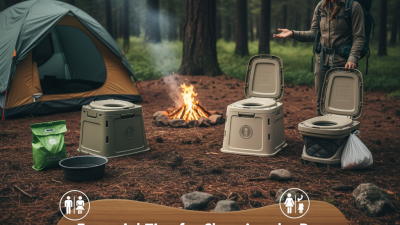
A clean mobile toilet makes outdoor travel safer and far less stressful. After each trip, empty the waste container only at an approved dump station or designated sanitation facility. Local rules differ, so check campsite instructions before leaving home. Never pour waste into streams, soil, storm drains, or ordinary public bins.

Wear disposable gloves and keep the toilet away from food, tents, and cooking equipment. Rinse the container with clean water, then wash it with mild detergent and a suitable disinfectant. Follow the product label carefully. Never mix bleach with ammonia-based cleaners. A soft brush reaches the rim, hinge, and seal without damaging plastic. Dry every part fully. Damp storage causes unpleasant odors and may weaken rubber seals.

Use the recommended waste-treatment fluid and the correct amount. Too much chemical does not always improve odor control. I learned that after a hot weekend in a closed vehicle. It created a stronger smell, not a cleaner toilet. Store the unit upright in a cool, shaded, ventilated place. Keep the lid slightly open only when the container is empty and dry. Otherwise, secure it tightly to prevent leaks and insects. Inspect the valve, cap, and seals before every trip. Replace damaged parts promptly. During disposal, transport sealed waste containers in a leak-resistant bag or box. Clean your gloves and hands afterward, even when the container appears spotless.