Leave Your Message

Top 10 Container Home Small Ideas for Modern Living Solutions?

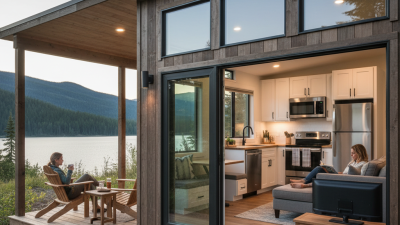
As urban living becomes more challenging, the demand for innovative housing solutions rises. The "Container Home Small" concept emerges as a viable option. These homes, built from repurposed shipping containers, offer a unique blend of function and aesthetics. They are sustainable, cost-effective, and adaptable to various environments.

Creating a container home involves thoughtful planning and design. Each choice impacts the overall feel and functionality of the space. While many designs showcase sleek, modern lines, some may feel too industrial and lacking in warmth. It's essential to balance style with comfort. Flexibility is key; small spaces can quickly become cluttered if not managed carefully.

Consider the surrounding environment when designing your container home. The placement, orientation, and materials can enhance both comfort and energy efficiency. Even small tweaks can make a significant difference. Potential pitfalls include overlooking insulation needs or neglecting natural lighting. Addressing these challenges can lead to a more harmonious living space. Ultimately, a well-designed "Container Home Small" provides a unique living experience that reflects personal values and lifestyle choices.
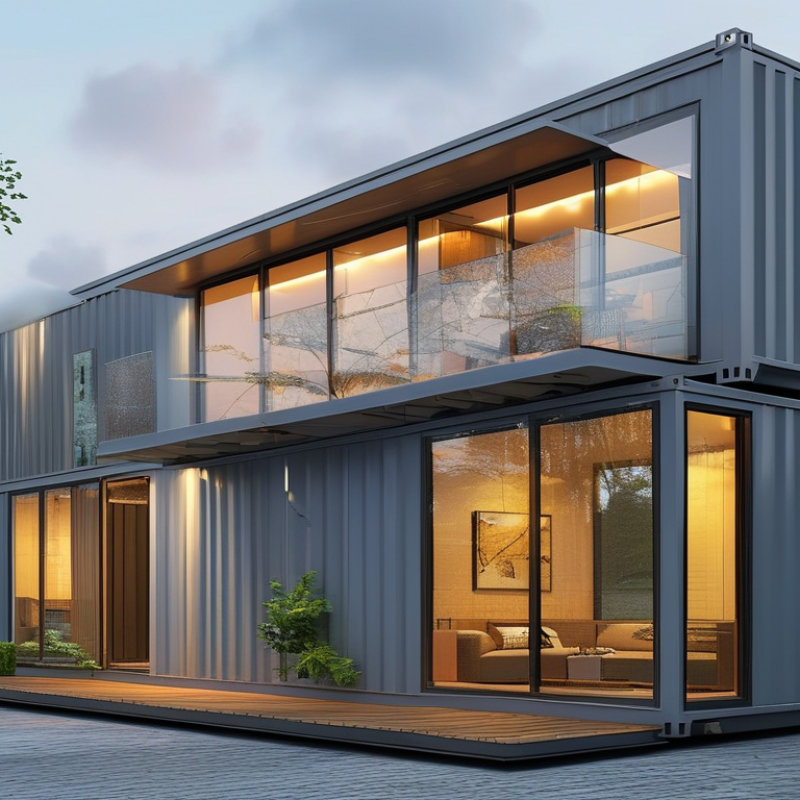
Top 10 Container Home Small Ideas for Modern Living Solutions?

Unique Container Home Designs for Space Optimization

Container homes are gaining popularity due to their innovative designs and space optimization. Using repurposed shipping containers, these homes offer unique solutions for modern living. According to a report by the World Economic Forum, the global housing crisis has intensified, leading many to explore alternative housing solutions. Container homes can be an excellent choice for efficient living.

With an average size of just 320 square feet, container homes can be skillfully integrated into various environments. Designers often create multi-functional spaces. One common feature is the inclusion of modular furniture. This approach maximizes limited space while providing comfort and functionality. Industry experts note that homes designed with flexibility in mind can significantly enhance livability.

However, it's essential to consider the limitations of container homes. Insulation is a critical issue. The metal structure can trap heat, raising energy costs. Some homeowners find that additional cooling systems are necessary. Moreover, local zoning laws can pose challenges. Navigating these regulations can be daunting for potential builders. Being aware of these aspects is crucial for informed decision-making.
Sustainable Features in Container Homes for Eco-Friendly Living

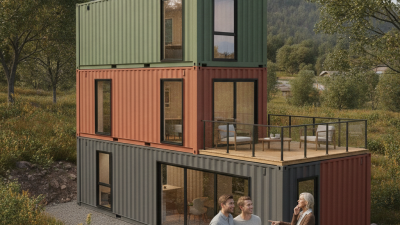
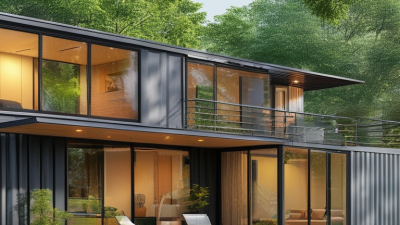
Container homes have emerged as a sustainable alternative for modern living. They provide eco-friendly solutions while utilizing repurposed materials. According to a 2022 report from the Global Sustainable Housing Council, container homes can reduce construction waste by up to 40%. This statistic highlights their potential for environmental preservation.

One of the key sustainable features of container homes is their energy efficiency. Many designs incorporate solar panels, which can supply up to 80% of energy needs. Additionally, these homes often use high-quality insulation materials, minimizing heating and cooling demands. However, it’s essential to consider local climates when implementing these strategies. Some areas require more adaptation to achieve optimal energy performance.

Rainwater harvesting is another characteristic that contributes to eco-friendliness. Collecting rainwater in these homes can fulfill many household needs. However, proper filtration systems are necessary to ensure water quality. This process is not without its challenges. Homeowners must regularly maintain these systems. Engaging with local environmental regulations can also lead to hurdles. Ultimately, container homes offer unique sustainable benefits, but they demand careful planning and execution.

Essential Considerations When Choosing a Container Home

When selecting a container home, several critical factors come into play. First, consider the location. A 2021 report by the Container Housing Industry Association highlighted that local climate significantly influences design choices. In colder areas, proper insulation becomes essential to maintain warmth. Conversely, regions with high humidity demand effective drainage systems.

Another layer of complexity lies in regulations. Local zoning laws can impact your design and construction options. According to recent studies, 30% of container home projects face delays due to bureaucratic challenges. Understanding these legal requirements upfront can save time and money.

Budgeting is also crucial. Container homes can vary greatly in cost. A study by the National Association of Home Builders indicated that costs can range from $10,000 to $100,000, depending on amenities and customization. It’s vital to create a realistic budget early on. This helps in avoiding unnecessary financial stress later. Ultimately, reflecting on these practical considerations can guide you toward a successful container living project.

Top 10 Container Home Small Ideas for Modern Living Solutions

Interior Layout Ideas for Functional Container Living Spaces

Container homes are gaining popularity for modern living. They offer unique designs and sustainable options. When planning the interior layout, functionality is key. A well-thought-out design can maximize space while providing comfort.

Start by considering an open floor plan. This design allows natural light to flood the room. Position windows strategically to enhance this effect. Use multifunctional furniture to save space. For instance, a sofa bed can serve as a sitting area during the day and convert to a cozy bed at night. It’s essential to keep pathways clear to ensure ease of movement.

Storage can be a challenge in container homes. Innovative solutions are necessary. Consider installing shelves that reach the ceiling. This opens up floor space while providing ample storage. Also, use hidden compartments in furniture. These can store items without cluttering the space. Reflect on your priorities when designing. Ensure your layout meets your lifestyle needs, even if it means sacrificing some aesthetics.

Top 10 Container Home Small Ideas for Modern Living Solutions

Idea Description Size (sq ft) Features
Compact Studio An efficient one-room living space with a kitchenette. 200 Foldable furniture, large windows
Dual Container Home Two containers joined together, with a shared living area. 400 Open-layout, integrated kitchen
Container with Rooftop Garden Includes a green space on the roof for gardening. 320 Sustainable features, outdoor living
Tiny Container Office Ideal for remote work, compact and functional. 150 Ergonomic design, high-speed internet
Modular Family Unit Multiple containers configured for family living. 600 Separate bedrooms, common area
Vacation Rentable Styled for short-term rentals with essential amenities. 250 Stylish decor, location-oriented
Artisan Studio Creative space designed for artists and craftsmen. 220 Natural light, workspace efficiency
Eco-Friendly Container Designed with sustainability in mind, using recycled materials. 350 Solar panels, rainwater collection
Luxury Container Residence High-end design with luxury fittings and finishes. 800 Modern appliances, spacious layout
Shipping Container Pool House Ideal for relaxing by the pool while housing amenities. 300 Bathroom, kitchenette, lounge area

Innovative Outdoor Spaces with Container Home Architecture

Container homes are revolutionizing modern living solutions, especially in outdoor spaces. These innovative structures often blend seamlessly into nature. They provide versatile living options, encouraging a unique outdoor lifestyle. Imagine a cozy container home surrounded by trees, with a wooden deck for relaxation. The simplicity of container architecture allows for creative designs that can adapt to any environment.

One striking feature of container homes is their ability to create multifunctional outdoor areas. A rooftop garden can serve as a relaxing retreat, while an attached patio may become a gathering spot. These spaces invite you to enjoy both tranquility and social interaction. However, designing these areas can be challenging. Choosing appropriate materials that withstand outdoor conditions is essential. Furthermore, ensuring enough natural light while maintaining privacy is often a delicate balance.

Despite their advantages, container homes are not without flaws. They may require considerable insulation to combat heat loss in winter. Additionally, zoning laws can complicate the building process. Each project is unique and may involve unexpected obstacles. Thoughtful planning and flexibility in design can mitigate these issues. Embracing the imperfections of container living often leads to innovative solutions.