What is the Best Type of Trailer Park Trailers to Buy?
When considering the ideal "Trailer Park Trailers" to purchase, many factors come into play. The right choice aligns with personal needs and budget. These trailers vary widely in style, size, and price, making the selection process daunting.
Experience shows that quality matters. A well-built trailer can last for years, while cheaper options may soon require repairs. Buyers often overlook resale value, which can impact long-term satisfaction. It’s crucial to research brands with a solid reputation in the trailer park community.
While aesthetics are important, don’t forget functionality. Some trailers offer more living space, while others excel in energy efficiency. Each option presents unique advantages and challenges. Personal reflection on lifestyle and usage ensures a more informed decision. The ideal trailer should not only fit your needs but also provide comfort and lasting value.
Types of Trailer Park Trailers: An Overview of Available Options
When it comes to selecting the best type of trailer park trailers, understanding the available options is crucial. There are various types of trailers designed for different needs. Travel trailers are popular for families or weekend warriors. They offer comfort and can be towed by most vehicles. However, they might not provide enough space for long-term living.
Another great option is the fifth-wheel trailer. These trailers attach to a pickup truck, giving you extra space and stability. They often come with slide-outs, creating a roomy interior. However, they can be challenging to maneuver and park, especially for beginners. For those seeking affordability, consider a pop-up trailer. They are lightweight and easy to store. Still, they might lack some amenities found in larger models.
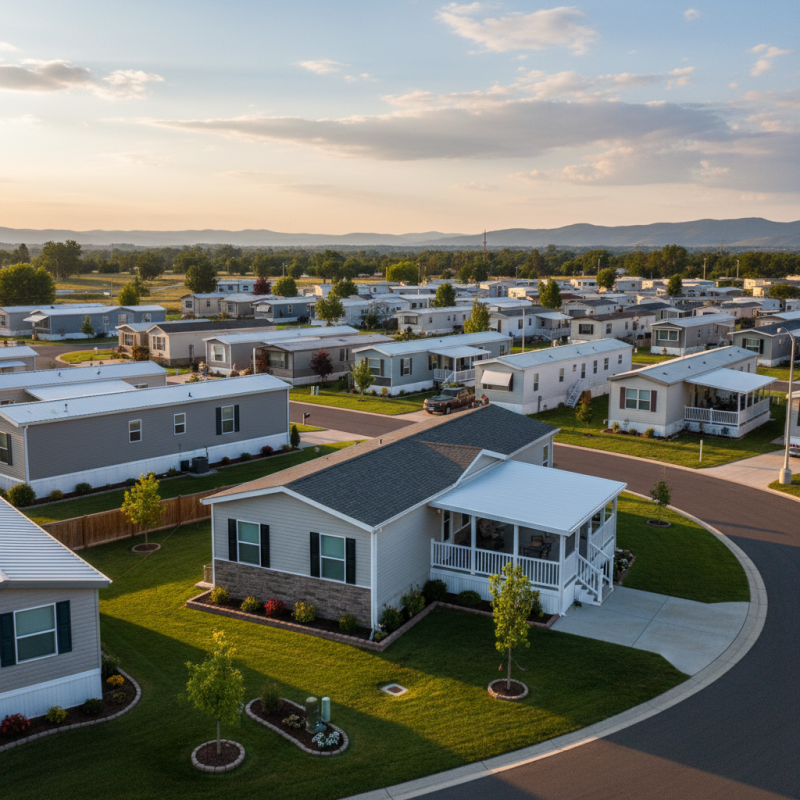
Manufactured homes present another viable option for permanent living in trailer parks. They come in various sizes and layouts. However, installation and transport can be more complicated compared to other trailers. While each type has its benefits and drawbacks, assessing your lifestyle and budget is vital. Make sure to weigh your choices carefully, as your decision can significantly impact your living experience.
Types of Trailer Park Trailers: An Overview of Available Options
Key Features to Consider When Selecting a Trailer Park Trailer
Choosing the right trailer for a trailer park involves careful consideration of several key features. Factors like size and layout are crucial. A compact but efficient design can maximize space for living and storage. Look for a layout that suits your lifestyle. For families, consider multiple bedrooms. For individuals or couples, a cozy studio might suffice.
Durability is another essential aspect. The materials used in construction should withstand various weather conditions. Look for trailers with solid frames and quality insulation. Additionally, check the quality of appliances. Reliable appliances can enhance your living experience and reduce maintenance costs.
Energy efficiency is worth exploring. Trailers with good insulation and energy-efficient windows can cut utility bills. It's also important to consider the community aspect. Some parks offer amenities like pools or social activities. These features can significantly impact your lifestyle. Reflect on your needs and preferences carefully when selecting a trailer, as each decision shapes your living experience in a trailer park.
Comparison of Single-Wide vs. Double-Wide Trailers in Parks
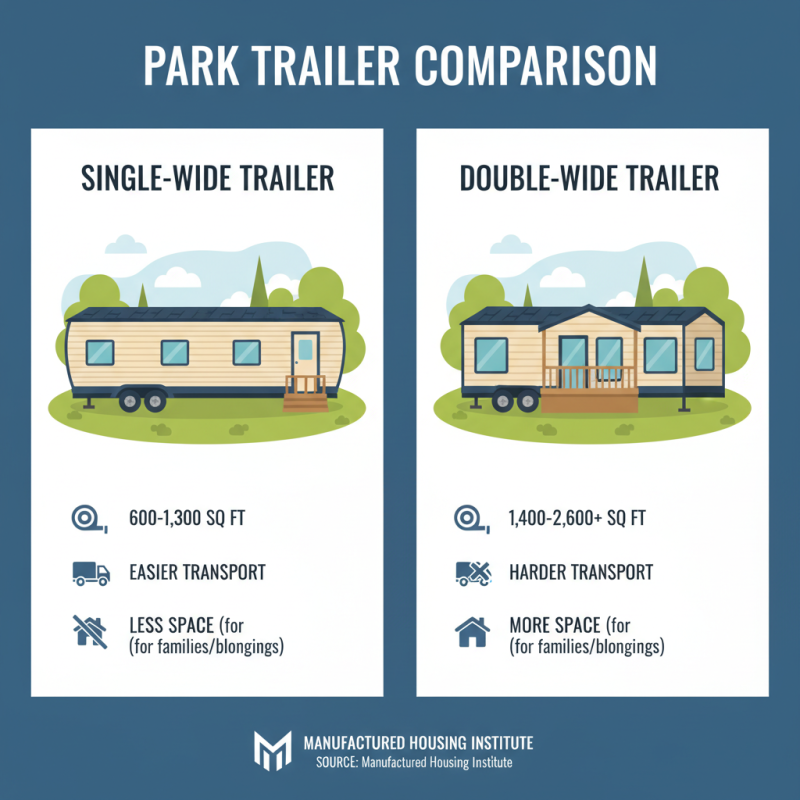
When considering trailers for park living, it's essential to evaluate single-wide and double-wide options. According to the Manufactured Housing Institute, single-wide trailers generally range from 600 to 1,300 square feet. They are easier to transport, which can be a major advantage if relocation is necessary. However, this smaller size can limit space for families or individuals with numerous belongings.
On the other hand, double-wide trailers typically span from 1,200 to 2,400 square feet. This design offers a more spacious interior, making it more suitable for larger families. A recent study indicates that many prospective buyers prefer the layout of double-wides. They often feature separate living areas, better kitchen configurations, and luxurious master suites. However, the challenges include higher costs, more complex transportation, and potential zoning restrictions.
Many buyers overlook installation requirements. Proper installation of double-wide trailers can be complex. Issues like foundation stability and compliance with local building codes must be addressed. These factors can impact long-term satisfaction. Balance factors like budget and space needs while considering these pros and cons. Choosing the right trailer ultimately hinges on lifestyle and plans for the future.
Understanding the Cost Factors of Trailer Park Trailers
When considering the cost factors of trailer park trailers, various elements come into play. The price of a trailer can fluctuate greatly based on size, brand, and condition. Industry reports indicate that a new single-wide trailer averages between $40,000 to $60,000, while double-wide options can range from $70,000 to over $100,000. These figures highlight the significant investment required, especially for those entering the market.
Additional costs also impact the overall expenditure. Many buyers overlook expenses such as site rent, utilities, and maintenance. According to the National Park Model Association, monthly site fees can range from $200 to $800, depending on location and amenities. Buyers must analyze these factors thoroughly. It’s not just about the initial price tag; ongoing expenses can add up quickly and dig into potential profits for investors.
Market trends show that used trailers can be a more affordable option, typically ranging from $10,000 to $30,000. However, buyers should be wary of hidden costs associated with repairs or upgrades. A lower purchase price might lead to unexpected financial burdens. Therefore, understanding the full scope of costs is crucial. Seek advice from professionals in the field to navigate this complex landscape effectively.
Maintenance and Longevity: Choosing Durable Trailers for Park Living
Choosing the right trailer for park living is crucial. The durability and maintenance of trailers significantly impact their longevity. Studies indicate that well-constructed homes can last 30 years or more. For park living, resistance to weather elements is vital. Steel and aluminum frames offer strength and protection against rot.
Maintenance frequency can vary. Some reports show that regular inspections can prevent major repairs. Issues like water leaks, particularly in older models, often go unnoticed. Regular checks can save thousands in repairs down the line. Not paying attention to detail in maintenance can lead to more significant issues than expected.
Cost factors also play a role. On average, a high-quality trailer can cost between $20,000 to $60,000. However, factoring in maintenance and repair needs is essential. A less expensive model might have hidden costs. It’s important to weigh initial costs against potential long-term maintenance needs. Making an informed decision can lead to a more sustainable living experience.