Top Tips for Buying Prebuilt Container Homes Today?
In today’s housing market, Prebuilt Container Homes are gaining traction as a viable option. Notably, industry expert Laura Jensen emphasizes, "The efficiency and sustainability of container homes can revolutionize modern living." This innovative approach transforms shipping containers into functional and stylish residences, appealing to diverse needs.
As people search for affordable housing solutions, Prebuilt Container Homes emerge as a practical alternative. They offer mobility, speed of construction, and reduced environmental impact. However, potential buyers should be aware of challenges. Not all containers are created equal, and quality can vary significantly.
Deciding among various designs, layouts, and finishes is crucial. Homebuyers often overlook the importance of local zoning laws. These regulations can affect where and how you place your container home. Understanding these nuances will help mitigate future complications. Ultimately, engaging in thorough research ensures your investment in Prebuilt Container Homes is well-informed and meaningful.
Understanding the Basics of Prebuilt Container Homes
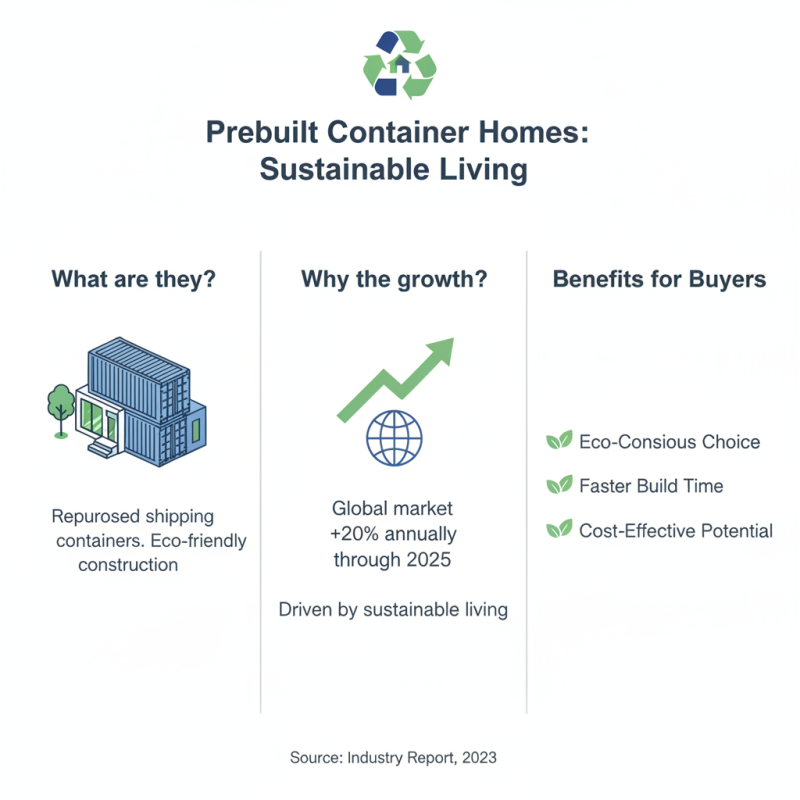
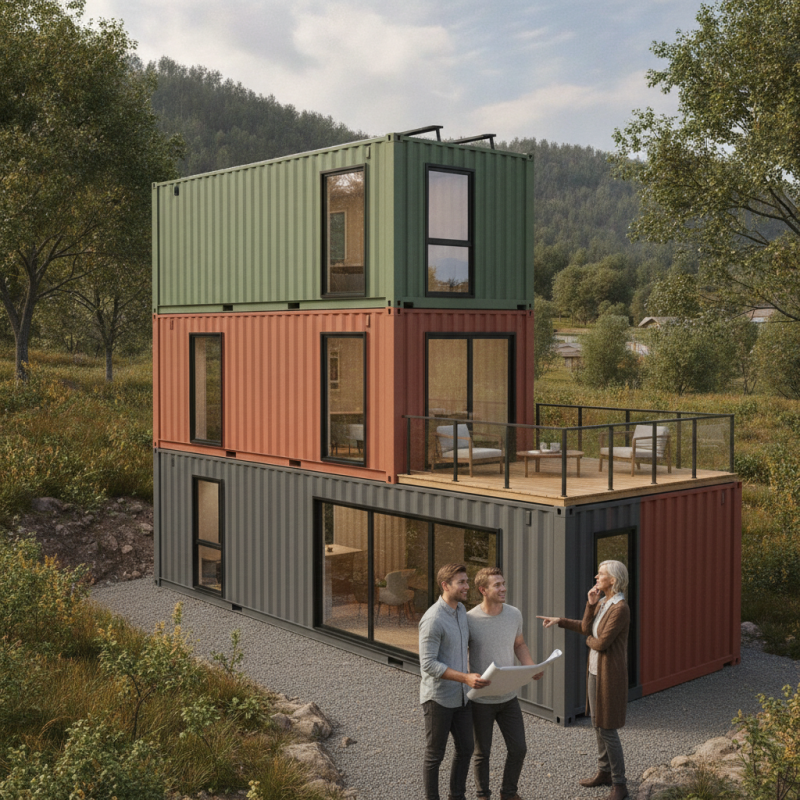
Prebuilt container homes are gaining popularity among eco-conscious buyers. These homes are constructed from repurposed shipping containers, making them an environmentally friendly option. According to a recent industry report, the global market for container homes is projected to grow by over 20% annually through 2025. This surge reflects the increasing interest in sustainable living.
Understanding the basics of prebuilt container homes is crucial. They come in various sizes and designs, offering versatility. Many buyers appreciate the affordability, with prices often 30% lower than traditional homes. However, there are challenges. Insulation and ventilation can be problematic if not addressed properly. Additionally, local building codes may impact home placement and permits required.
Choosing the right container home involves careful consideration. Look for reputable builders with experience in this niche. Ensure they follow industry standards for safety and design. Investing in quality materials can prevent issues down the line. Remember, while these homes can be cost-effective, the initial savings might lead to unforeseen expenses if not carefully planned.
Key Features to Look for in Container Homes
When searching for a prebuilt container home, several key features are essential to consider. Quality insulation is paramount. Studies reveal that about 30% of energy consumption in such homes can be attributed to poor insulation. So, opt for homes with high-quality insulation materials to ensure energy efficiency. Furthermore, look for homes equipped with double-glazed windows. These windows significantly enhance thermal performance.
Another significant aspect is structural integrity. Container homes must adhere to local building codes. Many areas require specific reinforcements to withstand extreme weather events. The International Code Council (ICC) has noted that homes built with cargo containers can be more durable than traditional structures if constructed correctly. Therefore, assessing the structural framework is crucial.
Ventilation systems deserve attention as well. A well-ventilated container home can prevent moisture buildup, which leads to mold issues. According to industry guidelines, neglecting ventilation can reduce lifespan and inhabitability. Inspecting features like cross-ventilation and HVAC systems can save long-term headaches. Each decision impacts comfort and sustainability. Being informed leads to a wise investment in a container home.
Key Features to Look for in Prebuilt Container Homes
Evaluating Cost Considerations and Budgeting
When considering a prebuilt container home, budgeting is crucial. Many factors influence costs, such as location, design, and materials. Establishing a clear budget is essential before making any decisions. Determine how much you can realistically afford, factoring in additional expenses like land and utilities.
Tip: Research local building codes. Some areas have strict regulations regarding container homes. Understanding these requirements can save money and prevent delays.
Another aspect to consider is financing options. Prebuilt container homes may not be eligible for traditional mortgages. Explore alternative financing methods like personal loans or specialized lenders. Make sure to read the fine print and know your obligations.
Tip: Be mindful of hidden costs. Transportation, site preparation, and installation can add up quickly. Always include these potential expenses in your budget. It's better to overestimate than to fall short financially.
Evaluate long-term costs as well. Maintenance and utility expenses can impact future budgets. Analyze the energy efficiency of the containers you consider. A cost-effective home now might lead to higher bills later. Stay informed about your choices for a balanced approach.
Assessing Location and Zoning Regulations for Installation
When considering prebuilt container homes, understanding zoning regulations becomes crucial. Local regulations vary significantly across regions. Research indicates that over 60% of container home buyers face zoning challenges. These hurdles can delay installation and increase costs, making it vital to assess local laws thoroughly.
Begin by checking residential zoning laws in your desired location. Some areas prohibit container homes altogether. Others require specific permits or additional inspections. According to a recent industry report, around 40% of buyers underestimated these regulations. Failing to do proper research can lead to substantial setbacks.
It's also essential to consider land use and building codes. Container homes may need to meet standards that traditional homes do not. For instance, the minimum square footage may differ, or energy efficiency ratings could apply. Additionally, the location may influence the home’s insurance rates. These factors contribute to long-term satisfaction. Ignoring them might result in local enforcement actions or costly modifications. Be proactive in your research to avoid complications down the line.
Tips for Finding Reputable Manufacturers and Suppliers
When searching for reputable manufacturers and suppliers of prebuilt container homes, start by researching their credentials. Look for companies with certifications from recognized construction and building organizations. A company’s experience is crucial. According to a recent industry report by Statista, the container home market expected to reach $73 billion by 2025, indicating significant growth potential. However, this does not guarantee the quality of every supplier.
Reviews and testimonials from previous customers can provide insights on reliability. Check platforms like Trustpilot or Google Reviews for feedback. Be cautious of businesses with overwhelming negative comments. A report from the Container Home Association highlights that unverified manufacturers may not meet safety standards, leading to serious construction issues.
Another important aspect is asking for project portfolios. This will show the variety and quality of their previous work. After all, not every supplier specializes in the same type of container homes. If a company seems evasive about sharing this information, consider it a red flag. Transparency is key in finding a trustworthy supplier. When making this significant investment, small oversights can result in larger problems later.
Top Tips for Buying Prebuilt Container Homes Today? - Tips for Finding Reputable Manufacturers and Suppliers
| Tip |
Description |
Considerations |
Expected Cost Range |
| Check for Certifications |
Ensure the manufacturer meets local building codes and standards. |
Regulations may vary by location. |
$1,000 - $5,000 |
| Read Customer Reviews |
Look for feedback on the quality and service from previous buyers. |
Focus on recent reviews. |
N/A |
| Ask About Custom Options |
Find out if you can customize the layout and design. |
Customization may increase costs. |
Varies widely |
| Inquire About Warranty |
Ensure there is a warranty for structural integrity and defects. |
A good warranty can save costs long term. |
N/A |
| Compare Prices |
Assess different suppliers to ensure competitive pricing. |
Don’t compromise quality for price. |
$10,000 - $50,000 |