What Are the Best Home Parks in China for Buyers?
Choosing the best Home Parks in China requires more than attractive photographs or low asking prices. The term itself is not fully standardized in Chinese property databases. It may describe manufactured-home communities, RV parks, leisure compounds, or long-stay residential sites. That distinction matters.
China’s National Bureau of Statistics reported that the urbanization rate reached 67.00% in 2024. This figure signals continuing demand for flexible housing and nearby leisure spaces. Yet urbanization alone cannot identify a reliable park. Buyers should examine land-use status, ownership structure, operating permits, infrastructure, and resale restrictions. The Ministry of Culture and Tourism’s national camping development guidance also emphasizes safety, public services, environmental management, and standardized operations. These factors are visible on site: paved access roads, working drainage, stable electricity, clean water, and clearly marked fire exits.
Sam Zell, a prominent manufactured-housing investor, called manufactured housing “the most misunderstood asset class in real estate.” His observation remains useful here. A low purchase price may hide weak maintenance, uncertain tenure, or limited buyer demand. A polished entrance may hide poor drainage after heavy rain. That is the uncomfortable part.
This guide will compare China’s leading Home Parks through location, legal clarity, facilities, management quality, and long-term usability. It will not treat every park as a conventional home purchase. Buyers should verify documents independently and inspect the property in different seasons. Rankings can help. They cannot replace due diligence.
What “Home Parks” Mean in China’s Residential Property Market
What Are the Best Home Parks in China for Buyers?
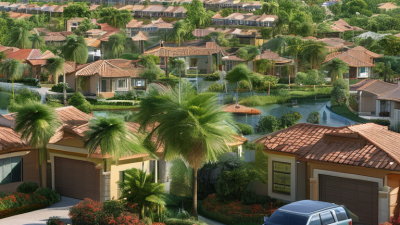
In China’s residential property market, “home park” is usually an informal marketing phrase. It often describes a housing community built around gardens, walking paths, trees, and shared facilities. It does not normally mean buying a public park or owning the landscaped land. Buyers should check the official planning documents, not only sales brochures.
From my experience reviewing residential projects, a pleasant green entrance can hide weak maintenance or poor drainage. A genuinely livable home park should provide shade, safe paths, usable seating, and practical access to shops and transport. The best choice also depends on the city, climate, daily commute, and family needs. A quiet garden is valuable. So is a reliable lift.
Tips: Ask who owns and maintains the shared green areas. Check management fees, repair records, waterlogging risks, and completed facilities. Visit after rain and during the evening. Speak with current residents, if possible. Confirm the property-use term and permitted facilities through official channels. Marketing language can be attractive, but it is not proof. I once valued visual design too highly; ongoing maintenance mattered more. That lesson is easy to overlook.
Key Criteria for Evaluating Home Parks for Buyers
The best home parks in China are not judged by gates, gardens, or impressive sales rooms alone. Buyers should examine daily living conditions, management quality, and long-term costs. Walk through the community at different times. Check traffic noise, elevator movement, sunlight, and drainage after rain. A clean lobby is useful evidence, but it is not enough.
Location should be measured by real travel time, not map distance. Test the route to work, hospitals, markets, and public transport during busy hours. Review construction permits, property ownership records, maintenance fees, and planned developments through official channels. Ask residents about repairs, water pressure, security response, and parking disputes. Their experience may reveal problems that brochures omit. Still, one resident’s opinion is not proof. I would compare several sources before deciding.
Tips:
Visit on a weekday evening and after heavy rain. Request recent management fee records. Inspect basement walls for damp marks. Check whether shared facilities are operating, not merely advertised. Bring a measuring tape for room sizes. Take notes, photographs, and questions. A second visit is wise, although buyers sometimes underestimate its value. Be careful with unusually low prices; savings can disappear through repairs, fees, or poor transport access.
China’s Leading Cities for Park-Based Residential Living
China’s leading cities for park-based residential living combine green space with strong transport, healthcare, and daily services. Beijing offers large urban parks, mature communities, and cultural attractions within practical reach. However, winter air quality and long commutes can affect everyday comfort. Buyers should inspect walking routes, not only measure distance on a map.
Shanghai provides riverside paths, neighborhood gardens, and reliable public transport. Homes near well-maintained parks often feel calmer, especially in dense districts. Yet premium locations can bring higher prices and heavier weekend crowds. Visit at different hours. Morning quiet can become evening noise.
Shenzhen suits buyers who value newer housing, coastal greenery, and efficient connections. Its warm climate supports outdoor living for much of the year, although humid summers require careful attention to ventilation and building maintenance. Hangzhou offers a slower rhythm, landscaped streets, and accessible lakeside spaces, while Chengdu is known for shaded parks and a relaxed community atmosphere. Local experience matters here: drainage, parking, management quality, and nearby construction can shape comfort more than a scenic view. Buyers should review property documents, compare service fees, and walk through the neighborhood after dark. A park can improve daily life, but it cannot solve every housing problem.
What Are the Best Home Parks in China for Buyers?
China’s leading cities for park-based residential living, ranked by reported urban green coverage rate.
Shenzhen and Beijing stand out for their high proportion of urban green coverage, while Guangzhou, Chengdu, Nanjing, Hangzhou, Shanghai and Wuhan also provide strong green-space environments for residential living. Figures represent reported urban green coverage rates and are intended as a city-level comparison rather than a property ranking.
How to Compare Prices, Amenities, and Long-Term Value
Comparing home parks in China requires more than reading the advertised price. Start with the total purchase cost, including taxes, parking, renovation, management fees, and maintenance charges. Calculate the price per square meter, then compare similar homes in the same district. A cheaper listing may hide weaker daylight, older plumbing, or a longer commute. Ask for recent transaction evidence, not only promotional figures. Numbers can still mislead.
Amenities deserve a practical test. Walk from the entrance to the nearest metro station, market, clinic, and school at different times. Count elevators, inspect shared gardens, and notice whether corridors smell damp after rain. Security, waste collection, visitor access, and winter heating affect daily comfort. A swimming pool may look valuable, but fees and limited hours can reduce its usefulness. Speak with residents when possible; sales staff cannot describe every inconvenience.
Long-term value depends on employment access, population stability, transport plans, and building condition. Check local planning documents through official channels. Confirm land-use terms and property rights with a qualified professional. Estimate resale demand using comparable homes, not optimistic forecasts. Rental income should account for vacancy, repairs, taxes, and management costs. I would keep a written comparison sheet, although I might initially overvalue attractive landscaping. That bias often appears only after several visits. A sound choice may look less impressive, but age well.
Legal Checks and Purchase Steps for Home Park Properties
China’s “home parks” can mean residential compounds near landscaped parks, not mobile-home communities. Buyers should define the property type before comparing locations. In 2024, China’s National Bureau of Statistics reported a 10.6% annual fall in real-estate development investment. Commercial housing sales area also declined 12.9%. These figures make legal verification more important than attractive gardens or low prices.
Ask the seller for the property certificate, land-use term, planning approval, construction completion records, and current mortgage status. Confirm each document with the local housing authority and natural resources bureau. Check whether the advertised home has residential use, valid ownership, and transferable land rights. Pre-sale buyers should verify the official pre-sale permit before paying any deposit. The purchase contract should state the unit area, delivery date, parking rights, repair obligations, taxes, and refund conditions. Do not rely on verbal promises. They are easy to forget.
Tips: Visit after rain. Look for drainage, leaks, unfinished roads, and blocked emergency access. Request recent management-fee records and inspect the owners’ meeting notices. A professional surveyor can compare the approved floor plan with the actual unit. The China Consumers Association has repeatedly warned buyers to read contract terms carefully and retain payment records. I would also allow extra time for registration; local processing can be slower than sales staff suggest. That small delay matters.