Leave Your Message
Home Parks are becoming a more varied investment category for global buyers. They include manufactured-home communities, RV parks, holiday parks, senior communities, and mixed-use residential parks. Each type has different residents, operating costs, planning rules, and income patterns. The details matter.
The Manufactured Housing Institute’s 2024 industry data estimates that more than 22 million Americans live in manufactured homes. Freddie Mac’s 2024 research also highlights persistent housing shortages and strong demand for attainable housing. These reports mainly cover the United States, not every market. That limitation deserves attention. Global buyers should not transfer American assumptions to Europe, Asia, or emerging markets.
Doug Ryan, director of affordable housing at The Pew Charitable Trusts, described manufactured housing as “the largest source of unsubsidized affordable housing in the United States.” His observation explains why some Home Parks attract steady occupancy, even when wider property markets weaken. Yet affordability does not guarantee performance. Insurance costs, infrastructure age, tenant turnover, utilities, and local approvals can quickly change returns. A quiet park may still need expensive water-line repairs. A popular holiday park may depend heavily on one short season.
This guide examines ten Home Parks types through a practical investment lens. It considers location, resident profiles, revenue models, maintenance demands, and exit potential. Readers should verify local data, ownership structures, and regulatory requirements independently. Some comparisons will remain imperfect. Markets are rarely tidy. That is exactly why disciplined research matters.
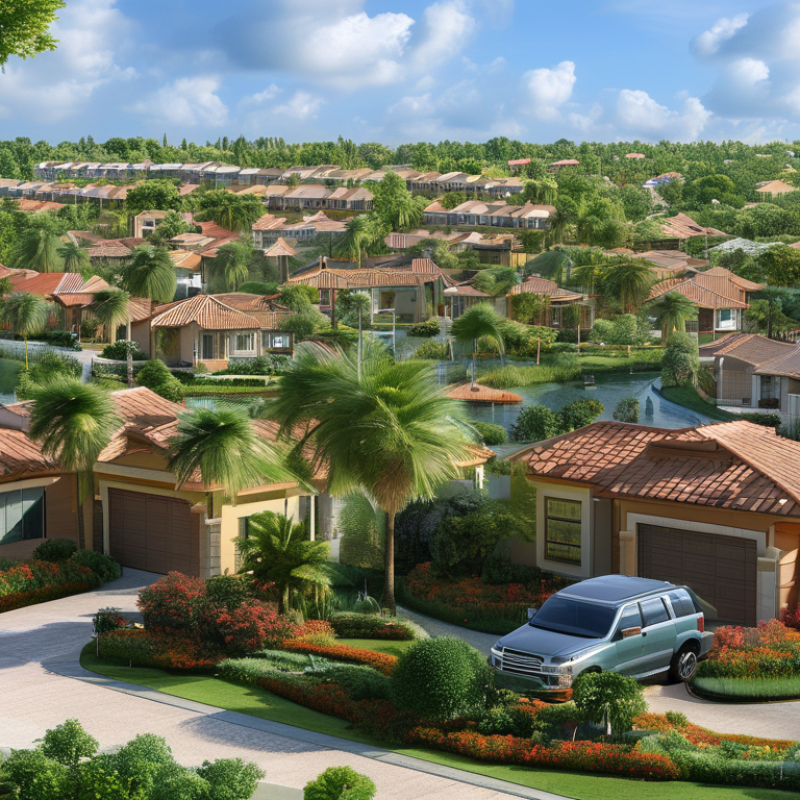
Top 10 Types of Home Parks for Global Buyers
Residential Home Parks by Ownership and Living Model
Home parks differ mainly by who owns the land and how residents live there. A leasehold home park lets buyers own their homes while renting a numbered plot. A privately owned rental park usually offers predictable services, but residents may have less influence over future changes. A resident-owned cooperative gives members shared control through voting rights and community rules. Ownership details matter more than attractive landscaping.
Living models create another clear divide. Family-oriented parks may include play areas, shared gardens, and school transport access. Age-restricted parks often provide quieter streets and accessible facilities. Retirement communities can offer planned activities, but service fees require careful review. Eco-focused parks may use solar power, rainwater collection, and low-impact building materials. Resort-style parks suit seasonal living, while permanent residential parks are designed for everyday routines. Mixed-use parks may combine homes, small shops, and communal workspaces.
A site visit should include the roads, drainage, waste systems, and emergency access. Ask who repairs roofs, maintains utilities, and controls annual charges. Local planning rules, residency limits, taxes, and resale conditions can differ sharply between countries. Do not rely only on sales brochures. I have seen buyers focus on the home and overlook the land agreement. That mistake can become expensive. Some communities look affordable until insurance, maintenance, and shared facilities are included. Review the contract with an independent local property professional before paying a deposit.
| No. | Home Park Type | Primary Ownership Model | Typical Home and Tenure | Common Living Environment | Typical Resident Profile | Main Advantages | Important Buyer Considerations |
|---|---|---|---|---|---|---|---|
| 1 |
Private Manufactured Home Community
Long-term residential |
A private operator owns or leases the land while residents own or rent the manufactured home and pay a site fee. | Factory-built manufactured homes on individually allocated plots; home ownership and land ownership are usually separate. | Planned residential neighborhoods with shared roads, utility networks, green areas, and community facilities. | First-time buyers, families, retirees, and households seeking lower-cost housing. | Lower land cost, established infrastructure, predictable community layout, and potential access to shared amenities. | Review site-fee increases, park rules, utility billing, resale restrictions, home installation standards, and local zoning. |
| 2 |
Resident-Owned Cooperative Park
Shared ownership |
Residents collectively own the land through a cooperative or similar legal entity and participate in governance. | Residents generally own their individual homes and hold a membership or share connected to the land. | Stable residential communities managed through elected boards, member voting, and shared operating responsibilities. | Residents who want long-term control, community participation, and greater protection from land-sale risk. | Collective decision-making, greater resident influence over budgets and rules, and stronger long-term community continuity. | Check cooperative bylaws, voting rights, reserve funds, debt obligations, transfer rules, and member responsibilities. |
| 3 |
Public or Social Housing Park
Affordable housing |
Land or homes are owned by a public authority, nonprofit housing provider, or regulated social-housing organization. | Residents normally rent a permanent home, although some jurisdictions offer shared-equity or affordable ownership options. | Purpose-built neighborhoods with regulated rents, communal spaces, and access to local public services. | Eligible low- and moderate-income households, older residents, families, and people requiring supported housing. | Below-market housing costs, stronger tenant protections in many jurisdictions, and access to community support services. | Eligibility rules, waiting lists, income reviews, residency requirements, and limits on subletting or resale may apply. |
| 4 |
Retirement or Age-Restricted Village
Later-life living |
Usually privately owned or operated; residents may purchase a home, lease a site, or hold a long-term occupancy agreement. | Compact homes, apartments, or manufactured dwellings; tenure varies by local law and development structure. | Accessible, low-maintenance settings with shared lounges, landscaped areas, recreation spaces, and sometimes care services. | Older adults seeking social connection, accessibility, simplified maintenance, and age-appropriate services. | Accessible design, organized activities, reduced exterior maintenance, and a community focused on later-life needs. | Age eligibility, service charges, healthcare availability, exit fees, resale conditions, and rules for guests or caregivers. |
| 5 |
Residential RV and Park-Home Community
Flexible mobility |
A landowner or operator manages pitches or sites; residents may own a recreational vehicle, park home, or similar movable dwelling. | Mobile or relocatable units placed on serviced plots under seasonal, annual, or long-term site agreements. | Often located near coastal areas, lakes, countryside, or transport routes, with shared access roads and utility hookups. | Mobile households, retirees, seasonal residents, and buyers wanting a smaller home with location flexibility. | Lower purchase scale, outdoor-oriented living, potential seasonal use, and relatively simple relocation compared with fixed housing. | Confirm whether permanent residence is permitted, along with winterization, utility capacity, insurance, access, and local planning rules. |
| 6 |
Holiday or Seasonal Mobile-Home Park
Leisure-focused |
An operator owns the site and leases pitches to owners of holiday cabins, caravans, or mobile homes. | Residents usually own the unit but occupy it under seasonal or restricted-use terms rather than as their main residence. | Resort-style locations near beaches, nature areas, entertainment facilities, or tourism destinations. | Holiday-home buyers, families, short-term visitors, and owners seeking a recreational base. | Access to leisure locations, shared recreational facilities, and a managed environment for periodic use. | Check opening seasons, occupancy limits, rental permissions, annual pitch charges, removal obligations, and resale policies. |
| 7 |
Co-Housing Community
Community-led |
Residents usually own or rent private homes while collectively managing shared buildings, facilities, and community decisions. | Private apartments or houses combined with common kitchens, gardens, workshops, guest rooms, or meeting areas. | Walkable, pedestrian-friendly layouts designed to encourage regular interaction while preserving private living space. | Households seeking social connection, shared resources, mutual support, and participatory community life. | Shared facilities can reduce duplication of resources and support social resilience, childcare cooperation, or collective activities. | Assess governance requirements, mandatory participation, service charges, resale rules, privacy expectations, and community compatibility. |
| 8 |
Eco-Community or Sustainable Home Park
Low-impact living |
Ownership may be private, cooperative, community-land based, or nonprofit, depending on the legal structure. | Energy-efficient modular, manufactured, tiny, or conventionally built homes on individually owned or leased plots. | Low-density settings with shared gardens, renewable-energy systems, water-saving infrastructure, or ecological landscaping. | Buyers prioritizing lower environmental impact, resource efficiency, local food production, and nature-oriented living. | Potentially lower energy demand, shared sustainability infrastructure, outdoor space, and strong environmental identity. | Verify planning permissions, building standards, water and wastewater systems, renewable-energy maintenance, and long-term funding. |
| 9 |
Land-Lease Home Park
Separation of home and land |
A landowner retains ownership of the site while residents purchase or rent homes and sign ground or site leases. | Fixed or manufactured homes are placed on leased plots; lease length and renewal rights differ by jurisdiction. | Residential developments with private plots, shared infrastructure, and professionally managed common areas. | Buyers who want home ownership without purchasing the full cost of the underlying land. | Lower initial capital requirement, defined site services, and access to a managed residential setting. | Examine lease duration, renewal terms, indexed charges, land-use restrictions, financing availability, and relocation provisions. |
| 10 |
Mixed-Use Modular Housing Park
Urban and adaptable |
May be owned by a private developer, housing association, public body, cooperative, or a combination of these parties. | Modular apartments, compact homes, or relocatable units offered for rent, shared ownership, or private purchase. | Urban or edge-of-city sites combining homes with shared workspaces, retail, childcare, mobility services, or public amenities. | Urban professionals, key workers, small households, students, and residents seeking flexible, connected housing. | Efficient construction, adaptable layouts, proximity to services, and potential integration of residential and community uses. | Review permanence of planning approval, building certification, noise and privacy conditions, transport access, and management charges. |
Note: Legal definitions, ownership rights, planning permissions, taxes, financing options, and residency rules vary by country and municipality. Buyers should verify the local land title, occupancy status, infrastructure obligations, and applicable housing regulations before purchasing.