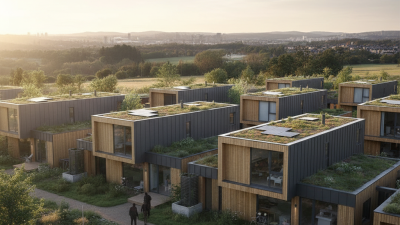
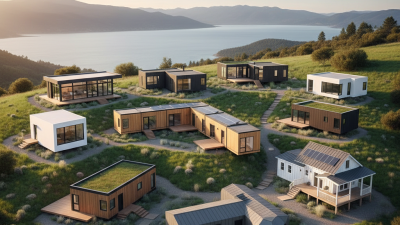
Top Modular Home Designs for 2026 What to Consider?
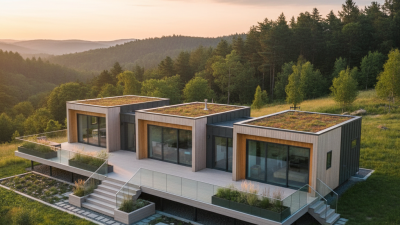
As we look toward 2026, the realm of Modular Home Designs continues to evolve. Experts, like architect Sarah Johnson, emphasize the importance of innovation in this field. She notes, “The future of modular homes lies in sustainable materials and smart designs.” This reflects a growing trend amongst homeowners seeking efficiency and modern aesthetics.
Today’s modular homes blend functionality with style. Characteristics such as open floor plans and energy-efficient features are becoming essential. With a focus on customization, buyers can create spaces that reflect their personalities. However, load-bearing walls and layout restrictions are considerations not to overlook.
The industry is still learning from past designs. While customization is appealing, managing costs without sacrificing quality poses a challenge. Quality should never be compromised in modular home designs. In a world focused on turning dreams into reality, it's essential to balance vision with practicality.
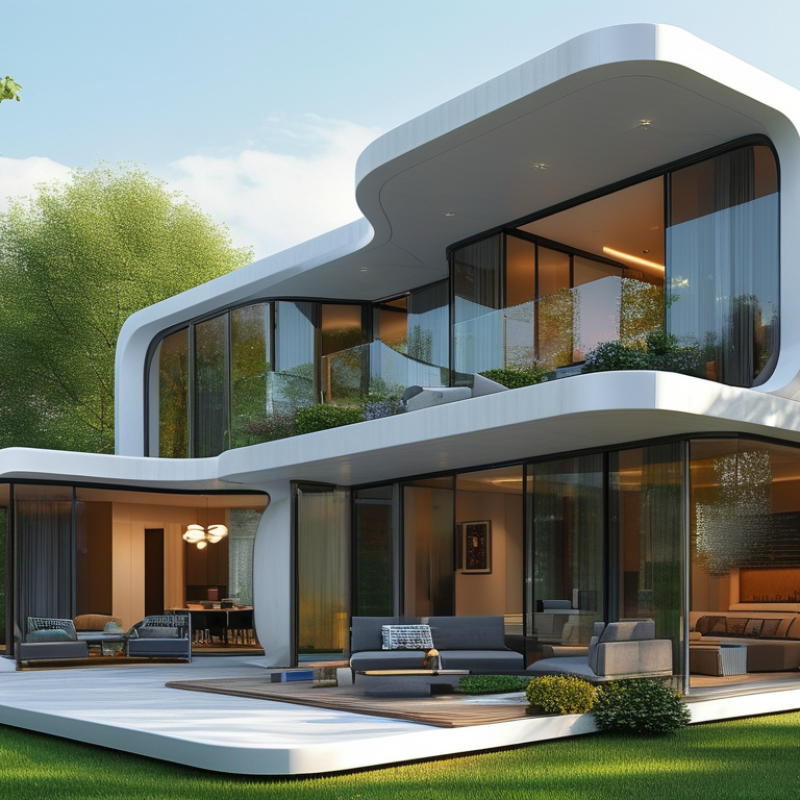
Top Trends in Modular Home Designs for 2026
The modular home industry is evolving rapidly. In 2026, several key trends are emerging that potential homeowners should consider. Design flexibility is at the forefront. Many people prefer customizable layouts that fit their lifestyle. Open floor plans are popular, creating spacious and inviting atmospheres. This trend allows for a seamless blend of living, dining, and cooking areas.
Sustainability is another significant trend. More homeowners are prioritizing eco-friendly materials. Solar panels and energy-efficient appliances are becoming standard features. These elements not only reduce utility costs but also contribute to a smaller carbon footprint. While the upfront costs may be higher, the long-term benefits are undeniable.
Technology integration is crucial as well. Smart home features enhance convenience and security. These include automated lighting and advanced security systems that can be monitored via smartphones. However, balancing tech advancements with simplicity is essential. Overcomplicating home systems can lead to frustration and maintenance issues down the road. As you explore these trends, consider what aligns with your needs and values for a more mindful choice.
Top Modular Home Designs for 2026
The following bar chart showcases the projected popularity of various modular home design features for the year 2026. The data reflects a growing trend towards sustainability and efficiency in home building.
Key Factors to Consider When Choosing a Modular Home
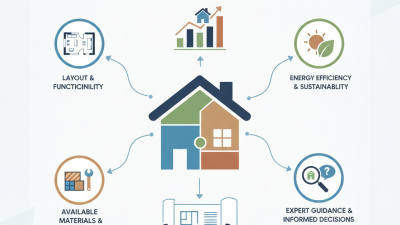
When choosing a modular home, several key factors come into play. The
design flexibility is significant. As the industry projects a 15% increase
in modular home popularity by 2026, homebuyers seek customizable options. Materials also matter. Opting for
sustainable materials can lead to long-term savings and reduced environmental impact. According to a
recent study, homes built with eco-friendly materials can save up to 30%
on energy costs.
Budget is another critical consideration. On average,
modular homes can be 10-20% more affordable than traditional homes. This cost-effectiveness
is appealing, but it is vital to account for hidden expenses such as land preparation and permits. Many
buyers overlook these costs, leading to financial strain.
Tip:
Always set aside a contingency budget to cover
unexpected expenses during construction.
Location can greatly influence the choice of a modular home. Access to amenities and proximity to major
roads can enhance your living experience. However, homes in popular areas often come with a premium price
tag. Balancing location with affordability is challenging but crucial.
Tip:
Research local zoning laws to ensure your chosen design fits
legal requirements.
Sustainability and Eco-Friendly Features in Modular Homes
The rise of modular homes emphasizes sustainability and eco-friendly features. In 2026, this trend will continue to shape designs. Eco-conscious homeowners seek ways to reduce their carbon footprint. Incorporating renewable materials in construction is a key consideration. Wood, bamboo, and recycled steel are not just trendy. They offer durability and lower environmental impact.
Tips for enhancing sustainability: Choose energy-efficient appliances. Invest in solar panels to reduce energy costs. Opt for proper insulation to maintain temperature control. Simple changes can make a big difference.
Water efficiency is another aspect to ponder. Low-flow faucets and rainwater harvesting systems help conserve resources. Designing with nature improves harmony between homes and ecosystems. It makes modular homes more appealing. While striving for sustainability, don’t overlook local regulations. Compliance ensures your home meets safety and environmental standards. Remember, eco-friendly doesn't mean compromising design.
Customization Options for Modular Homes: What to Look For
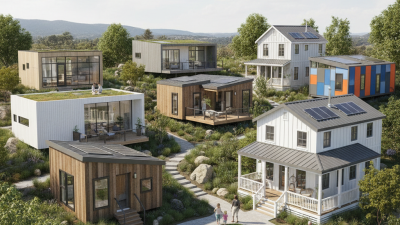
When considering customization options for modular homes, it's essential to evaluate your lifestyle needs. Factors like family size, future expansions, and personal aesthetics play vital roles. Many homeowners desire open floor plans, while others prefer compartmentalized spaces. This initial decision shapes the customization journey drastically.
Materials and finishes are another important aspect. Modern modular homes offer a range of options, from eco-friendly materials to luxurious finishes. However, the environmental impact of your choices can be significant. It’s worthwhile to ponder sustainable resources versus the allure of trendy styles. Balancing aesthetics with sustainability creates challenges worth facing.
Additionally, consider smart home technologies. Integrating tech features can enhance living experiences but may also complicate installations. Many buyers overlook the importance of future-proofing their homes. An adaptable design allows for changes as technology evolves. Reflecting on these details ensures that your modular home is not only beautiful but also functional and sustainable for years to come.
Top Modular Home Designs for 2026: What to Consider? - Customization Options for Modular Homes: What to Look For
| Design Style |
Size (sq ft) |
Customization Options |
Price Range ($) |
Energy Efficiency |
| Modern Contemporary |
1200 |
Open floor plan, large windows, eco-friendly materials |
150,000 - 180,000 |
High |
| Rustic Cabin |
900 |
Wood finishes, stone accents, skylights |
100,000 - 130,000 |
Moderate |
| Minimalist Design |
800 |
Sparse decor, functional spaces, smart technology integration |
90,000 - 120,000 |
High |
| Traditional Family Home |
1500 |
Custom layouts, multiple bedrooms, front porch options |
180,000 - 220,000 |
Moderate |
| Eco-friendly Home |
1100 |
Solar panels, rainwater collection, sustainable materials |
160,000 - 200,000 |
Very High |
Technological Innovations in Modular Home Construction and Design
Modular home construction is experiencing significant technological innovations. New methods enhance efficiency in design and build processes. For instance, 3D printing technology is transforming how homes are constructed. This method allows for complex and customizable designs. Builders can create unique features quickly, reducing time on site.
Sustainable materials are becoming a standard in modular homes. Recycled and eco-friendly components reduce the environmental footprint. However, there are challenges in sourcing these materials consistently. Not all suppliers can guarantee quality. Homebuyers must remain aware of this inconsistency. Smart home technology is another element to consider. Automation systems enhance comfort and energy efficiency. Integrating these systems can be complex, requiring careful planning.
These innovations present exciting opportunities but also challenges. Understanding the limitations of technology is crucial. Not every design can utilize the latest tools effectively. Homeowners should weigh the benefits against potential pitfalls. The balance between innovation and practicality will shape the modular homes of 2026.