Leave Your Message

Top Mobile Toilet Trailer Manufacturers Worldwide?

Choosing a Mobile Toilet Trailer manufacturer is less about finding the loudest brand than matching equipment to real operating needs. A festival site, roadside project, or remote work camp may need different layouts, capacities, and service access. Look closely at tank capacity, fresh-water systems, ventilation, step height, insulation, and cleaning access. Small details matter. A door that swings poorly or a cramped service hatch can complicate daily use, even when the trailer looks impressive.

This guide introduces manufacturers worldwide and explains what buyers can compare before requesting a quotation. Rather than naming one brand as universally best, it considers product range, customization, construction materials, after-sales support, and available quality information. Check specifications against current product documents and confirm them directly with each supplier. Availability, delivery times, and service coverage can vary by market. That is easy to overlook. Ask for clear drawings, warranty terms, maintenance guidance, and examples of similar installations. A brochure alone is not proof. Some manufacturers provide more technical detail than others, so comparisons may not be perfectly even. Careful questions can still reveal important differences. The aim is practical: identify credible options, spot gaps early, and match a Mobile Toilet Trailer to its users, site conditions, and upkeep plan.
Top Mobile Toilet Trailer Manufacturers Worldwide?

What Mobile Toilet Trailers Are and How They Work

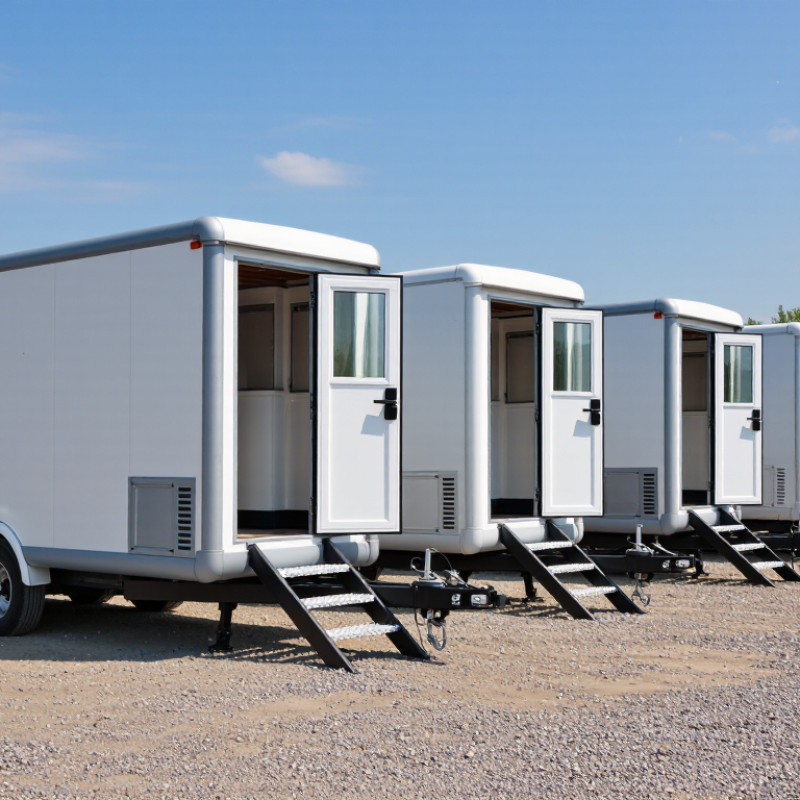
A mobile toilet trailer is a towable unit that brings toilet facilities to places without permanent washrooms. Inside, users may find flush toilets, handwashing sinks, lighting, and separate stalls. The trailer sits on a wheeled chassis and is parked on firm, reasonably level ground. Some models connect to external water and power; others carry supplies onboard. Layouts and capacities vary.

The system is straightforward. A water tank or hose supplies the sinks and toilets, while used water and waste flow into holding tanks or approved site connections. Pumps move water through the fixtures, and vents help control odors. Batteries or a generator may power lights and pumps when mains electricity is unavailable. Simple, but not effortless. Operators need to check tank levels, refill clean water, and clean high-touch surfaces regularly.

In practice, setup matters as much as the fixtures. The towing vehicle must suit the trailer, and doors need clear access for guests and service crews. On uneven ground, steps can feel awkward, even when the unit is stable. Waste capacity also limits how long a trailer can serve a busy event before servicing. These details are easy to underestimate. A clear maintenance schedule and a site walk-through help prevent avoidable disruptions.


Key Features That Distinguish Mobile Toilet Trailer Manufacturers

A capable mobile toilet trailer manufacturer pays close attention to how the unit works during a busy day, not just how it looks in a brochure. Check the floor plan, fixture count, fresh-water capacity, and waste-tank access. These details affect queues, cleaning time, and where the trailer can operate. Ask for clear specifications rather than relying on broad claims.

Small details matter. Non-slip flooring, sealed wall joints, and sturdy door hardware can make frequent cleaning easier. Good ventilation should reduce lingering odors without creating uncomfortable drafts. Accessible layouts also need enough turning space and practical handrail placement. These features are easier to assess in drawings or a finished-unit inspection than in product photos.

Serviceability separates thoughtful designs from difficult ones. Ask how pumps, plumbing connections, lights, and water lines can be reached for routine maintenance. Request information on materials, quality checks, and expected upkeep. A manufacturer should explain trade-offs plainly, including limits on capacity or operating time.

No single layout suits every event or site.

I would still check measurements against the actual parking area; that step is easy to overlook. A polished finish helps, but dependable operation matters more.

Leading Mobile Toilet Trailer Manufacturers Around the World

Leading mobile toilet trailer manufacturers around the world combine vehicle engineering with practical sanitation design. Their work often includes insulated cabins, non-slip flooring, handwashing stations, water tanks, ventilation, and easy-to-clean surfaces. A well-built trailer should feel stable when parked, even on uneven ground. Door latches and steps matter more than glossy finishes.

Manufacturers differ by region and production scale. Some focus on compact units for outdoor events, while others build multi-stall trailers for construction sites or long-term projects. Buyers can compare tank capacity, plumbing access, power requirements, weather protection, and the availability of replacement parts. Ask how the unit performs during repeated daily use, not just how it looks in a showroom. Small details count.

Reliable suppliers can explain materials, maintenance intervals, and layout options without making vague promises. Request drawings and clear specifications before ordering. If possible, inspect a finished trailer and test the doors, taps, lighting, and ventilation. There is no perfect layout. A spacious interior may require more towing capacity, and larger tanks add weight. That trade-off deserves honest discussion.

How to Compare Manufacturers by Quality, Capacity, and Service

Comparing mobile toilet trailer manufacturers worldwide starts with the details behind the specifications. Ask what materials are used for floors, walls, tanks, and plumbing. Request clear photos of hinges, seals, handrails, and service access panels. These parts face frequent use and weather exposure. A polished brochure helps, but it is not proof of build quality. Ask for inspection records or references from operators with similar needs.

Capacity should match real site conditions, not just the largest number on a product sheet. Check the number of stalls, expected users per hour, tank volume, and refill or pump-out intervals. A crowded event may need separate accessible facilities and clear circulation space. Confirm trailer dimensions, towing requirements, setup time, and the utilities needed. Small oversights matter. I would also check how capacity changes when water use is limited.

Tips: Request a written service plan before comparing prices. Ask about spare parts, response times, training, and warranty exclusions. Get the service commitments in writing. Compare the same configuration across quotes, including delivery and installation. If answers stay vague, pause and ask for specifics.

Common Uses of Mobile Toilet Trailers Across Industries

Mobile toilet trailers serve construction sites, outdoor festivals, film sets, agricultural operations, and temporary emergency facilities. On construction projects, they can move as work zones shift and provide handwashing near crews. The U.S. Bureau of Labor Statistics reported about 8.0 million construction jobs in 2023, illustrating the scale of a sector where reliable on-site sanitation matters. A trailer’s value depends on more than fixture count. Access roads, service intervals, water supply, and placement all affect whether it works well during a busy shift.

At festivals and outdoor recreation sites, separate units can support guests, staff, and accessible facilities. The Bureau of Economic Analysis reported that outdoor recreation contributed $1.1 trillion to U.S. GDP in 2022, showing the breadth of activity that may take place beyond permanent venues. Mobile units also help film crews and remote farms operate where fixed restrooms are unavailable. During temporary emergency response, they can be deployed as services are restored. But delivery alone is not enough. A poorly placed trailer can create long queues or block site traffic. Operators should plan servicing around actual use, not just the expected headcount. Estimates can be wrong. That deserves attention.

Top Mobile Toilet Trailer Manufacturers Worldwide? - Common Uses of Mobile Toilet Trailers Across Industries

Industry or Setting Common Use Typical Trailer Features Planning Considerations
Construction and infrastructure Providing sanitation for workers at construction sites, roadworks, and utility projects. Durable, easy-to-clean interiors; multiple toilet stalls; handwashing facilities. Allow for site access, ground conditions, servicing frequency, and connection to water, power, and waste systems where available.
Outdoor events and festivals Supplementing permanent restrooms at concerts, fairs, sporting events, and community gatherings. Multiple stalls, sinks, lighting, ventilation, and separate or accessible facilities as needed. Estimate demand from attendance and event duration; plan placement, queues, cleaning, and waste servicing.
Emergency response and disaster relief Supporting temporary sanitation at evacuation centers, relief sites, and other response locations. Rapid-deployment layout, handwashing stations, lighting, and systems suited to available utilities. Confirm delivery access, water supply, waste removal arrangements, and operation during power or infrastructure outages.
Film and television production Providing on-location facilities for cast and crew where permanent restrooms are limited. Private stalls, interior lighting, ventilation, and layouts sized to the production’s requirements. Coordinate trailer placement with the production site, vehicle access, crew schedules, and servicing windows.
Agriculture and remote worksites Serving seasonal crews and workers at farms, harvest sites, and other locations without nearby facilities. Practical, robust fittings; handwashing provision; layouts that can be serviced regularly. Consider changing site locations, travel distance for servicing, weather exposure, and access to utilities.
Temporary public facilities Maintaining restroom access during renovations, relocations, or temporary closures of permanent facilities. Accessible options, clear wayfinding, handwashing facilities, and a layout appropriate for public use. Check local accessibility and sanitation requirements, safe pedestrian access, and the duration of temporary operation.
Sports and recreation Meeting restroom needs at tournaments, parks, races, and outdoor recreation sites. High-throughput layouts, sinks, lighting, and accessible facilities where required. Plan around peak arrival and break times, event layout, weather, and the availability of regular cleaning and servicing.

Trailer layouts and capacities vary. Select a configuration based on expected users, operating duration, accessibility needs, utility availability, and local sanitation requirements.