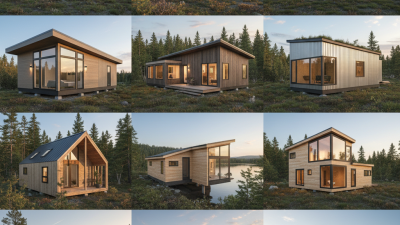
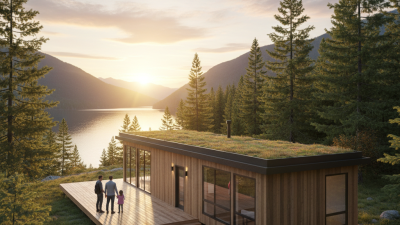
Top 10 Tips for Choosing Canadian Prefab Homes?
Choosing Canadian Prefab Homes can be both exciting and challenging. These homes offer unique benefits, such as affordability and energy efficiency. However, not all prefab options are created equal. It's crucial to know what to look for before making a decision.
Many buyers overlook important factors. The location, design, and materials can greatly impact the overall quality of your home. Each detail matters when selecting the perfect prefab option. Working with reputable manufacturers is vital. They should have a strong track record and positive reviews. This gives you confidence in your choice.
Understanding local regulations can be confusing, too. Zoning laws and building codes differ across provinces. Failing to comply can lead to issues down the road. Therefore, do thorough research. Seek advice from experts to avoid potential pitfalls. Remember, a well-informed decision leads to a successful investment in Canadian Prefab Homes.
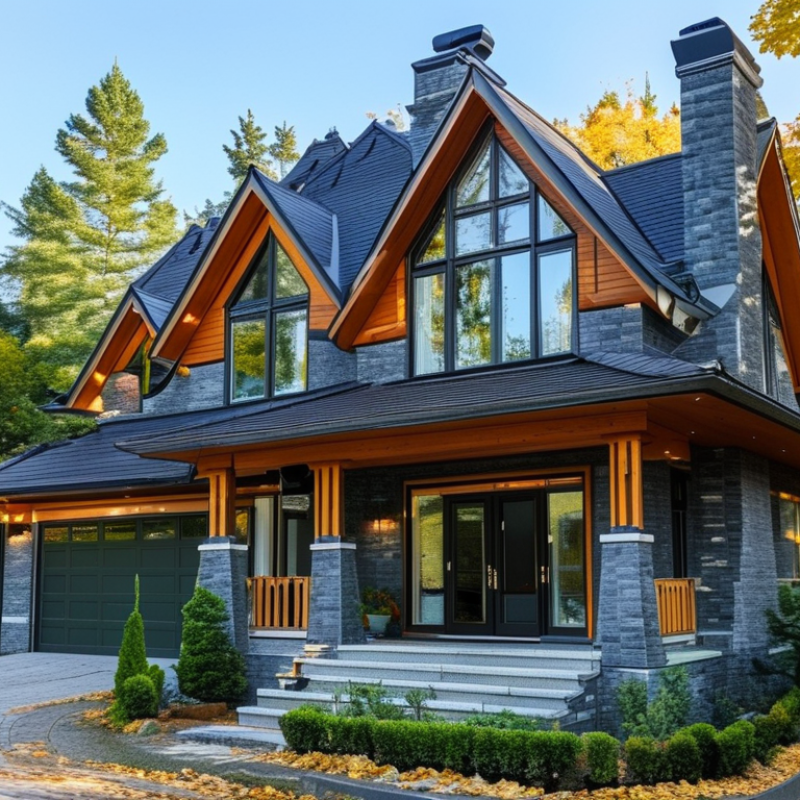
Understanding Canadian Prefab Homes: Key Features and Benefits
Understanding Canadian prefab homes is essential for anyone considering building a new property. These homes are designed with efficiency in mind. They often use high-quality materials that can withstand Canada's varied climate. One key feature is their speed of construction. Prefab homes can be erected in a fraction of the time compared to traditional builds.
When choosing a prefab home, consider energy efficiency. Many models include advanced insulation and energy-saving systems. Look for homes that meet or exceed Canadian energy codes. This can significantly reduce long-term operational costs. It's also wise to assess the customization options available. Some prefab homes can be tailored to your specific needs and preferences, allowing for a more personal touch.
Explore the reputation of manufacturers. Research reviews and feedback from past customers. This will help you gauge the quality and reliability of the company. Evaluate the long-term durability of materials used. While prefab homes are designed for efficiency, not all are created equal. Some may require more maintenance over time than others. Take the time to reflect on these aspects for better decision-making.
Evaluating Your Budget: Cost Considerations for Prefab Homes
When evaluating your budget for Canadian prefab homes, it’s crucial to consider various cost factors. According to the Canada Mortgage and Housing Corporation, the average cost of prefab homes can range from $100 to $200 per square foot. This estimate varies significantly based on location and design complexity. Custom designs or high-end finishes can elevate the price by over 30-50%.
Don’t overlook additional expenses such as transportation and site preparation. These costs can add an extra 15-25% to your budget. Installing utility connections and foundations may also lead to unanticipated expenses. Research indicates that buyers who underestimate these costs often face financial strain during construction.
Understanding financing options is equally vital. Many people rely on mortgages specifically for prefab homes. A report from the Canadian Home Builders' Association highlights that some lenders may view prefab homes as higher risk. This perception can impact your approval chances and down payment requirements, which might be higher than traditional homes. Buyers should prepare for potential fluctuations in costs and ensure they have a contingency fund.
Cost Considerations for Canadian Prefab Homes
Assessing Location: Site Selection for Canadian Prefab Houses
Choosing the right site for your Canadian prefab home is crucial. The location can significantly impact not just convenience but also long-term value. Research indicates that homes near amenities like schools and parks retain their value better. An analysis by the Canadian Real Estate Association states that homes in desirable neighborhoods sell for up to 20% more, emphasizing the importance of thoughtful site selection.
Accessibility is a key factor. Ensure that the location has good roads and public transport. Living far from urban centers may seem appealing, but it often leads to higher commuting costs. Close proximity to hospitals and shopping facilities can enhance daily living and add to the appeal when it's time to sell.
Consider the natural surroundings as well. Look for a site with positive aspects like views and natural light. Homes facing south can harness sunlight efficiently, enhancing energy efficiency. A poorly chosen site might lead to energy bills that drain your budget. It's also vital to check local zoning laws and restrictions. This could determine how you develop the land, which is often overlooked by many.
Choosing Materials: Sustainable Options for Prefab Home Construction
Sustainable materials are crucial in prefab home construction. Using eco-friendly options reduces environmental impact. Consider materials like recycled steel or bamboo. These choices are durable and sustainable. They require less energy to produce compared to traditional materials.
Another excellent option is reclaimed wood. It not only looks beautiful but also minimizes deforestation. However, ensure the wood is treated to prevent pests. While exploring these materials, consider their lifecycle. Some may require more maintenance than others.
Think about insulation too. Spray foam is effective but not always eco-friendly. Mineral wool is a better alternative. It’s non-toxic and provides excellent insulation. Keep in mind that not every sustainable option is the best for your specific needs. Always weigh the pros and cons before making a decision.
Working with Builders: Tips for Selecting a Reputable Prefab Manufacturer
When selecting a reputable prefab manufacturer in Canada, it’s crucial to consider their experience and track record. A recent survey by the Canadian Home Builders' Association highlighted that 70% of successful prefab projects relied on manufacturers with over a decade in the industry. This highlights the importance of their experience.
Visit multiple builders’ showrooms. This gives insight into the materials they use. A good manufacturer should offer a variety. Pay attention to the craftsmanship of the displayed homes. Look for quality finishes. Quality work often translates into better long-term value.
Assess reviews and testimonials thoroughly. Online platforms reveal customer experiences. Aim for manufacturers with consistently positive feedback. However, don’t overlook constructive criticism. Discerning potential issues can help avoid problems later. Ensure they are transparent about their process and pricing. Clear communication can indicate reliability.
Finally, verify their warranties and after-sales support. A solid warranty demonstrates confidence in their product. It reflects their commitment to customer satisfaction. Remember, choosing wisely can save you from headaches later on. Selecting a reputable prefab manufacturer is a vital step toward your dream home.
Top 10 Tips for Choosing Canadian Prefab Homes - Working with Builders: Tips for Selecting a Reputable Prefab Manufacturer
| Tip No. |
Tip Description |
Considerations |
Importance Level |
| 1 |
Research Local Building Codes |
Ensure compliance with local regulations |
High |
| 2 |
Evaluate Manufacturer Experience |
Look for years in business and completed projects |
High |
| 3 |
Request References |
Talk to past clients about their experiences |
Medium |
| 4 |
Inspect Model Homes |
Visit show homes to assess quality and design |
High |
| 5 |
Understand the Warranty |
Check what the warranty covers and its duration |
High |
| 6 |
Compare Pricing |
Get quotes from multiple manufacturers to find value |
Medium |
| 7 |
Check for Sustainability Options |
Assess energy efficiency and eco-friendly materials |
Medium |
| 8 |
Assess Customer Service |
Evaluate responsiveness and support during the process |
High |
| 9 |
Inquire About Customizations |
Understand what alterations or upgrades are possible |
Medium |
| 10 |
Review Timeline for Completion |
Ask for an estimated timeline for construction and delivery |
High |