What is a Park Model Mobile Home and How Does it Work?
Park Model Mobile Homes have gained popularity for their unique blend of comfort and mobility. According to industry expert John Smith, “These homes redefine what it means to live simply yet comfortably.” People are drawn to these homes for various reasons, including affordability and flexibility.
Park Model Mobile Homes offer a cozy living space, often ranging from 400 to 600 square feet. They are perfect for vacation spots or permanent residences. Many find themselves captivated by the charm and practical design of these homes. However, potential buyers should consider the zoning laws and location restrictions.
The appeal of Park Model Mobile Homes grows, yet some still question their long-term durability. Choosing the right model is crucial. It is a decision that requires thoughtful reflection on lifestyle and needs. Finding the right balance between comfort and practicality can be challenging but rewarding.
Understanding Park Model Mobile Homes: An Overview
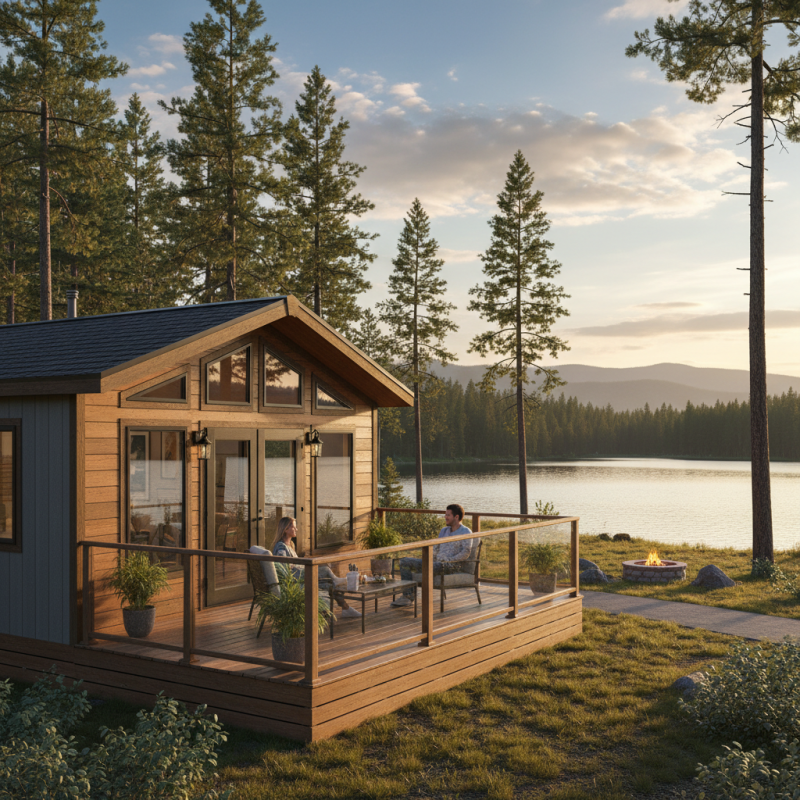
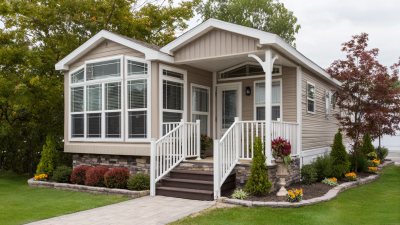
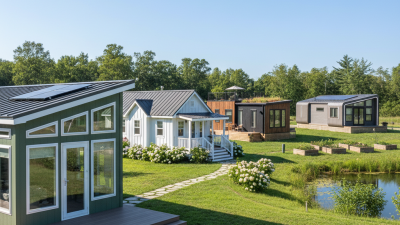
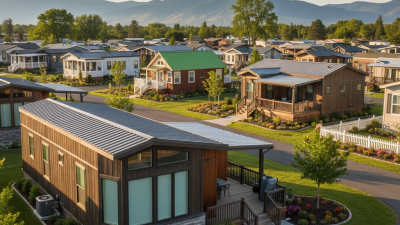
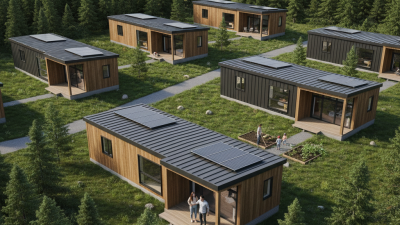
Park model mobile homes offer a unique living experience. They are designed for recreational use and can be found in places like campgrounds and resorts. These homes are typically smaller than traditional houses, usually measuring around 400 square feet. This compact size makes them easy to transport, but it also requires careful organization of space.
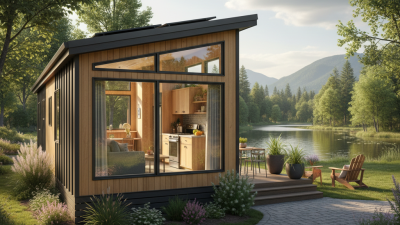
Inside, you will find a living area, kitchen, and bathroom, all designed to maximize functionality. Many park models include lofts or slide-out sections for added space. Decorate them according to personal taste, but remember that space is limited. Efficient storage solutions are essential. There can be challenges, such as adjusting to a smaller footprint or dealing with seasonal changes. Living in a park model can feel cozy but also cramped.
For those considering this lifestyle, it's essential to weigh the pros and cons. For example, while they provide an affordable way to enjoy nature, maintenance can be tricky. Relying on seasonal sites might lead to wear and tear. It is crucial to think about these aspects before committing.
What is a Park Model Mobile Home and How Does it Work?
| Feature |
Description |
| Size |
Typically 400-500 square feet. |
| Construction |
Built on a trailer frame for mobility. |
| Usage |
Ideal for vacation homes, seasonal residences, and RV parks. |
| Utilities |
Can be connected to electricity, water, and sewage systems. |
| Design |
Available in various styles, including single and double sections. |
| Cost |
Generally more affordable than traditional homes. |
| Zoning |
May require specific zoning for placement. |
| Mobility |
Easily transportable from one location to another. |
Key Features of Park Model Mobile Homes
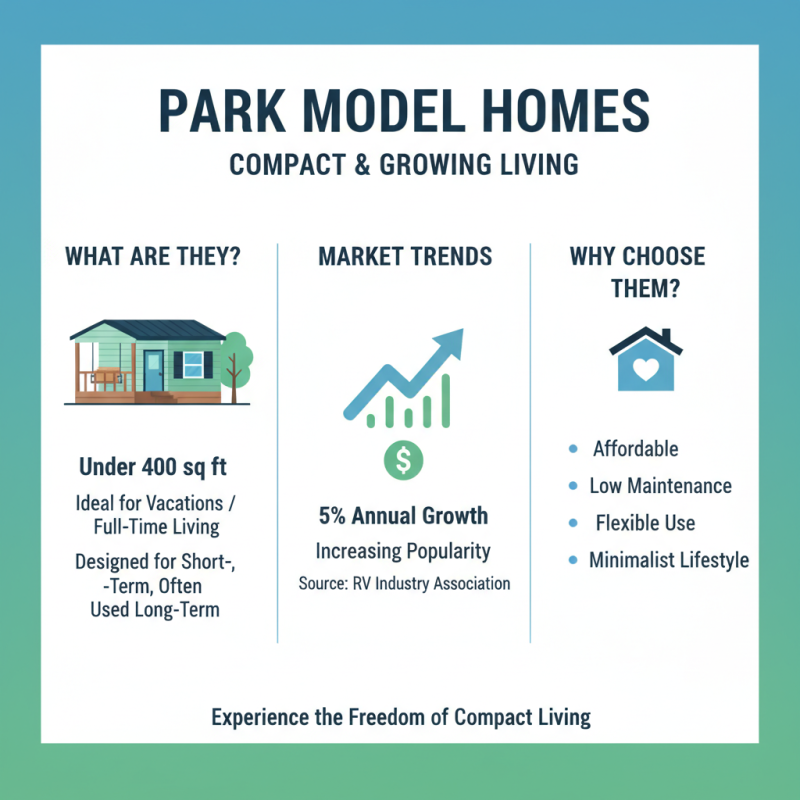
Park model mobile homes offer compact living solutions. They are typically 400 square feet or less, making them ideal for vacation spots or permanent residences. These homes are designed for short-term stays, but many use them as long-term living options. According to the Recreational Vehicle Industry Association, the market for park models is steadily increasing, with an estimated growth rate of 5% annually.
Key features of park model homes include innovative designs and mobility. Many models feature high ceilings, large windows, and efficient layouts. A common aspect is their adaptability; residents often customize interiors to fit personal styles. According to recent surveys, about 70% of park model owners appreciate the flexibility these homes provide.
However, owning a park model home comes with challenges. Zoning laws can be restrictive. Some areas may not allow park models as permanent homes, which creates uncertainty. Additionally, potential buyers often overlook factors like installation costs and utilities. These sometimes lead to unexpected expenses, making it crucial to research local regulations thoroughly.
How Park Model Mobile Homes Are Designed and Constructed
Park model mobile homes are uniquely designed for both comfort and mobility. These homes usually range from 300 to 500 square feet. Unlike traditional mobile homes, park models are built for longer stays. They often feature high ceilings and spacious layouts, allowing for a cozy living experience. Their design prioritizes functionality with storage solutions that maximize space. Large windows provide natural light and a view of the outdoors.
In terms of construction, park model homes are crafted with care. They use high-quality materials to ensure durability. The structure typically includes a solid frame, energy-efficient insulation, and modern plumbing. Many models come with carefully planned outdoor spaces, such as porches or patios. This extended living area encourages social interactions. However, since these homes are designed for specific locations, their relocation can be challenging. Once placed, homeowners often face limitations on moving it again. Ensuring the right site selection is crucial for long-term enjoyment.
Advantages of Choosing a Park Model Mobile Home
Park model mobile homes are an excellent choice for those seeking affordable housing options. They offer many advantages over traditional homeownership. For starters, they are usually smaller, making them easier to maintain. This smaller footprint can lead to lower utility costs. Many park model homes include well-designed layouts, maximizing space efficiency.
Another benefit is their mobility. While they are often stationary, they can be relocated if needed. This flexibility allows homeowners to adapt to changing circumstances. Also, living in a park model mobile home can foster a close-knit community. Residents often share similar lifestyles and values, which can build strong relationships.
However, there are some challenges. Limited space can feel confining for larger families. Storage solutions might require creative thinking. Not all parks allow pets, which can be a dealbreaker for many. Individuals should consider these factors before making a decision. Balancing the pros and cons will lead to a well-informed choice.
Living in a Park Model Mobile Home: Regulations and Lifestyle
Living in a park model mobile home offers a unique lifestyle. These homes are usually around 400 square feet, making them compact yet functional. Many park model residents appreciate their affordability. According to a report by the Manufactured Housing Institute, the average price of a park model home is significantly lower than traditional homes. This makes them an appealing option for many people.
However, regulations around park model living can be strict. Some locations require these homes to be placed in designated areas, typically within RV parks or communities. Homeowners need to consider zoning laws and local ordinances before purchasing. This reliance on regulation can sometimes create challenges for potential buyers. It’s essential to fully understand these rules to avoid potential issues.
Living this lifestyle also requires adjusting to smaller living spaces. Storage becomes a major consideration. Many residents find creative solutions, such as multi-functional furniture or utilizing vertical space. This can lead to a simpler lifestyle but may also demand a shift in personal habits and expectations. Embracing minimalism is key, but it’s not always easy. Each day can present a new challenge, pushing individuals to rethink their approach to home and belongings.