10 Essential Tips for Choosing Canadian Prefab Homes
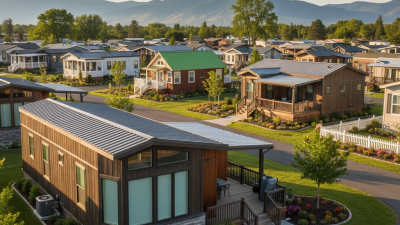
The surge in demand for Canadian Prefab Homes is transforming the housing market. Reports indicate that nearly 70% of new home buyers seek sustainable and efficient living options. Prefabricated homes offer an attractive solution by minimizing construction waste and reducing labor costs.
Choosing the right prefab home involves several critical considerations. The industry projects that the market for prefab homes in Canada will grow by 40% in the next five years. However, potential buyers face challenges. Many do not fully understand the differences in materials or energy efficiency standards. This lack of knowledge can lead to regrets after the purchase.
It's essential to undertake thorough research before deciding. Architectural styles, delivery timelines, and customization options can vary significantly. A hasty decision can result in buyer’s remorse. By investing time in understanding these factors, buyers can select the perfect Canadian Prefab Home that fits both their needs and values.
Understanding Prefabricated Homes in Canada
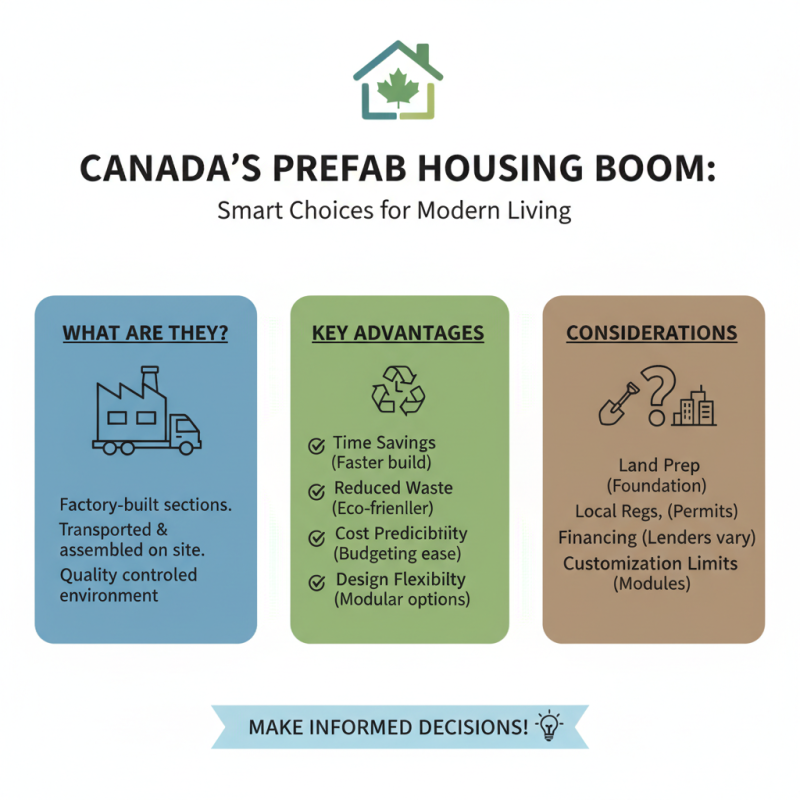
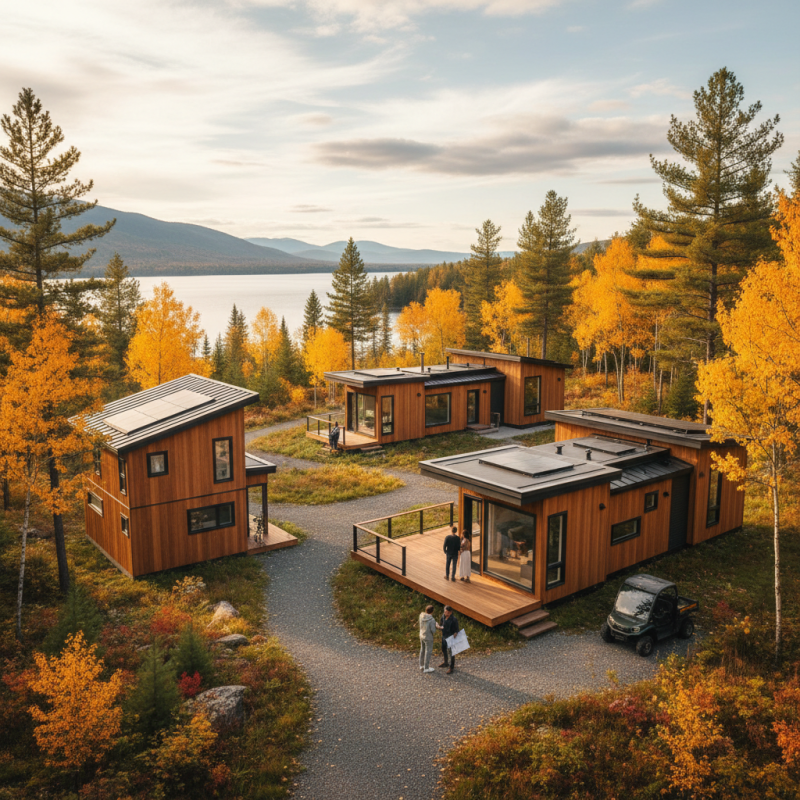
Prefabricated homes, commonly known as prefab homes, are gaining popularity in Canada. These structures are built in factories and then transported to their final locations. This approach can save time and minimize waste. However, understanding the nuances of prefab homes is crucial for making informed choices.
When considering prefab homes, think about design flexibility. Many manufacturers offer various styles and layouts. Some may lack variety in design. It's essential to research and find a builder that meets your specific aesthetic and functional needs. Consider the materials used as well. Not all prefab homes use high-quality resources. The type of insulation or wall materials can affect comfort and energy efficiency.
Another point to contemplate is the zoning regulations in your area. Not every region allows prefab homes, which can complicate your plans. Some areas have strict guidelines that can limit your options. It's vital to check local regulations before proceeding. Building a prefab home requires careful planning and understanding. Think through your needs and preferences, but remain open to adjustments along the way. This process may not be perfectly smooth, but it's an exciting journey into modern housing solutions.
Key Benefits of Choosing Prefab Homes Over Traditional Construction
Prefabricated homes, or prefab homes, offer distinct advantages over traditional construction methods. One major benefit is the reduced build time. Since many components are built off-site, the on-site assembly is quicker. Homeowners can move in sooner than with conventional methods. This promptness can significantly reduce living disruptions.
Affordability is another key factor. Prefab homes typically come at a lower price point. This is due, in part, to streamlined manufacturing processes. However, it's essential to consider site preparation costs. These can sometimes equal or exceed the savings. Buyers may want to budget for unexpected expenses.
Energy efficiency also sets prefab homes apart. Many designs incorporate eco-friendly materials and systems. This can lead to lower utility bills over time. Buyers, however, should fully research energy ratings. Not all prefab options are equal in this regard. Remember, not every prefab is a perfect fit. Every choice needs careful thought.
Key Benefits of Choosing Prefab Homes Over Traditional Construction
Factors to Consider When Selecting Prefab Home Designs
Choosing a prefab home requires careful thought. The design is fundamental. Think about the layout that suits your lifestyle. Do you need an open space or separate rooms? Consider how light flows in. Natural light can transform a smaller area.
Another important factor is the climate. Prefab homes must withstand Canadian weather. Ensure the materials are durable and energy-efficient. Insulation is critical, especially in colder regions. Also, examine the foundation requirements. Not all designs fit every terrain or soil type.
Don't overlook customization options. Many prefab homes offer personal touches. However, additional features can inflate costs. Determine your budget early on. Balance dream designs with financial realities. Reflect on your choices. Are you prioritizing aesthetics over practicality?
Evaluating Builder Reputation and Experience in Prefabrication
When choosing a builder for your Canadian prefab home, reputation matters. Look for builders who have a solid presence. Positive online reviews can indicate reliability. Check social media for real customer feedback. Beware of overly polished testimonials—they can sometimes be misleading.
Experience is just as vital. Builders with several completed projects have learned crucial lessons. Ask about their previous homes. What challenges did they face? How did they overcome them? This will provide insight into their problem-solving skills. Visit past projects if possible. Observe the craftsmanship and materials used.
It is essential to communicate clearly with potential builders. Ask about their approach to prefab work. A builder who listens to your needs is valuable. Ensure they are transparent about processes and timelines. Evaluating a builder’s reputation and experience isn't just about numbers. It involves understanding their commitment to quality and customer satisfaction.
Navigating Local Building Codes and Regulations for Prefab Homes
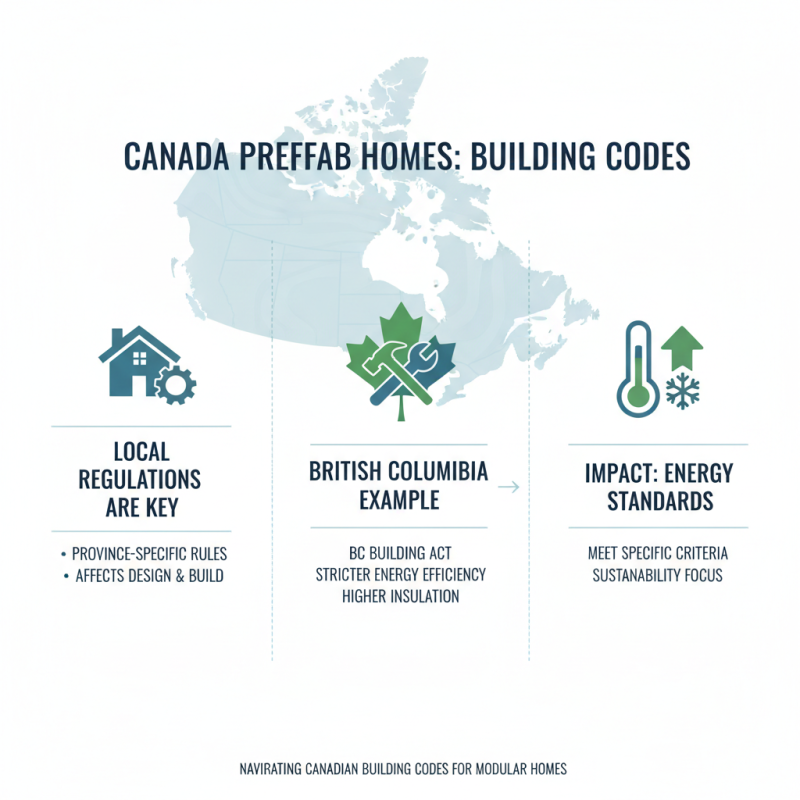
When considering prefab homes in Canada, navigating local building codes and regulations is crucial. Each province has its own set of rules that can affect the overall design and construction process. For example, in British Columbia, the building code is influenced by the BC Building Act. This can mean stricter energy efficiency standards, requiring prefab homes to meet specific criteria, like higher insulation levels.
A report by the Canada Mortgage and Housing Corporation (CMHC) indicates that up to 30% of building delays are caused by regulatory challenges. This highlights how vital it is to consult local authorities before starting your project. Understanding zoning laws, permit requirements, and safety standards can save you time and resources. Many aspiring homeowners overlook these aspects, leading to frustrating hurdles down the road.
Each municipality may have unique regulations on foundation types, utility connections, and even aesthetic guidelines. For example, some may require specific materials to blend with existing neighborhoods. Failing to comply could result in costly fines or delays. Researching and engaging with local building departments early on can help you avoid potential issues. Utilizing local resources will provide clarity and assistance throughout the building process.