2025 How to Choose the Right Park Model Home for Your Needs
As the popularity of Park Model Homes continues to rise, individuals seeking a new lifestyle often find themselves faced with the critical decision of choosing the right home that fits their needs. Renowned industry expert, Thomas Hill, states, "Selecting a Park Model Home is not just about the structure itself; it's about creating a comfortable and functional living space that enhances your lifestyle." This insight underscores the importance of carefully evaluating various options within the Park Model Homes sector to ensure they align with one's personal preferences and requirements.
In the evolving landscape of residential options, Park Model Homes offer a unique blend of efficiency, functionality, and aesthetics. Whether you are looking for a cozy retreat in nature or a stylish residence in a thriving community, understanding the key features of these homes is essential. From layout designs and amenities to zoning regulations and mobility considerations, three critical areas need to be explored when embarking on this journey. By navigating these factors wisely, you can make an informed choice that supports a fulfilling and enjoyable living experience in your selected Park Model Home.
Understanding Park Model Homes and Their Features
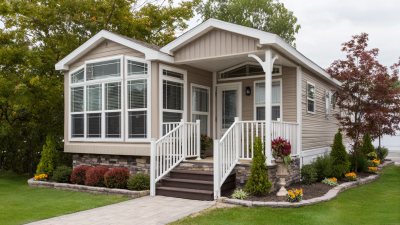
Park model homes, often distinguished by their compact yet functional designs, offer a unique blend of comfort and convenience, ideal for various lifestyles.
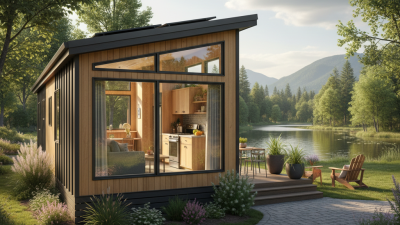
These homes typically range from 400 to 500 square feet and are built on a single chassis, allowing for easier transportation to different locations. Understanding their features is essential when considering this living option.
Many park model homes include full-size kitchens, spacious bathrooms, and comfortable living areas, providing all the necessities for permanent or seasonal residence.
Additionally, they can be customized with options such as covered porches, loft spaces, or energy-efficient appliances to better suit individual preferences.
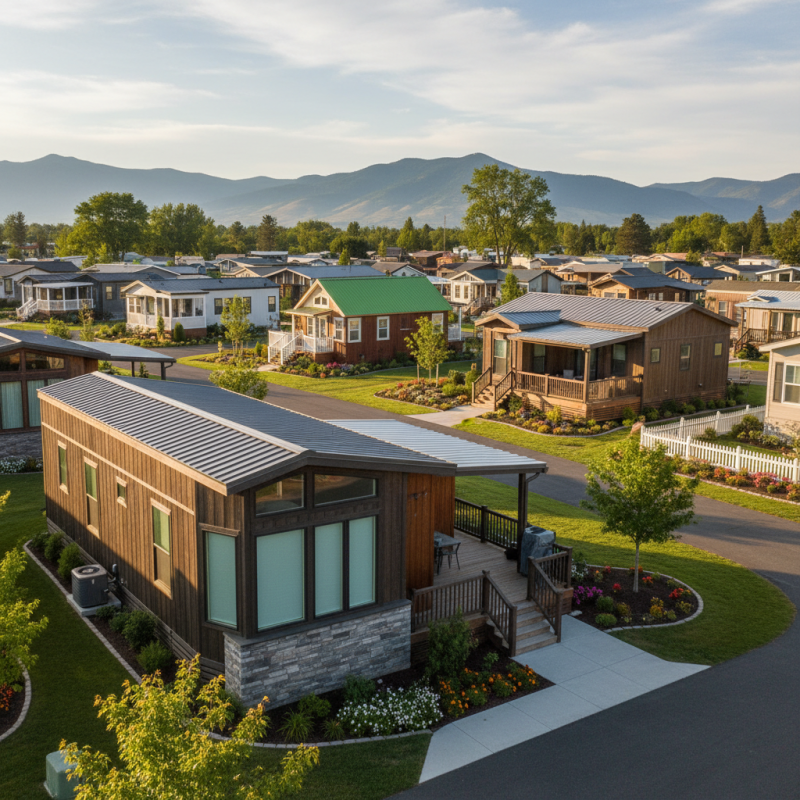
Another vital aspect to consider is the amenities and community features available in the park or resort where these homes are situated.
Many park models are located in designated communities that provide recreational facilities like clubhouses, swimming pools, and social activities, fostering a vibrant community spirit.
Accessibility to local attractions, services, and natural surroundings can also enhance your living experience.
As you explore park model homes, evaluate both the home’s internal features and the surrounding environment to ensure it aligns with your lifestyle and needs.
Understanding these elements will help you make an informed decision when selecting the right park model home for your future.
Assessing Your Lifestyle Needs and Preferences
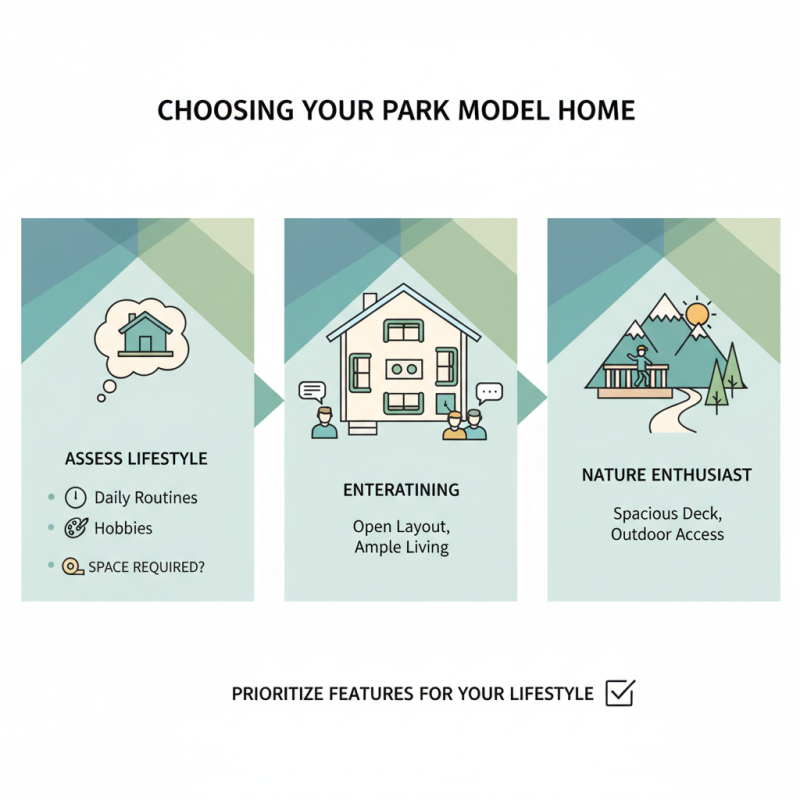
When choosing the right park model home, it's essential to first assess your lifestyle needs and preferences. Consider your daily routines, hobbies, and the amount of space you require. For example, if you enjoy entertaining, you'll want a model that has an open layout and ample living space. If you're a nature enthusiast who values outdoor activities, a home with a spacious deck or easy access to outdoor areas can enhance your experience. Evaluating these aspects allows you to prioritize features that align with your lifestyle.
Additionally, think about your long-term plans and how they may influence your housing needs. If you anticipate changes such as retirement, hosting family, or pursuing new interests, selecting a flexible park model that can accommodate these future changes is wise. Take your time to explore different floor plans and configurations, ensuring they align with how you envision your life in the coming years. By carefully considering your lifestyle and future aspirations, you can choose a park model home that truly feels like your personal retreat.
Evaluating Location and Community Amenities
When choosing a park model home, location and community amenities are pivotal elements to consider. The right location can enhance your living experience, providing easy access to essential services and recreational options. Proximity to grocery stores, healthcare facilities, and leisure activities can significantly impact daily life. Additionally, the surrounding environment should resonate with your lifestyle — whether it’s the tranquility of nature or the vibrancy of urban life.
Community amenities also play a crucial role in your decision-making process. Look for parks that offer features tailored to your interests, such as swimming pools, clubhouses, fitness centers, or walking trails. These shared spaces foster a sense of community and can make a significant difference in your social life. Moreover, assess the overall management of the community, including maintenance practices and resident engagement opportunities. A well-managed community can enhance your living experience, offering not just a home but a lifestyle that aligns with your personal needs and preferences.
2025 How to Choose the Right Park Model Home for Your Needs - Evaluating Location and Community Amenities
| Feature |
Description |
Importance Level |
| Location |
Proximity to essential services such as grocery stores, healthcare, and public transport. |
High |
| Community Amenities |
Access to recreational facilities such as pools, parks, and community centers. |
Medium |
| Safety |
Low crime rates and a secure environment are crucial for peace of mind. |
High |
| Community Culture |
Vibrant community engagement through events and social activities. |
Medium |
| Transportation |
Availability of public transit options for easy commuting. |
Medium |
| Neighborhood Demographics |
Understanding the community's age, income, and family structures. |
Low |
Choosing the Right Size and Layout for Comfort
When selecting the right park model home, comfort is paramount, and the size and layout play critical roles in achieving that. According to a 2022 industry report from the Recreational Vehicle Industry Association (RVIA), the average size of a park model home is approximately 400 square feet, with many designs optimizing space to enhance livability. Understanding your personal needs and how you intend to use the space is vital. For instance, a couple may prefer a cozy layout with an open living area and a compact kitchen, while a family might require multiple sleeping areas and distinct zones for relaxation and entertainment.
Additionally, layout choices can greatly influence the overall comfort of a park model home. The National Association of Home Builders (NAHB) indicates that versatile layouts that allow for efficient movement and functional use of space are increasingly favored. This includes features like multifunctional furniture and smart storage solutions, which can be particularly beneficial in smaller models. Prioritizing elements such as natural light, airflow, and accessibility can transform a park model home from merely functional to a serene place where individuals truly feel at home.
Therefore, carefully considering size and layout not only enhances comfort but also fosters a harmonious living environment.
Budgeting: Costs and Financing Options to Consider
When considering a park model home, budgeting is a crucial step that cannot be overlooked. The cost of these homes can vary significantly based on size, features, and location. According to the Manufactured Housing Institute, the average cost of a park model home ranges from $40,000 to $100,000, with higher-end options potentially exceeding this price. It’s important to factor in additional costs such as land rental, utility hookups, and ongoing maintenance, which can add thousands to the overall investment.
Financing options for park model homes are similar to traditional home loans, but there are unique aspects to consider. Many buyers opt for personal loans or chattel loans, which are specifically designed for movable homes. A report by the National Association of Home Builders highlights that securing a loan with a competitive interest rate can save buyers thousands over the life of the loan. It is wise to shop around for lenders who specialize in manufactured housing to find the best terms.
Tips: Always create a comprehensive budget that includes all potential costs, not just the home price. Consider working with a financial advisor familiar with park models to explore all financing avenues. Additionally, be sure to check for any local or state incentives that may help offset costs related to purchasing or setting up your new park model home.