How to Choose the Best Park Model Homes for Your Needs?
Choosing the right Park Model Homes can be a daunting task. These homes offer distinct features, providing a unique blend of comfort and versatility. Buyers often envision their ideal living space. However, the variety available can complicate this vision.
Consider your lifestyle. Do you prefer a cozy retreat or a spacious environment? Park Model Homes vary significantly in size and layout. Personalizing your choice is crucial. Evaluate available amenities like kitchens and bathrooms. These elements can greatly influence your daily life.
Think about location as well. Where will you place your Park Model Home? Proximity to parks, lakes, or urban areas can shape your living experience. It's essential to reflect on these factors. After all, your ideal home should align with your reality. Balancing desires with practical needs is often challenging but necessary.
Understanding Park Model Homes and Their Unique Features
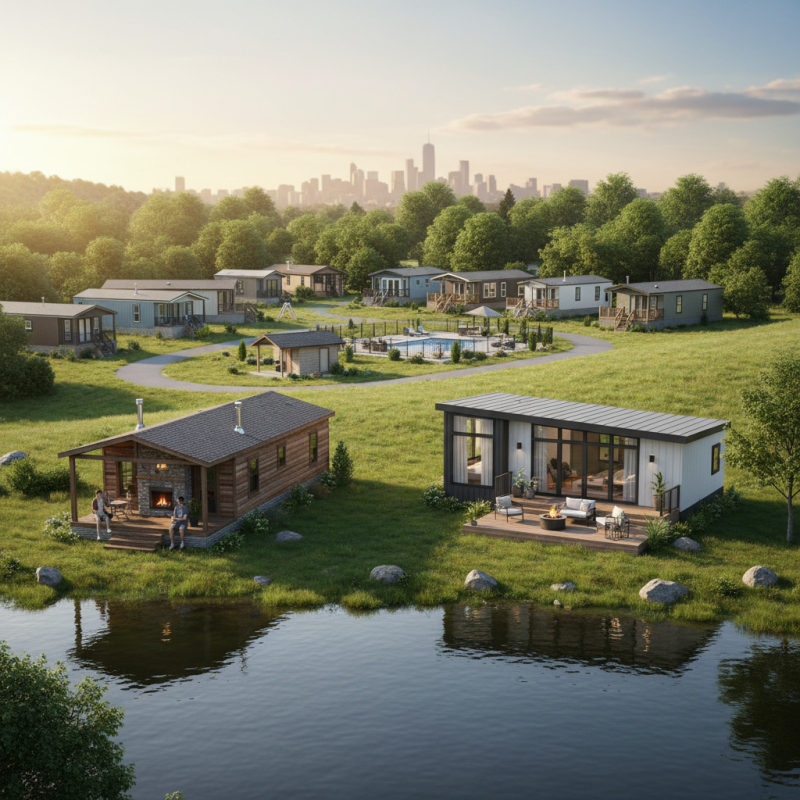
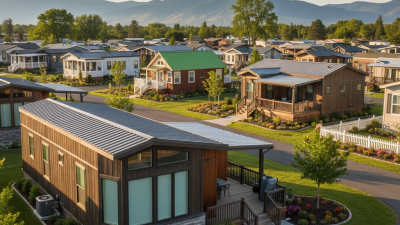
Park model homes are unique dwellings designed for temporary or seasonal living. These homes blend the charm of a tiny house with the comforts of a traditional home. Often set in mobile home parks or resort areas, they provide a cozy living space with essential amenities. The layouts typically include a kitchen, bathroom, and living area, all within a compact design.
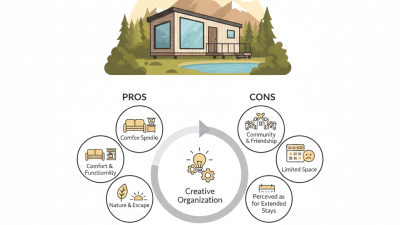
One remarkable feature is their efficient use of space. Creative storage solutions make them practical for extended stays. However, the limited square footage can also pose challenges. Finding the right balance between functionality and comfort might require careful planning. Additionally, some designs may feel cramped if not chosen wisely. It's essential to consider personal preferences while navigating the options available. Reflecting on your lifestyle and needs can lead to a more satisfying choice. Emphasizing features that resonate with you can guide your decision-making process.
Assessing Your Lifestyle Needs Before Choosing a Park Model Home
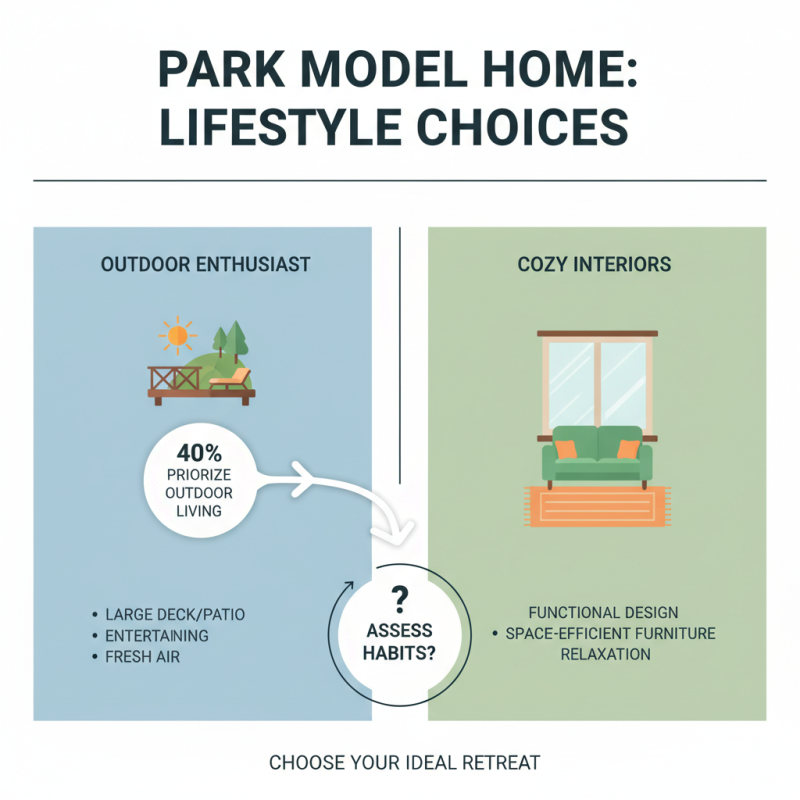
Choosing a park model home requires careful consideration of your lifestyle. Begin by assessing your daily habits. Do you enjoy outdoor activities? A model that offers a large deck or patio is ideal for entertaining. If you prefer a cozy indoor space, focus on designs with functional interiors and space-efficient furniture. Data suggests that around 40% of buyers prioritize outdoor living spaces when selecting their homes.
Next, think about your long-term plans. Are you considering retirement or a seasonal getaway? Research shows that 35% of park model homeowners plan to stay long-term. This means you should consider factors like insulation and weather resistance, especially if you live in areas with extreme climates. Don't forget the layout. Open floor plans generally create a more spacious feel, yet some models may lack adequate storage.
Finally, evaluate your budget. The average cost of park model homes can vary, often ranging from $30,000 to over $100,000. It’s easy to exceed your budget with optional upgrades. Reflect on what features truly enhance your quality of life. Prioritize them and set realistic financial limits. Balancing dreams with practicality is crucial in this process.
Evaluating Size, Layout, and Design Options for Park Model Homes
When selecting a park model home, size is fundamental. According to the Tiny Home Association, the average park model home is about 400 square feet. This size efficiently combines comfort and functionality. Many designs feature an open layout, ensuring smooth movement. However, some might feel cramped with no dedicated spaces. Consider your lifestyle needs before deciding.
Layout is crucial to optimizing your space. A well-designed kitchen can improve daily living significantly. Some models offer innovative storage solutions, such as Murphy beds and retractable dining tables. Yet, high ceilings and large windows can make a small space feel larger. Think about your daily activities. Do you need a home office or extra storage?
Design options often vary widely. Aesthetic appeal matters, but so do practical aspects like insulation and durability. According to research from the National Association of Home Builders, energy efficiency is becoming more important for buyers, impacting design choices. Can these styles withstand various weather conditions? Reflecting on these facets helps in making a well-informed decision.
Exploring Costs, Financing, and Budgeting for Your Park Model Home
When budgeting for your park model home, assess your finances carefully. Understand the total costs involved. This includes not just the purchase price, but also taxes, insurance, and maintenance fees. Creating a detailed budget can save you from unexpected expenses later.
Tip: Track all your expenses. This will help you identify areas where you can cut costs. Consider all potential financing options. Look into loans specifically for park model homes. Compare interest rates and terms from different lenders.
Many dream of owning a park model home, but not everyone plans adequately. Some overlook the long-term expenses like utilities and upkeep. Reflect on your lifestyle and how much you can truly afford.
Tip: Don't rush the process. Take your time in making financial decisions. Consult with experts if necessary, and ensure you are well-informed. Balancing your wants and needs is crucial to avoid future regrets. A little patience can lead to better choices.
Cost Comparison of Park Model Homes
Considering Location and Community Amenities for Park Model Living
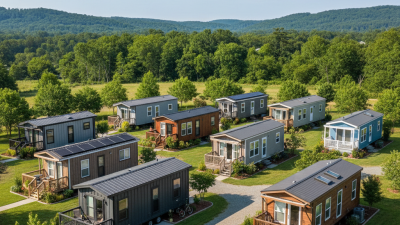
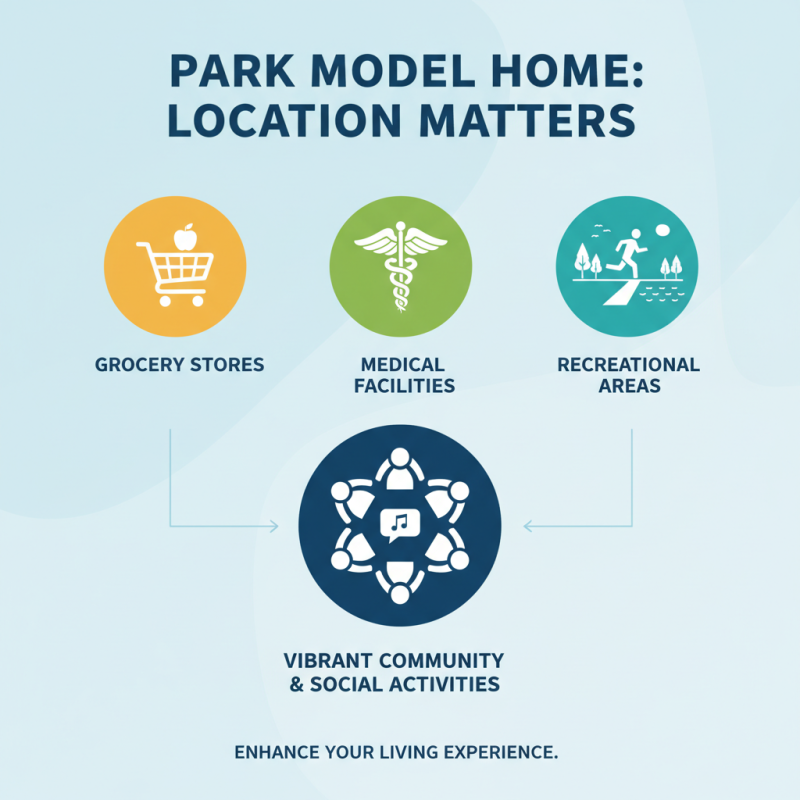
Choosing the right location for your park model home is crucial. Think about the nearby amenities. Proximity to grocery stores, medical facilities, and recreational areas can significantly enhance your living experience. A vibrant community can offer social activities, making it easier to meet neighbors and form friendships.
Consider the climate and environment as well. Beachside living might seem ideal, but think about seasonal challenges. High humidity or hurricane threats could become concerns. Check the land ownership rules in the area too. Many communities have specific guidelines. Be sure to read and understand these before making a commitment.
Take a moment to reflect on your lifestyle needs. Do you prefer bustling areas or quiet retreats? The right park model community aligns with your values and daily routine. Imagine morning walks in serene parks or evenings at local cafés. However, these choices require careful consideration. What might seem perfect now could lead to unexpected issues later on. Stay flexible and open-minded throughout your search.