How to Choose the Right Park Model Mobile Home for Your Lifestyle Needs
Choosing the right Park Model Mobile Home for your lifestyle needs can be a daunting task, given the multitude of options available in the market today. With the popularity of mobile living on the rise, the industry has seen a significant uptick in sales, with reports from the Recreational Vehicle Industry Association indicating that shipments of Park Model Mobile Homes increased by 24% in the past year alone. This surge highlights a growing trend towards downsizing and embracing a more minimalist lifestyle, prompting many potential buyers to consider how to select a model that best fits their individual needs.
According to industry expert Dr. Jane Thompson, a leading consultant in mobile home design, “The choice of a Park Model Mobile Home should reflect not only one’s aesthetic preferences but also practical considerations such as space utilization and energy efficiency.” As prospective homeowners weigh their options, it is essential to take into account factors like floor plans, amenities, and environmental sustainability in order to find a unit that complements their lifestyle. Understanding these critical elements will empower buyers to make informed decisions and ultimately enhance their living experience in a Park Model Mobile Home.
Understanding Your Lifestyle Needs for a Park Model Mobile Home
Choosing the right park model mobile home relies heavily on understanding your specific lifestyle needs. According to a report by the Manufactured Housing Institute, over 20% of mobile home owners cite size and layout as critical factors that influence their living experience. This highlights the importance of evaluating how much space you require based on your daily activities, whether you enjoy hosting guests or seeking solitude in a cozy retreat.
When assessing your lifestyle, consider aspects such as location, amenities, and community features. A Texas A&M study indicates that park model homes in resort communities offer enhanced amenities that can align perfectly with an active lifestyle. Factor in your hobbies, access to nature, and proximity to recreational facilities, as these elements can significantly impact your overall satisfaction in a mobile home setting.
Tips:
- Prioritize your most important needs, such as the number of bedrooms and bathrooms, to ensure that your chosen model supports your lifestyle.
- Visit various parks to experience firsthand the living environment and amenities before making a decision.
- Consider future needs, such as potential guests or family members living with you, to select a model that can accommodate changes in your lifestyle over time.
Key Features to Consider in Park Model Mobile Homes
When selecting the right park model mobile home,
it's crucial to focus on key features that align with your lifestyle needs.
One of the primary considerations is the layout and size of the home.
According to the Recreational Vehicle Industry Association (RVIA), park model homes typically range from
400 to 700 square feet, providing ample space for comfortable living. A well-designed layout maximizes functionality,
so look for options that incorporate open floor plans and smart storage solutions to accommodate your lifestyle,
whether it's for full-time residence or seasonal use.
Energy efficiency is another vital feature to consider.
With energy costs steadily rising, investing in a park model home equipped with energy-efficient appliances and
insulated windows can significantly reduce long-term expenses. The U.S. Department of Energy reports that
energy-efficient homes can save homeowners up to 30%
on their energy bills compared to traditional models. Additionally, consider sustainable materials and eco-friendly
construction methods, as these not only contribute to a smaller carbon footprint but also enhance overall durability and maintenance costs.
Lastly, community amenities are essential when choosing a park model mobile home.
Many parks offer shared facilities like swimming pools, fitness centers, and social activities that can enrich your living experience.
According to a study published by the Manufactured Housing Institute, nearly 70% of park model owners cite
community engagement as a primary factor in their satisfaction. Being part of a vibrant community can enhance your lifestyle,
making it important to consider the social aspects of your potential new home.
Evaluating Your Budget for Buying a Park Model Mobile Home
When evaluating your budget for buying a park model mobile home, it is essential to consider several financial factors that can significantly impact your purchase. Start by determining a realistic price range based on your income, savings, and potential financing options. Keep in mind that park model mobile homes often come with different price points depending on their size, design, and included features. It’s advisable to set aside additional funds for closing costs, taxes, and any necessary upgrades or renovations that may arise after purchase.
Moreover, understanding the long-term costs of ownership is crucial. This includes expenses such as insurance, utilities, maintenance, and park fees, which can vary significantly by location. Researching the overall cost of living in the area where you plan to place your mobile home will provide insight into these recurring expenses. By carefully evaluating your budget and planning for both immediate and future financial commitments, you can ensure that your investment aligns with your lifestyle needs and financial capabilities.
Budget Evaluation for Choosing the Right Park Model Mobile Home
Choosing the Right Location for Your Park Model Mobile Home
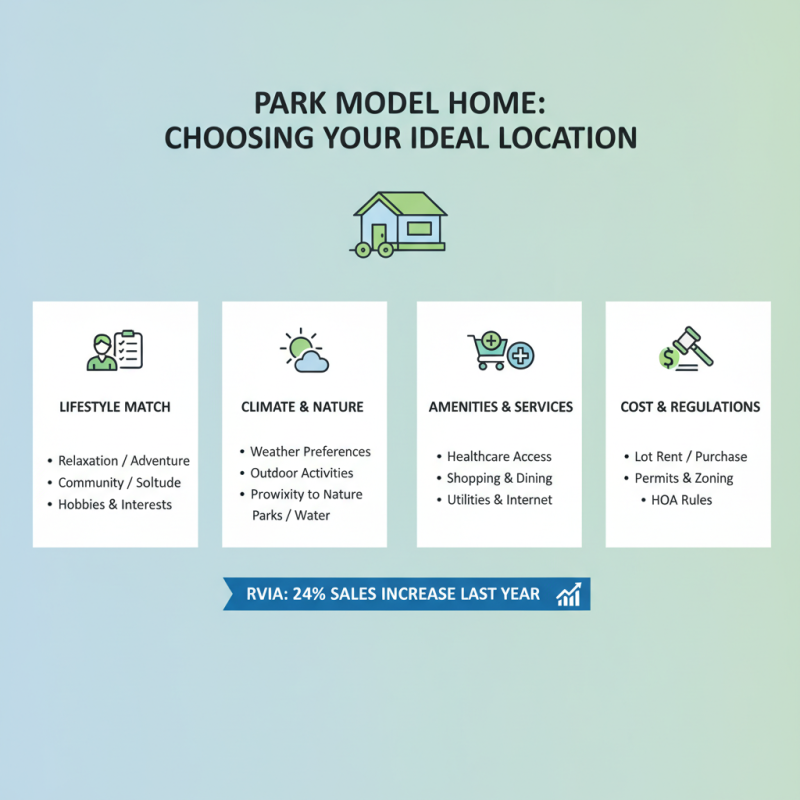
When choosing a location for your park model mobile home, it is essential to consider factors that align with your lifestyle needs. According to the Recreational Vehicle Industry Association (RVIA), the popularity of park model homes has seen a significant increase, with sales up by 24% in the last year alone. This growth underscores the importance of selecting a location that not only meets your housing requirements but also enhances your overall living experience.
Proximity to amenities is a crucial aspect when selecting a location. Research shows that park model homes situated within a mile of essential services, such as grocery stores, healthcare facilities, and recreational areas, can lead to a better quality of life. A study by the National Association of Home Builders (NAHB) indicates that access to nearby parks and outdoor spaces significantly boosts satisfaction among homeowners, particularly those retired or looking for a relaxed lifestyle. Additionally, consider the community’s atmosphere and safety, as a reputable neighborhood can provide peace of mind and ensure a welcoming environment for social interactions.
Environmentally, the locale’s climate and natural surroundings play a vital role in your decision-making process. A report by the Environmental Protection Agency (EPA) highlights that individuals living in areas with moderate climates often enjoy reduced costs related to heating and cooling, ultimately leading to savings in monthly expenses. Therefore, a well-thought-out location not only aligns with your lifestyle preferences but also contributes to long-term financial benefits and overall happiness in your park model mobile home.
Exploring Customization Options for a Park Model Mobile Home
When selecting a park model mobile home, customization plays a crucial role in aligning the unit with your lifestyle needs. According to the Recreational Vehicle Industry Association (RVIA), nearly 60% of consumers prefer homes that can be tailored to their specifications, emphasizing the importance of personalization in the market. Customization options can range from layout designs and interior finishes to energy-efficient amenities and sustainable materials, allowing homeowners to create spaces that reflect their unique tastes and functional requirements.
Modern park models also increasingly offer a variety of upgrade options that cater to different lifestyle preferences. For instance, energy-efficient appliances and smart home technology are among the top features sought by millennials and environmentally conscious buyers. The National Association of Home Builders (NAHB) reports that adding energy-efficient features can increase the resale value of mobile homes by approximately 10-15%, making them a wise investment choice. By exploring these customization options, potential homeowners can enhance their living experience and make a long-term commitment to a sustainable lifestyle.
How to Choose the Right Park Model Mobile Home for Your Lifestyle Needs - Exploring Customization Options for a Park Model Mobile Home
| Feature |
Description |
Customization Options |
Considerations |
| Size |
Available in various sizes (e.g., 400 sq ft to 800 sq ft) |
Open floor plan, additional rooms |
Local zoning regulations |
| Layout |
Different layouts for optimal space utilization |
Kitchen placement, living space design |
Personal preferences |
| Home Style |
Variety of architectural styles |
Exterior colors, roof styles |
Community guidelines |
| Interior Design |
Customizable interior finishes and layouts |
Cabinet styles, flooring options |
Budget constraints |
| Utilities |
Essential utilities like water, electricity, and sewage |
Energy-efficient appliances |
Access to utilities in the park |