Why Choose a Prebuilt Home for Your Next Real Estate Investment
As the real estate market continues to evolve, more investors are considering alternative options, such as prebuilt homes, to diversify their portfolios. These properties, constructed off-site and then transported to their final location, offer unique benefits that traditional homes may not provide. Renowned expert in modular construction, Dr. Emily Carter, states, "Investing in a prebuilt home not only accelerates the construction timeline but also often reduces costs and enhances sustainability." This insight highlights the growing appeal of prebuilt homes in today's market.
Prebuilt homes can stand as a compelling choice for investors seeking to maximize efficiency and return on investment. The flexibility in design, coupled with the potential for energy savings, makes these properties increasingly attractive. As the demand for housing rises and construction timelines lengthen, the advantage of choosing a prebuilt home becomes more pronounced. This innovative approach not only aligns with the modern buyer's expectations for quality and durability but also presents a practical solution in a competitive landscape.
In light of these factors, understanding the benefits and opportunities presented by prebuilt homes is crucial for anyone looking to make the most of their next real estate investment. Whether for personal use or rental income, prebuilt homes serve as a smart choice for today’s savvy investors.
Benefits of Investing in Prebuilt Homes Over Traditional Construction
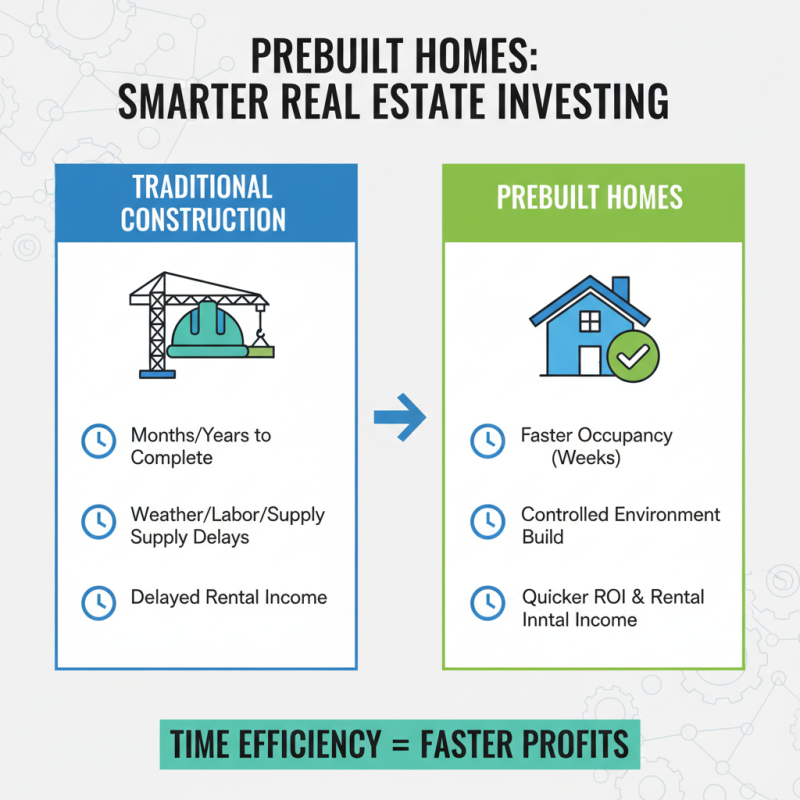
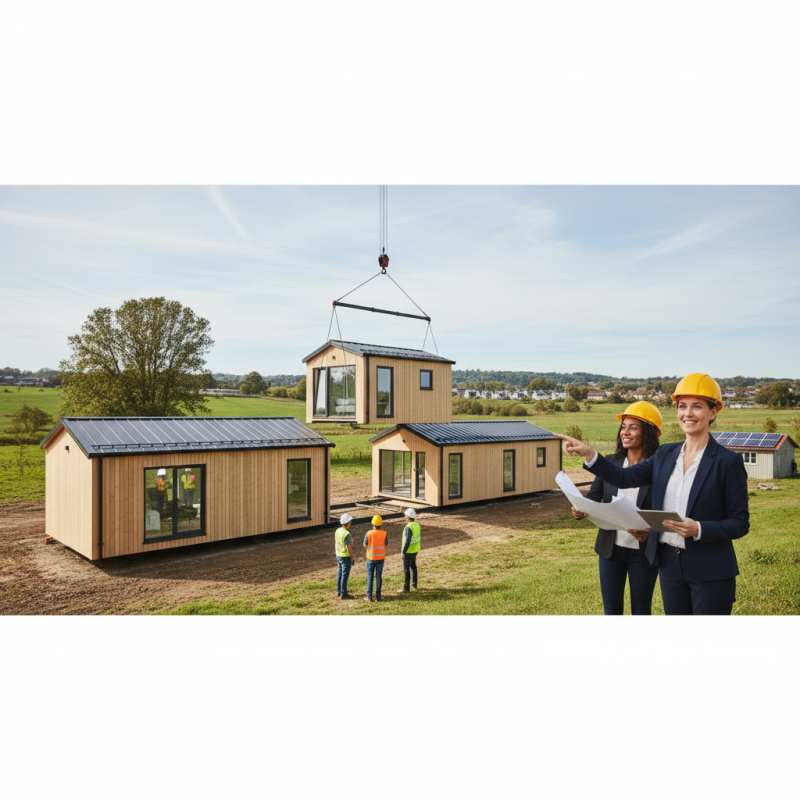
Investing in prebuilt homes presents a range of advantages over traditional construction methods, making it an attractive option for real estate investors. One significant benefit is the time efficiency associated with purchasing a prebuilt home. Construction timelines can stretch for months or even years when dealing with traditional builds, often plagued by delays due to weather, labor shortages, or supply chain issues. In contrast, prebuilt homes are constructed in controlled environments and can be ready for occupancy much quicker, allowing investors to capitalize on the market sooner and generate rental income more quickly.
Another compelling reason to consider prebuilt homes is the cost-effectiveness involved. Traditional building projects frequently overrun their budgets due to unforeseen expenses related to labor, materials, or permits. Prebuilt homes, however, typically provide more predictable pricing because they are produced in bulk and follow standardized processes. This can lead to significant savings for investors, who can also benefit from reduced maintenance costs associated with newer construction. Additionally, prebuilt homes often come with modern energy-efficient features, which can lower utility costs and make the property more appealing to potential renters or buyers. In an evolving real estate landscape, these advantages of investing in prebuilt homes are increasingly hard to ignore.
Understanding the Cost-Effectiveness of Prebuilt Homes
When considering your next real estate investment, prebuilt homes often emerge as a cost-effective option. These properties are designed and manufactured off-site, allowing for significant savings in time and labor costs. The streamlined construction process minimizes delays and material waste, thereby reducing the overall expense associated with traditional building methods. Investors can reap the benefits of a reduced purchase price while maintaining the opportunity for customization and value appreciation.
Tips for potential buyers lean heavily on the importance of thorough research. Understand the varying expenses, such as land acquisition and zoning regulations, that accompany prebuilt homes. Additionally, factor in the long-term benefits; energy-efficient features often included in prebuilt designs can lead to lower utility bills, improving your cash flow over time. Always consult with a knowledgeable real estate agent familiar with prebuilt homes to avoid unforeseen pitfalls and maximize your investment.
As you assess your options, remember to factor in the maintenance costs of prebuilt homes, which can be lower due to the use of modern materials and techniques. Evaluating these properties based on their long-term value, alongside the initial savings, can aid you in making prudent and financially sound decisions in your real estate journey.
Why Choose a Prebuilt Home for Your Next Real Estate Investment - Understanding the Cost-Effectiveness of Prebuilt Homes
| Feature |
Prebuilt Home |
Traditional Home |
| Cost per Square Foot |
$150 |
$200 |
| Construction Time |
3-6 Months |
6-12 Months |
| Financing Options |
More Flexible |
Less Flexible |
| Customization Level |
High |
Moderate |
| Energy Efficiency |
High |
Variable |
| Insurance Costs |
Lower |
Higher |
Exploring Energy Efficiency and Sustainability in Prebuilt Homes
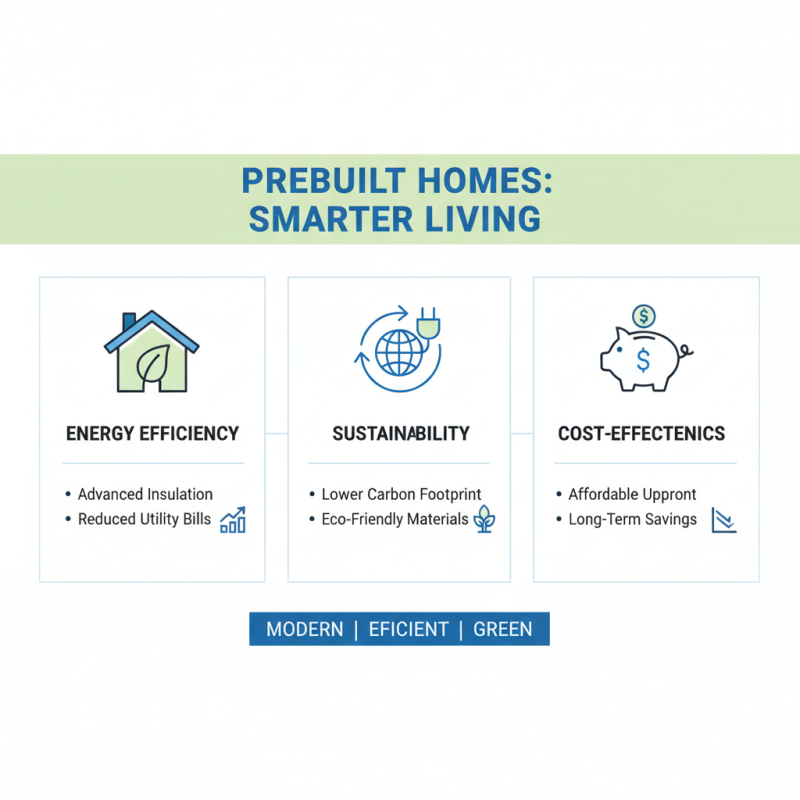
Prebuilt homes have garnered attention in recent years, not only for their convenience and cost-effectiveness but also for their significant focus on energy efficiency and sustainability. One of the most compelling aspects of prebuilt homes is their ability to optimize energy use through advanced building materials and techniques. Many prebuilt designs incorporate insulation that meets or exceeds energy-efficient standards, ensuring that homes maintain a comfortable temperature while minimizing dependency on heating and cooling systems. This leads to lower utility bills and a reduced carbon footprint, making them an attractive option for environmentally conscious investors.
Moreover, sustainability is woven into the fabric of prebuilt home construction. These homes often utilize eco-friendly materials that are sourced responsibly, reducing the environmental impact from procurement to installation. Additionally, prebuilt homes frequently come equipped with modern energy-efficient appliances and smart home technology that promotes efficient energy consumption. By investing in prebuilt homes, buyers not only support the use of sustainable resources but also contribute to a growing market that prioritizes environmental stewardship. As awareness around climate change mounts, the appeal of prebuilt homes as sustainable investments continues to grow, offering a viable path towards greener living solutions.
Assessing the Speed of Construction and Market Readiness
When considering your next real estate investment,
prebuilt homes offer a considerable advantage in terms of construction speed and market readiness.
Unlike traditional homes, which can take months or even years to complete, prebuilt homes are designed for quick assembly.
This streamlined construction process reduces the time typically needed for site preparation and building, allowing investors to
enter the market much sooner. This speed not only minimizes carrying costs but also positions your property to capitalize
on favorable market conditions without unnecessary delays.
Tips for potential investors include researching local regulations
to ensure compliance with zoning laws, which can vary significantly. Additionally, consider the reputation of the builder
or manufacturer; reliable companies typically have a proven track record of delivering quality homes efficiently.
Furthermore, staying updated on market trends can help you gauge the best times to buy or sell, maximizing your investment potential.
Investing in a prebuilt home also means taking advantage of designs and features that are tailored for modern buyers.
As demand for energy-efficient and sustainable living options continues to rise, prebuilt homes often incorporate
these elements from the outset. Evaluating these features can bolster your property’s appeal and set it apart in a competitive market.
Evaluating Customization Options and Design Flexibility in Prebuilt Homes
When considering a prebuilt home, design flexibility and customization options become essential factors in making the right investment. Prebuilt homes are often lauded for their efficiency and speed of construction, but they also offer a variety of customization opportunities that can meet individual preferences and local market demands. According to a recent report by the National Association of Home Builders (NAHB), nearly 60% of homebuyers place a high priority on customizable features when selecting a new home. This statistic indicates a clear market trend towards homes that can be tailored to personal taste without the lengthy delays typically associated with traditional homebuilding.
One significant advantage of prebuilt homes is the ability to modify layouts, finishes, and appliances to suit the homeowner's needs. Many manufacturers offer a range of design packages that allow buyers to choose everything from floor plans to color palettes. This flexibility not only enhances buyer satisfaction but can also lead to increased property value. A study published in the Journal of Real Estate Research highlights that homes with customizable options tend to appreciate faster and provide higher returns on investment compared to less flexible options.
Tip: When exploring prebuilt homes, prioritize sellers that allow you to see floor model homes firsthand. This can help you visualize the space and assess the quality of customization options available.
Another important aspect to consider is the use of sustainable materials and energy-efficient designs in prebuilt homes. As the demand for eco-friendly living spaces rises, many manufacturers are incorporating these features into their standard offerings, which can further enhance your investment appeal. A report from the U.S. Green Building Council reveals that homes built with sustainable materials not only reduce long-term operational costs but also provide potential rebates for energy-efficient upgrades, making them an attractive option for future buyers.
Tip: Research local incentives for energy-efficient home improvements that can complement the customization process, providing additional financial benefits in the long term.