
Leave Your Message

China Top Trailer Park Trailers for Global Buyers?

China has become a major sourcing destination for Trailer Park Trailers, serving buyers across hospitality, tourism, housing, and workforce accommodation. This guide examines why Chinese manufacturers attract global attention and where careful evaluation remains essential. Factory experience matters, but attractive pricing alone cannot guarantee a successful project.

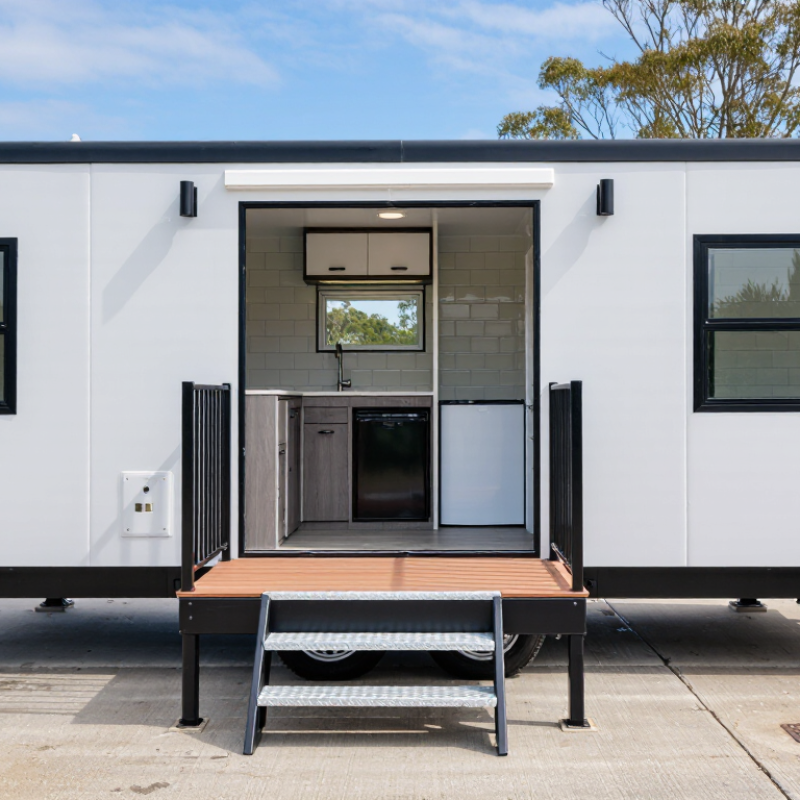
Many established producers offer steel frames, insulated wall panels, efficient layouts, and customizable interiors. Buyers can request kitchens, bathrooms, storage areas, decks, and climate-control systems. A well-built unit should show clean welds, even panel joints, secure window seals, and practical access for maintenance. Details matter. A brochure cannot show everything.

Reliable sourcing requires more than comparing online quotations. Buyers should review factory records, production drawings, material specifications, quality-control procedures, and export experience. Independent inspections can check dimensions, electrical installation, plumbing connections, and packaging before shipment. Container loading also deserves attention; damaged corners or poorly protected fixtures may create expensive problems at the destination.

Regional climate and local building requirements must shape the design. A trailer intended for a humid coastal site needs different protection from one used in a cold inland region. Transport width, lifting points, foundation preparation, and after-sales support should be confirmed early. Some suppliers communicate well before payment, then respond slowly during revisions. That risk deserves honest consideration.

This introduction will compare manufacturing capability, customization, quality assurance, delivery planning, and supplier credibility. The strongest choice may not be the cheapest one. It should be practical, documented, and suitable for long-term use. There is no perfect supplier. Careful questions still improve the odds of a dependable purchase.
China Top Trailer Park Trailers for Global Buyers?

What Are Trailer Park Trailers and How Are They Used?

China Top Trailer Park Trailers for Global Buyers?

Trailer park trailers are factory-built homes designed for placement in planned residential communities. They are usually transported on a chassis and connected to prepared foundations, water lines, drainage, electricity, and sometimes gas. Unlike short-stay travel trailers, these units often support longer-term living. Their layouts may include one or two bedrooms, a compact kitchen, a bathroom, and a living area with large windows.

In practical site inspections, buyers should examine the frame, roof joints, floor insulation, doors, and plumbing connections. Small defects can become expensive after repeated transport. A trailer placed in a cold region needs stronger insulation and protected pipes. Coastal projects require corrosion-resistant materials and careful moisture control. These details matter more than attractive interior finishes.

Trailer park trailers are used for permanent housing, seasonal accommodation, worker residences, guest villages, and temporary community expansion. They can reduce construction time because much of the work happens indoors before delivery. However, “ready to install” does not mean ready everywhere. Local rules may control dimensions, fire safety, foundation types, energy efficiency, and utility connections. Buyers should request structural drawings, material specifications, inspection records, and clear installation instructions. Some low-cost units look efficient on paper but perform poorly in heavy rain or strong wind. That uncomfortable possibility deserves honest review.

Why Choose Chinese Trailer Park Trailers for Global Markets?

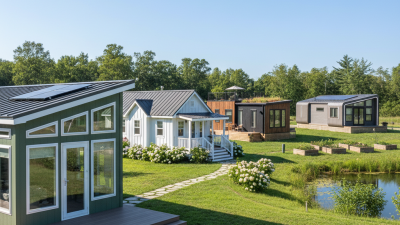
Chinese trailer park trailers are attracting global buyers because they combine practical layouts with competitive manufacturing costs. Many factories support customized floor plans, insulation levels, window sizes, and interior finishes. This flexibility helps developers adapt units to coastal, cold, or dry climates.

Experienced buyers usually inspect more than photographs. They review welding quality, chassis protection, electrical systems, plumbing access, and fire-resistant materials. A reliable manufacturer should provide drawings, load information, inspection records, and installation guidance. Factory visits or independent inspections can reveal details that online samples hide. Small issues matter, such as uneven cabinet doors or poorly sealed roof joints.

Compliance must be checked before production. Electrical standards, transport dimensions, energy rules, and local building requirements vary by market. Chinese suppliers can often adjust designs, but buyers remain responsible for confirming local approvals. Delivery planning also needs care. Port handling, inland transport, foundation preparation, and replacement parts affect the final cost. No supplier is perfect. Even a well-managed project may face delays or finish differences. Clear contracts, milestone inspections, and documented communication reduce these risks. A useful approach is ordering one sample unit before placing a larger order. That step may feel slower, but it exposes design problems early and gives global buyers practical evidence of durability.

Key Types and Features of Chinese Trailer Park Trailers

China Top Trailer Park Trailers for Global Buyers?

China’s trailer park trailers usually fall into four types: towable units, park-model homes, expandable trailers, and flat-pack cabins. Towable units suit seasonal sites and frequent relocation. Park models offer wider living rooms, full kitchens, and separate bedrooms. Expandable trailers create extra floor space through hydraulic or manual sections. Flat-pack cabins reduce shipping volume, but require careful assembly planning. Grand View Research valued the global modular construction market at about USD 91.8 billion in 2023. This figure supports continued interest in factory-built accommodation. Yet, modular does not always mean durable.

Look for galvanized steel chassis, corrosion-resistant fasteners, insulated sandwich panels, and sealed roof joints. Rock wool can improve fire resistance and sound control. EPS panels may reduce weight and cost, but performance varies by density. Check wind, snow, thermal, and electrical specifications for the destination country. The RV Industry Association reported 313,174 U.S. wholesale RV shipments in 2023. That market data signals demand, but it cannot represent every park or climate. One practical weakness remains. Some buyers compare prices before comparing maintenance access. That mistake becomes expensive after installation.

Tips: Request drawings, material certificates, wiring diagrams, and water-test records. Ask for spare seals and a repair method. Inspect one completed unit through video or an independent surveyor. Confirm transport dimensions, anchoring details, and local approval requirements before payment. Be cautious with impressive renders. Real hinges, drains, and roof edges matter more.

How Chinese Trailer Park Trailers Are Designed and Manufactured

China’s trailer park trailers are designed as transportable homes, not simply enlarged caravans. Designers study site access, wind loads, climate, and utility connections before drafting floor plans. Sleeping areas, kitchens, bathrooms, and storage must fit efficiently. Steel frames provide structural strength, while coated panels help resist moisture and corrosion. Insulated sandwich walls can improve comfort in hot or cold regions. Grand View Research valued the global modular construction market at about USD 91.75 billion in 2023, showing strong demand for factory-built spaces.

Manufacturing usually begins with computer-aided drawings and precise steel cutting. Workers then assemble the chassis, install floor systems, and complete electrical and plumbing routes. Wall panels, windows, cabinets, and interior finishes follow. Factory production can reduce material waste and improve consistency. However, the process is not flawless. Small gaps around windows can cause serious water problems later. Careful factories perform dimensional checks, insulation inspections, electrical testing, and water-leak tests before shipping.

The RV Industry Association reported 313,174 wholesale RV shipments in 2023, although that figure includes many vehicle categories beyond trailer park models. Buyers should therefore request product-specific evidence. Useful documents include structural calculations, wiring diagrams, fire-safety details, thermal data, and inspection records for the destination market. Export packaging also matters. Reinforced corners, protected glass, and moisture barriers can prevent damage during long transport. A cheaper trailer may still become expensive after installation changes, local utility adjustments, or unexpected repairs. Pricing alone is not enough.

China Top Trailer Park Trailers for Global Buyers? - How Chinese Trailer Park Trailers Are Designed and Manufactured

Typical reference ranges for manufactured trailer park and park-model trailer products. Final specifications vary by design, local regulations, chassis configuration, and destination market.
Design & Manufacturing Dimension Typical Specification or Range Why It Matters to Global Buyers
Primary application Holiday parks, seasonal resorts, campground accommodation, and short-term residential use The intended use determines the floor plan, durability level, utility package, and approval pathway.
Common trailer format Single-section, towable park model, or modular cabin-style trailer A towable chassis supports relocation, while cabin-style construction can provide a more residential interior.
Typical exterior length Approximately 8–13 m (26–43 ft), excluding tow equipment Length affects transport permits, turning clearance, site layout, room count, and shipping cost.
Typical exterior width Approximately 2.5–4.0 m (8.2–13.1 ft) Width is a major factor in road legality, escort requirements, delivery access, and interior usability.
Typical floor area Approximately 20–50 m² (215–538 ft²) Floor area helps buyers compare sleeping capacity, rental potential, and the number of units per site.
Typical occupancy Usually 2–6 occupants, depending on bedrooms and convertible furniture Occupancy affects bed layout, bathroom capacity, fire safety planning, and site revenue assumptions.
Chassis construction Welded structural steel frame with axle, suspension, wheels, brakes, and adjustable supports Chassis design influences towing stability, payload, serviceability, corrosion resistance, and regulatory compliance.
Typical gross vehicle mass Approximately 3,500–12,000 kg, depending on size, equipment, and local road rules Gross mass must match the axle rating, braking system, tow vehicle, route restrictions, and destination regulations.
Main structural materials Galvanized or coated steel chassis; light-gauge steel or timber wall framing; composite or metal exterior panels Material selection balances structural strength, weight, moisture resistance, maintenance, and lifecycle cost.
Insulation approach Mineral wool, glass wool, EPS, or XPS insulation; commonly about 50–100 mm in walls and roof Insulation thickness affects heating and cooling demand, condensation control, comfort, and climate suitability.
Roof design Low-slope or pitched roof with waterproof membrane, coated metal roofing, or insulated roof panels Roof drainage, wind resistance, snow loading, and maintenance requirements vary by destination climate.
Interior fit-out Bedrooms, compact kitchen, bathroom, living area, storage, water heater, lighting, and built-in appliances Factory-installed fit-out reduces on-site labor but requires careful confirmation of appliance ratings and replacement access.
Electrical system Destination-specific voltage, frequency, plug type, distribution board, circuit protection, and residual-current protection Electrical components must be selected for the importing market rather than adapted after arrival.
Plumbing configuration Fresh-water inlet, hot-water distribution, wastewater outlet, traps, valves, and optional holding tanks Connection points should match the park’s water pressure, drainage arrangement, and winterization requirements.
Manufacturing workflow Design approval → chassis fabrication → floor assembly → wall and roof construction → utilities → interior fit-out → inspection → packing A defined production sequence improves repeatability, quality control, traceability, and delivery planning.
Quality-control checkpoints Weld inspection, dimensional checks, leak testing, electrical testing, appliance testing, door and window operation, and final visual inspection Inspection records help identify defects before shipment and support warranty or regulatory documentation.
Transport preparation Protected openings, secured furniture, drained plumbing, isolated batteries, wrapped surfaces, and documented lifting or towing points Proper preparation limits transit damage and simplifies unloading, positioning, and commissioning at the park.
Documentation package General arrangement drawings, weight data, wiring diagrams, plumbing diagrams, user manuals, maintenance instructions, and packing lists Complete documentation supports customs clearance, installation, inspection, maintenance, and staff training.
Buyer’s pre-order checks Confirm local building, road transport, electrical, gas, fire, sanitation, accessibility, and site-foundation requirements Compliance is determined by the destination jurisdiction and site conditions, not only by the factory’s standard design.
Important: The figures above are general industry reference ranges for comparison and preliminary planning. Buyers should obtain project-specific drawings, verified weights, engineering calculations, test records, and destination-market compliance documents before placing an order.

What Global Buyers Should Check Before Importing Trailers

China Top Trailer Park Trailers for Global Buyers?

Before importing park trailers, global buyers should verify the product’s intended use, road status, and destination requirements. A unit designed for a fixed park may not qualify as a road trailer. Check dimensions, gross vehicle weight, axle ratings, braking systems, lighting, and coupling specifications. Request drawings, test records, material certificates, and a complete packing list. Local conformity rules can differ sharply, even between neighboring markets.

The RV Industry Association reported 313,174 U.S. RV shipments in 2023, showing a sizeable but changing recreational vehicle market. Demand does not remove inspection risks. Examine roof seams, window seals, floor moisture, insulation, and corrosion protection before shipment. Small defects become expensive after ocean transport. UNCTAD’s Review of Maritime Transport notes that more than 80% of global merchandise trade moves by sea, so packaging and container loading deserve serious attention. Confirm moisture barriers, lifting points, tie-down locations, and spare-part availability.

Ask for the VIN or serial-number system, warranty limits, factory inspection procedures, and after-sales response times. Clarify Incoterms, insurance responsibility, port charges, and delivery access. I still miss small details sometimes. A written pre-shipment inspection helps. Buyers should also compare real payload, not only interior space. A cheap trailer can become costly when certification, modification, storage, and local service are added. Verify every document with an independent inspector before payment.