How to Build Your Own Big Container Home for Affordable Living?
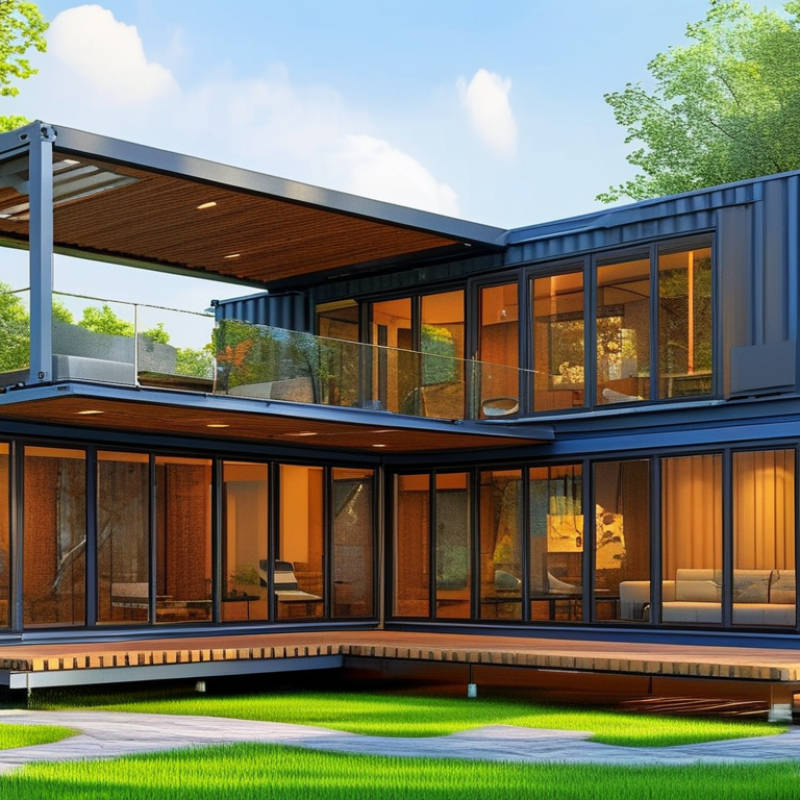
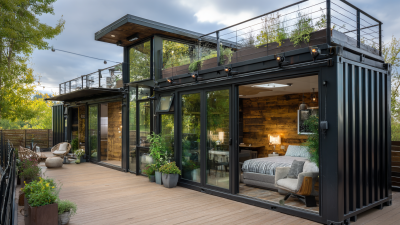
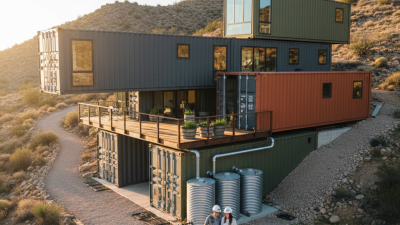
Building a Big Container Home can be an innovative solution for affordable living. These homes, made from repurposed shipping containers, offer unique design possibilities. Many people are drawn to the idea of sustainable living through eco-friendly materials.
However, constructing a Big Container Home is not without its challenges. Choosing the right containers, addressing insulation issues, and ensuring stability are crucial. It requires careful planning and design expertise. Some might find it daunting to navigate building codes and permits.
Visualize your dream space. With urban areas facing housing shortages, a Big Container Home can stand out. Yet, it’s important to reflect on potential pitfalls. Research thoroughly to avoid common mistakes. Exploring this journey can lead to a rewarding living experience.
Understanding Container Homes: An Overview of Affordable Living Solutions
Container homes are gaining popularity as a viable solution for affordable living. They offer a unique blend of sustainability and cost-effectiveness. By repurposing shipping containers, homeowners can create stylish living spaces. These homes can be customized to reflect personal style. They can be designed to fit various environments, from urban settings to rural landscapes.
Building a container home requires careful planning. Users must consider local building codes and zoning regulations. Not every area allows container homes, which can be a major hurdle. Additionally, insulating containers effectively is crucial for comfort. While they are durable, insulation helps regulate temperature throughout the year. Exploring different floor plans can be rewarding but also challenging. Many find the initial layout difficult.
Funding also plays a significant role. Container homes can save money upfront, but unexpected costs can arise. Planning for plumbing, electrical setup, and permits is essential. These aspects can exceed initial estimates. Taking time to research and consult with professionals is beneficial. This journey can be enlightening but also discouraging at times. Emphasizing both the unique aspects and potential pitfalls can lead to a more informed decision.
Advantages of Using Shipping Containers for Housing: Cost-Effectiveness and Sustainability
Building a container home can be an affordable and sustainable choice. Shipping containers are sturdy, reusable, and often cost less than traditional building methods. According to a study by the National Association of Home Builders, homeowners can save up to 30% on construction costs when using containers. This might appeal to those on a budget.
Containers can have a lifespan of 25 years or more. They can be easily modified for insulation and energy efficiency. The materials also promote sustainability as they recycle surplus shipping containers, reducing waste. Designing with eco-friendly systems, such as solar panels and rainwater collection, enhances sustainability further.
Tip: Consider local zoning laws before beginning. Some areas have strict regulations regarding container homes. Proper planning can save time and resources. Using quality insulation is also crucial. It prevents condensation and maintains temperature, ensuring comfort year-round. While container homes offer many benefits, potential builders should be aware of structural challenges. Adequate support and foundation work are necessary to prevent future issues.
Key Steps in Designing Your Container Home: Planning and Layout Considerations
When designing your own container home, planning and layout are crucial. Start by assessing your needs.
Consider the number of rooms you want, their sizes, and their functions. Think about how you will use the space daily.
A good layout promotes efficiency and comfort.
For instance, an open floor plan can create a spacious feel.
Next, pay attention to the orientation of your container home. Positioning matters for natural lighting and energy efficiency.
Large windows can enhance daylight while helping with ventilation.
If you live in a colder climate, consider adding insulation to the walls and ceiling.
This will prevent heat loss during winter months.
Reflect on the practicality of your design. You might dream of a luxurious kitchen, but it requires careful planning to fit everything in.
Be open to compromises. Maybe a smaller kitchen will allow for a larger living area.
Remember to think about your budget.
Containers can be affordable, but costs can escalate if you go overboard on design elements.
Keep your vision realistic and functional.
Essential Building Regulations and Permits for Container Home Construction
When considering building a container home, understanding essential regulations is crucial. Each region has specific codes governing construction. The International Code Council emphasizes adherence to local zoning laws. These laws can dictate minimum lot sizes and setbacks from property lines. For instance, a survey from the National Association of Home Builders notes that 62% of communities have restrictions on alternative housing types, including container homes.
Obtaining permits is another important step. The process can be tedious, often requiring a comprehensive plan submission. A study by the American Planning Association found that approximately 30% of permit applications face delays due to incomplete documentation. Not addressing these requirements can lead to costly fines or project halts. Be prepared for potential hurdles, and ensure your plans are well-documented.
Local building departments often differ in their receptiveness to container homes. Some may embrace innovation, while others might resist change. Building codes may require additional reinforcements or specific insulation materials. A report from the Department of Housing and Urban Development highlighted that container homes can meet standards but often require diligent modifications. Awareness and preparation can make a significant difference in your building journey.
Monthly Cost Comparison for Building a Container Home
This chart compares the estimated monthly costs associated with building a container home versus traditional housing options.
Cost Breakdown: Analyzing the Expenses for Building a Container Home
Building a container home can be a cost-effective solution for affordable living. However, understanding the expenses is crucial. The average cost of a used shipping container ranges from $1,500 to $5,000. Location influences prices. Transportation can add another $1,000 or more, depending on the distance.
Beyond the container itself, you’ll need to consider insulation, plumbing, and electrical work. Insulation materials can cost between $1,000 and $3,000. Basic plumbing and electrical setups can range from $2,000 to $5,000. DIY options may save money, but they require skills and time. Hiring professionals can increase costs but ensure quality and compliance with local codes.
Don't overlook permits and site preparation. Permits can vary significantly, sometimes exceeding $2,000. Land costs may also surprise you; location affects price. These factors can lead to budget oversights. It's wise to keep a buffer for unexpected expenses. The journey is rewarding yet challenging. Each decision matters.
Cost Breakdown: Analyzing the Expenses for Building a Container Home
| Expense Category |
Estimated Cost ($) |
| Shipping Containers (2 units) |
4,000 |
| Foundation Preparation |
2,500 |
| Insulation and Interior Finishing |
6,000 |
| Plumbing and Electrical Work |
3,500 |
| Roofing and Siding |
4,000 |
| Appliances and Furnishings |
2,500 |
| Permit and Inspection Fees |
1,000 |
| Contingency Budget (10%) |
2,000 |
| Total Estimated Cost |
$25,500 |