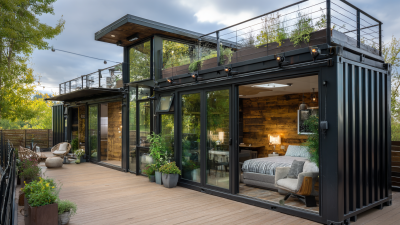
How to Build a Big Container Home on a Budget?
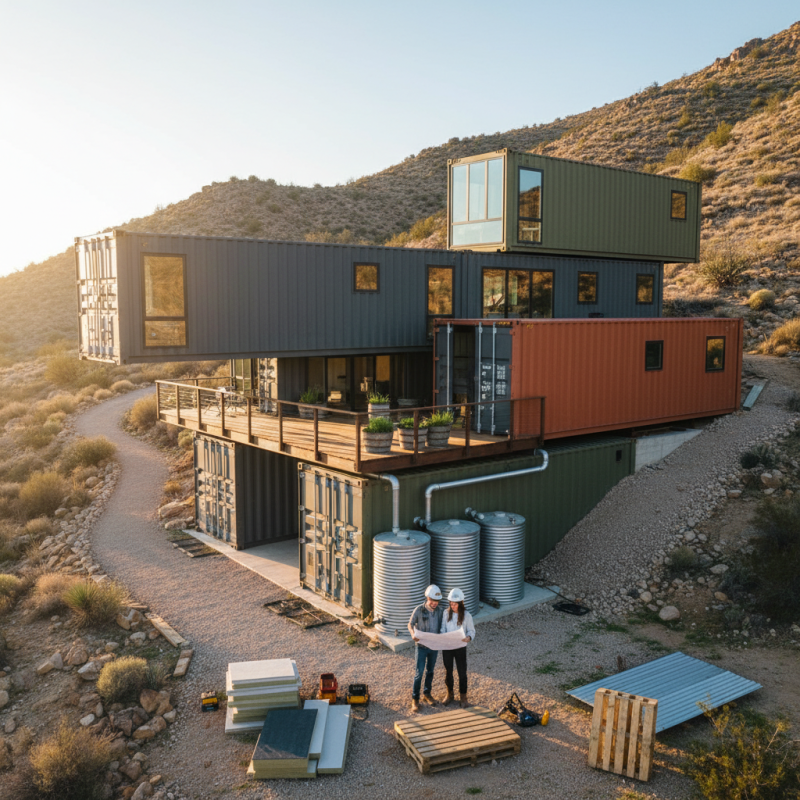
Building a Big Container Home on a budget can be an exciting journey. Experts in the industry encourage innovative approaches. One noted expert, Alex Garcia, emphasizes, "Creativity is key when working with container homes." His insight highlights the potential of using affordable materials and designs.
When planning your Big Container Home, consider the layout. Maximizing space is essential. Think about how every inch can serve a purpose. This approach not only saves costs but also enhances functionality. Establish a clear vision while being open to adjustments.
Reflecting on your goals is also important. Budget constraints can lead to fewer choices. But these limitations can inspire creativity. Rather than feeling restricted, embrace new ideas that align with your budget. Building your Big Container Home is more than just a project. It's a chance to create a personal space that reflects your style and values.
Choosing the Right Shipping Containers for Your Home Project
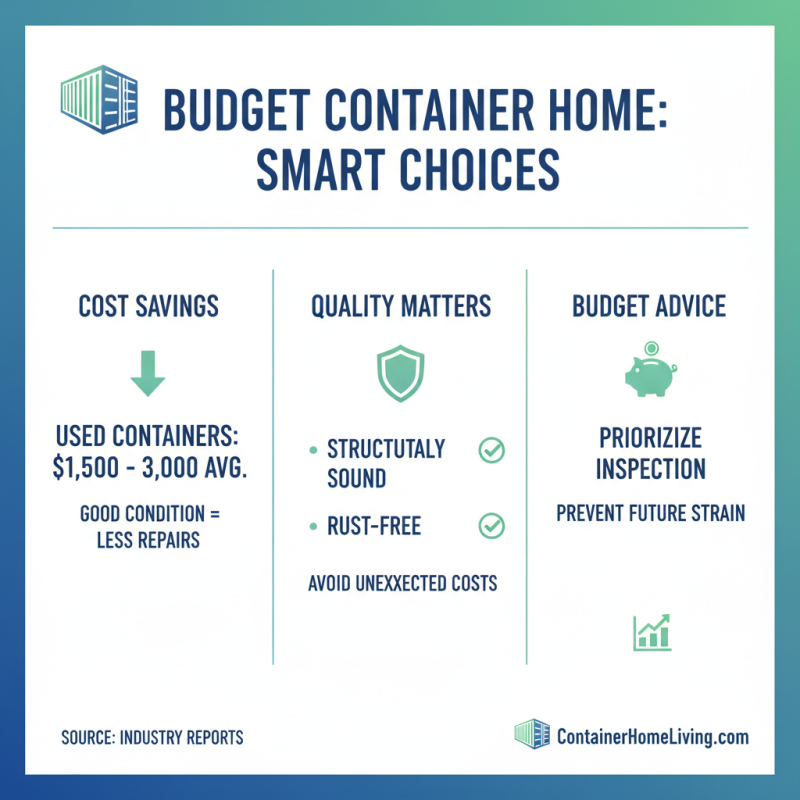
Choosing the right shipping containers is crucial for building a big container home on a budget. According to industry reports, the average cost of a used shipping container ranges from $1,500 to $3,000. Selecting containers in good condition can save you significant costs down the road. Look for containers that are structurally sound and free from rust. Poor quality containers may lead to unexpected repairs, which can strain your budget.
**Tip:** Inspect containers thoroughly before purchase. Check for leaks and structural integrity. A small initial investment in quality can prevent larger expenses later. Modify standard 20-foot or 40-foot containers. They offer flexibility in layout and design. Consider using multiple containers for a spacious layout. However, keep in mind that more containers mean higher overall costs.
It’s also essential to evaluate local building regulations. Some areas have strict codes regarding container homes. Not all municipalities might allow these structures. Researching this can save you time and money. Ignoring regulations leads to frustrations and potential fines. Finding your ideal container involves patience. Sometimes, the best container isn’t the one that looks perfect but the one that meets your basic needs.
Planning Your Container Home Layout: Maximizing Space and Functionality
When planning your container home layout, think about maximizing every square inch. Use open-concept designs to create an airy feel. Place the kitchen adjacent to the living area to promote social interaction. Consider multi-functional furniture, like a couch that converts into a bed. This can free up space for other activities.
Don’t forget about storage solutions. Shelves and wall-mounted units are great. They take advantage of vertical space while avoiding clutter. However, be cautious with over-designing. Too many elements can create a cramped atmosphere. Simplicity often leads to better functionality. Reflect on your everyday needs. What spaces do you truly use?
Lighting plays a crucial role as well. Natural light can make rooms feel larger. Strategically placed windows enhance openness. But sometimes, the layout may not allow for enough light. Be prepared to adjust your design plans if needed. Balancing aesthetics with practicality is essential. Your container home should reflect your needs while being cozy.
Budgeting for Materials and Labor: Cost-Effective Strategies
Building a container home on a budget is a rewarding challenge. Planning and budgeting wisely can make this dream feasible. You can keep costs low by choosing inexpensive materials and labor options. For example, using recycled materials can lead to significant savings. Local suppliers often have good deals on used shipping containers.
When budgeting for labor, DIY projects can reduce costs. If you're handy, consider doing some work yourself. Hiring skilled labor only for complex tasks can save money. Remember to research and compare prices. It’s crucial to balance quality and cost.
Tips: Use online platforms to find tools. You might discover low-cost rentals. Group buying can also lead to discounts. Look for bulk deals on materials. Planning ahead can prevent overspending. Keep track of all expenses to avoid surprises later.
Don't skip permits or inspections. While they seem like extra costs, they can save future headaches. An overlooked detail can lead to expensive fixes later on. Be mindful of your local regulations to keep your project on track.
How to Build a Big Container Home on a Budget? - Budgeting for Materials and Labor: Cost-Effective Strategies
| Material/Labor |
Estimated Cost ($) |
Notes |
| Shipping Containers |
2,000 - 5,000 |
Price varies based on condition and size |
| Foundation |
1,500 - 3,000 |
Concrete slab recommended |
| Insulation |
1,000 - 2,500 |
Foam board is cost-effective |
| Plumbing |
1,000 - 2,000 |
DIY options available |
| Electrical Work |
1,000 - 2,500 |
Consider hiring professionals |
| Interior Finishing |
2,000 - 4,000 |
Use affordable materials like plywood |
| Landscaping |
500 - 1,500 |
DIY can save costs |
DIY vs. Professional Help: Deciding on Construction Methods
When considering building a big container home, the choice between DIY and hiring professionals stands out. DIY projects can feel empowering. You save money and enjoy personal satisfaction. However, it’s essential to weigh the potential pitfalls. A 2022 report from the National Home Builders Association found that 70% of DIY projects exceed initial budgets due to unforeseen issues.
Professional help can bring expertise to your project. Companies can handle permits, structural integrity, and safety codes. These experts often provide warranties, which offer peace of mind. A study showed that homes built with professional assistance increased in value by 15% compared to DIY builds. This highlights a crucial factor: long-term investment.
Tip: Research local contractors. Get multiple quotes for better comparisons. Knowledge helps prevent unexpected expenses.
While DIY seems attractive, mistakes can be costly. Insufficient insulation and improper plumbing are common errors. These can lead to increased energy costs over time. Some DIY enthusiasts later regret not hiring experts for crucial tasks.
Tip: Consider your skills honestly. Some tasks are best left to professionals, especially electrical and plumbing work. Balancing your budget with skill level is vital.
Finishing Touches: Affordable Interior Design and Utilities Solutions
Finishing the interior of a container home can be both challenging and exciting. Many DIY enthusiasts are looking for affordable ways to design their space without sacrificing style. A recent industry report highlighted that 80% of homeowners prioritize aesthetics and functionality when decorating. With a budget in mind, it's crucial to focus on cost-effective solutions.
Choosing the right materials is key. For flooring, consider using laminate or vinyl, which can cost between $1 to $3 per square foot. These options mimic the look of wood but are much cheaper. Furniture can be sourced from thrift stores or online marketplaces. This not only saves money but also supports recycling efforts. Adding plants and artwork can elevate the space without breaking the bank. Research shows that greenery can improve air quality, which benefits mental health.
Utilities also play a significant role in container homes. Installing solar panels can cut electricity costs significantly, with potential savings of up to 70%. However, the initial investment can be daunting. Assess which utilities are essential versus desirable. Taking time to reflect on needs can lead to smarter choices. Balancing frugality with creativity is vital. Embrace imperfections; they often tell the most compelling stories.
Cost Breakdown for Building a Container Home on a Budget