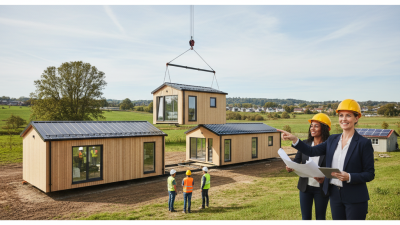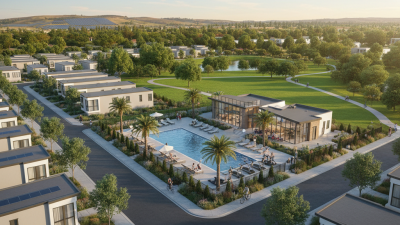
In today’s fast-paced world, affordable housing is a significant concern for many. Modular Home Designs offer innovative solutions for those seeking budget-friendly living options. These homes are not only cost-effective but also versatile in design and functionality. They can cater to various needs and preferences, making them appealing to a wide audience.
One can explore an array of styles, from sleek modern aesthetics to classic designs. Each Modular Home Design provides unique features that enhance comfort and practicality. However, it's essential to consider the trade-offs. Some designs may lack personalization or flexibility in expansions. This aspect can lead to dissatisfaction later on.
Ultimately, as we dive into the 10 best Modular Home Designs, we should reflect on what makes a home truly feel like one. Is it the space, the layout, or the feeling of belonging? These factors play a crucial role in choosing the right modular home. Let’s uncover these remarkable designs while acknowledging that perfection lies in the eye of the beholder.
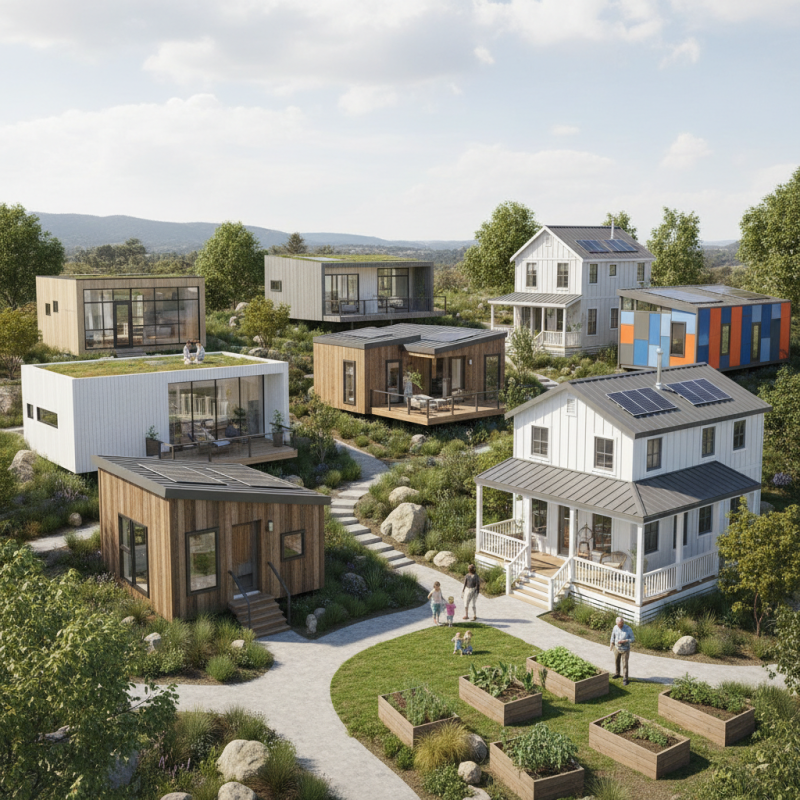
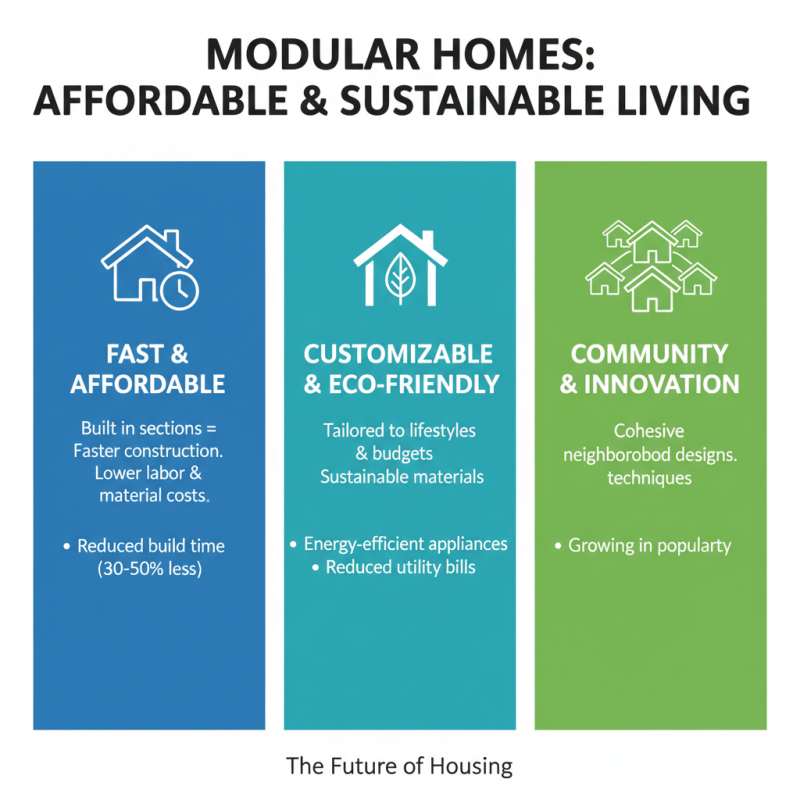
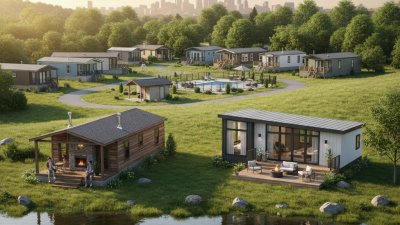
Modular homes are becoming increasingly popular for affordable housing. These homes are built in sections, allowing for faster construction and lower costs. They can be customized to fit various lifestyles and budgets. Many designs incorporate eco-friendly materials, which can reduce energy costs in the long run. Living in a modular home can create a sense of community, as neighborhoods often feature similar styles.
However, these homes may not be perfect. Limited designs can sometimes discourage creativity. Some people find that smaller living spaces feel cramped. It’s essential to choose a layout that truly meets your needs. There are complexities with local regulations, which can delay the construction process.
Despite these challenges, modular homes offer unique solutions for many. They can serve as secondary residences or starter homes. Affordability is a significant factor, yet it’s important to reflect on personal priorities. Will you sacrifice space for savings? The answer may shape your living experience significantly.
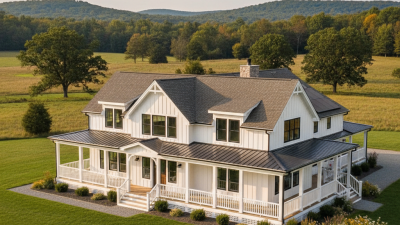
Modular homes are an excellent option for budget-conscious buyers. These homes offer a range of designs that are both appealing and practical. Studies indicate that modular homes can cost up to 20% less than traditional homes. They use factory production methods to reduce waste and labor costs. This efficiency translates to savings for the buyer. Many designs prioritize energy efficiency, incorporating insulation and sustainable materials. These features promise lower utility bills over time.
A modular home typically includes flexible layouts, allowing for customization. Buyers can choose from various floor plans and finishes. This flexibility is essential for those wanting both style and affordability. Economic reports highlight that many modular home buyers are seeking smaller, more compact living spaces. These homes often range from 400 to 1,600 square feet. Compact living not only reduces costs but also encourages a sustainable lifestyle.
However, while prices are lower, some buyers may face challenges with local zoning laws. Not all areas accommodate modular designs easily. Also, reselling a modular home might take longer in certain markets. These considerations are vital for prospective buyers. It's wise to weigh the benefits against potential hurdles in the purchasing process.
Modular homes offer significant cost savings compared to traditional builds. They are prefabricated in sections, reducing construction time and labor costs. The streamlined process means lower expenses and quicker occupancy. This makes modular homes an attractive option for budget-conscious buyers.
One of the key benefits is the reduced waste. Unlike traditional homes, modular designs use materials efficiently. This can lead to considerable savings during the building phase. However, the initial cost might still seem high to some. Homebuyers may worry about quality or resale value.
Customization is essential. Many modular designs allow homeowners to choose layouts and finishes. But not all options will be affordable. It's crucial to weigh desires against budget constraints. Some homeowners might face regrets if they overspend on non-essential features. Balancing cost with personal taste can be challenging.
| Design Name | Square Footage | Number of Bedrooms | Estimated Cost ($) | Energy Efficiency Rating |
|---|---|---|---|---|
| The Eco | 900 | 2 | $150,000 | A+ |
| Modern Haven | 1200 | 3 | $180,000 | A |
| Compact Living | 600 | 1 | $110,000 | A+ |
| Suburban Retreat | 1500 | 4 | $220,000 | B+ |
| Nature View | 1300 | 3 | $200,000 | A+ |
| The Classic | 1000 | 2 | $160,000 | B |
| Urban Loft | 800 | 2 | $145,000 | A |
| Lake House | 1400 | 3 | $250,000 | A+ |
| The Farmhouse | 1600 | 4 | $240,000 | B+ |
| Contemporary Box | 1100 | 2 | $175,000 | A |
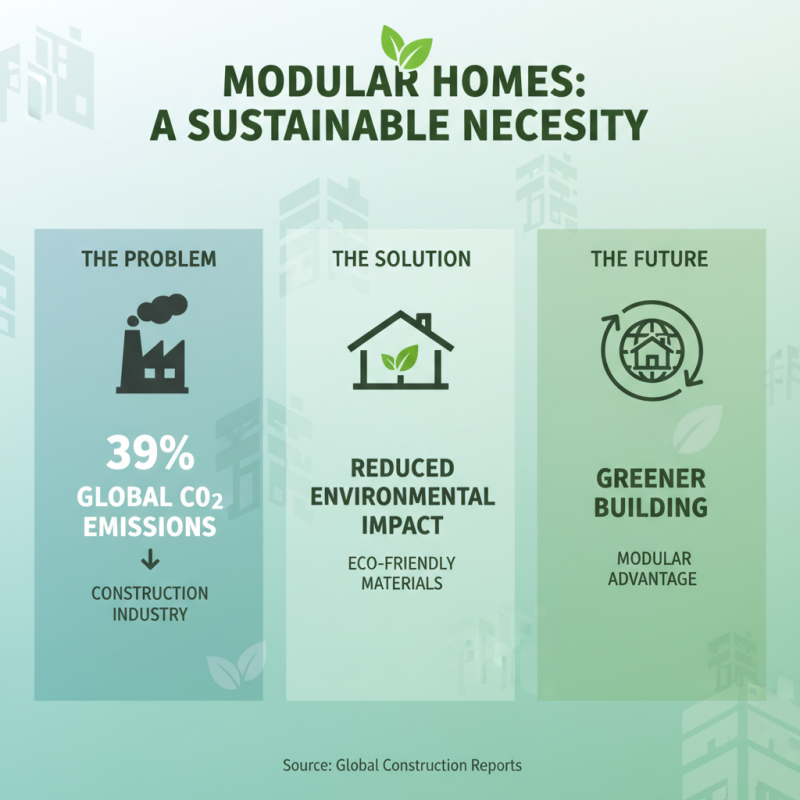
Sustainability in modular homes is not just a trend. It’s a necessity. Reports indicate that the construction industry contributes about 39% of global CO2 emissions. Modular homes offer a solution to this pressing issue. By using eco-friendly materials, they reduce the environmental impact significantly.
Many modular homes utilize recycled materials, which helps in cutting waste. For instance, steel, an often-used material, can be recycled multiple times. A study from the National Association of Home Builders reveals that 90% of construction waste can be minimized through modular building practices. This approach not only helps the environment but also saves costs in the long run.
Energy-efficient designs are crucial too. Features like solar panels and high-performance insulation are increasingly common in modular homes. These elements can cut energy consumption by up to 30%. However, many homeowners still overlook the need for routine maintenance to keep these systems efficient. Regular checks and updates are essential to maximize their benefits. Balancing modern living with sustainability remains a challenge, but modular homes provide viable options.
Customization is the heart of modular home design. Homeowners can choose layouts that fit their unique lifestyles. This flexibility allows for the incorporation of personal touches. For instance, a family might want an open kitchen concept. Meanwhile, another might prefer separate dining spaces. These differences expand the appeal of modular homes.
Individual needs drive the customization options. Many designs include space for home offices or playrooms. Choosing colors, fixtures, and finishes lets owners reflect their personalities. However, not every customization can be executed flawlessly. Some features may clash with overall building codes or site limitations. Homeowners should remain realistic about their options.
Investing in a modular home, you often face unexpected challenges. Adjustments might increase costs or extend timelines. It's crucial to understand the balance between desire and practicality. While customization is exciting, it can sometimes lead to regrets later on. Careful planning is essential for making choices that suit future needs.