Best Farmhouse Modular Homes for Sustainable Living Today?
In an era where sustainable living is crucial, "Farmhouse Modular Homes" have emerged as an excellent solution. According to architect Jane Thompson, a leading expert in sustainable housing, "Farmhouse Modular Homes blend tradition with modern eco-friendly technology." This statement encapsulates the growing trend of combining style with sustainability.
Farmhouse Modular Homes are designed for efficiency and comfort. They often feature open layouts and natural materials, appealing to those who appreciate both aesthetics and environmental responsibility. The modular aspect allows for customizable designs, which can adapt to various landscapes while minimizing waste. However, potential homeowners should consider the challenges, such as initial cost and zoning regulations, which can complicate the building process.
The pursuit of sustainable living through Farmhouse Modular Homes is not without its hurdles. Many are still unaware of the benefits these homes offer. As the industry evolves, there is a need for more education and awareness. Embracing imperfection in this journey can lead to better solutions for our environment and lifestyles.
Overview of Farmhouse Modular Homes
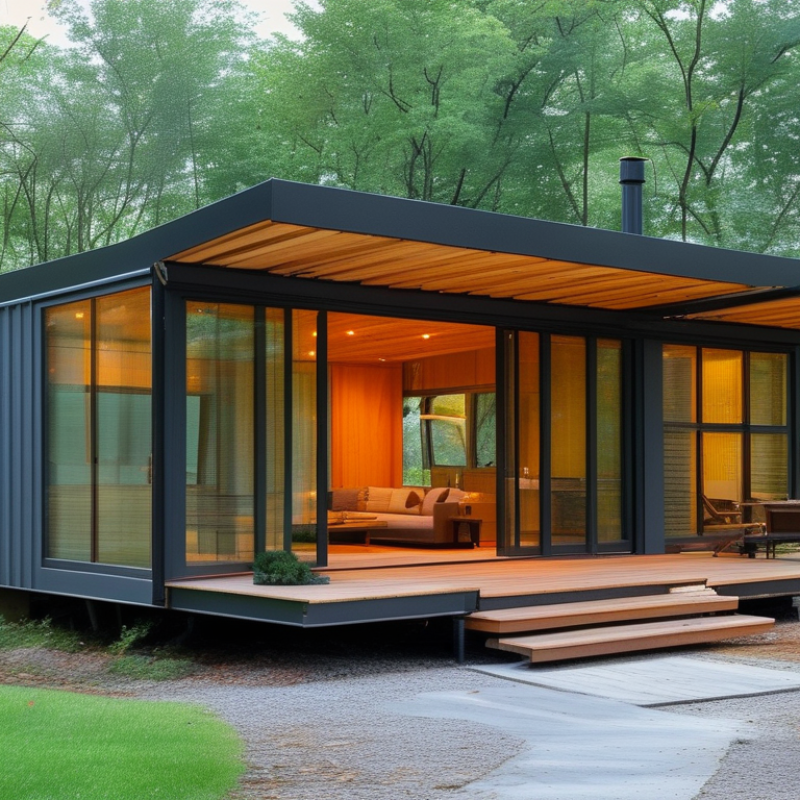
Farmhouse modular homes have gained popularity for their efficient design and sustainable living attributes. These homes are pre-fabricated, allowing for quicker construction and reduced waste. According to recent industry reports, modular homes can produce up to 20% less construction waste compared to traditional homes. This is significant for eco-conscious homeowners seeking efficient and responsible housing solutions.
One notable aspect of farmhouse modular homes is their versatility. They can blend into various landscapes while providing modern comforts. Many designs focus on energy efficiency, incorporating features like high-performance insulation and energy-efficient windows. Data shows that energy-efficient homes can reduce utility costs by up to 30%. However, buyers should remain cautious about the quality of materials used, as not all modular homes are created equal.
Tips: When considering a modular home, evaluate the insulation quality and energy systems. Look for certifications that indicate environmental standards. Research various builders to find reputable companies with experience in sustainable designs. Remember, while modular homes offer many benefits, a poor choice in builders or materials can lead to long-term issues. Prioritize thorough research to ensure your investment meets your sustainability goals.
Key Features of Sustainable Farmhouse Designs
Sustainable farmhouse designs focus on harmony with nature. They prioritize
efficient use of resources. This approach often includes passive solar designs, maximizing natural light
and reducing energy consumption. Large windows and open spaces enhance airflow and warmth. These features lead to
lower heating and cooling costs.
Materials play a crucial role in sustainable housing. Many designs use reclaimed wood, recycled metal, and eco-friendly insulation.
These choices not only reduce waste but also minimize environmental impact. Additionally, living roofs and
rainwater harvesting systems are becoming popular. They enhance biodiversity and conserve water.
Yet, even the best designs can face challenges. Local regulations might limit certain eco-friendly features. Budget constraints may restrict material options.
It’s essential to plan carefully and consider both aesthetics and functionality. Exploring these barriers can lead to innovative solutions.
Balancing sustainable practices with practical limitations remains a critical conversation in the industry.
Top 5 Eco-Friendly Materials for Modular Homes
When considering modular homes, eco-friendly materials play a crucial role in sustainable living. These materials not only reduce the environmental impact but also enhance energy efficiency. One impactful choice is reclaimed wood. It adds character and warmth to any space while diverting waste from landfills. Its natural beauty brings a rustic charm to modern designs.
Another option is bamboo. This rapidly renewable material grows quickly and absorbs CO2, making it an excellent choice for flooring and cabinetry. Its unique aesthetics can elevate the overall design of a modular home. Recycled metal is also worthy of mention. It is durable and often used for roofing and exterior finishes, providing a sleek look that ages well.
Insulation materials like sheep's wool and cellulose deserve attention too. They offer effective thermal control. Sheep's wool is sustainable and regulates moisture, while cellulose, made from recycled paper, is energy-efficient. It’s essential to evaluate each material carefully. While they may be eco-friendly, cost and availability can be challenging. Ensure that the choices align with your overall vision for a sustainable and stylish home.
Best Farmhouse Modular Homes for Sustainable Living Today
Cost Considerations for Building Farmhouse Modular Homes
Building a farmhouse modular home can be an exciting venture. However, cost considerations play a crucial role in the planning phase. Modular homes often offer more affordability than traditional construction. Prices can vary based on materials, design, and location. Understanding these factors is essential to avoid unexpected expenses.
Tip: Research local building codes and zoning laws. Each area has specific regulations that can impact your building costs. Additionally, plan for potential land clearing and utility access fees, which can quickly add to your budget.
Another cost factor is energy efficiency. Investing in better insulation and energy-saving appliances might require a higher initial outlay. However, these choices can lead to significant savings in the long run. Weigh the short-term costs against long-term benefits carefully.
Tip: Create a detailed budget. Compile estimates for materials, labor, and permits to get a realistic picture. Unexpected costs, like design changes or site preparation, can arise, so prioritize a flexible budget. Being prepared will help you navigate the financial aspects with confidence.
Best Farmhouse Modular Homes for Sustainable Living Today
| Home Model |
Size (sq ft) |
Estimated Cost ($) |
Energy Efficiency Rating |
Key Sustainable Features |
| Modern Farmhouse |
1,500 |
145,000 |
A+ |
Solar panels, rainwater harvesting |
| Rustic Retreat |
1,200 |
125,000 |
A |
Recycled materials, energy-efficient HVAC |
| Classic Farmhouse |
1,800 |
155,000 |
A++ |
Green Roof, sustainable wood sourcing |
| Contemporary Farmhouse |
1,600 |
150,000 |
A+ |
Energy-efficient windows, passive solar design |
Benefits of Sustainable Living in Modular Farmhouses
Sustainable living in modular farmhouses offers numerous benefits. These homes are designed for efficiency and comfort. They use less energy and can reduce your carbon footprint significantly. The use of sustainable materials also ensures that your living space is healthier.
Building a modular farmhouse often means quicker assembly. Prefabrication can lead to fewer waste and lower costs. It can be frustrating when components do not fit perfectly, but a bit of adjustment might be necessary. This process often encourages homeowners to become more hands-on, fostering a deeper understanding of sustainable practices.
Tips for sustainable living in modular homes include using energy-efficient appliances. Consider solar panels for renewable energy. Also, try to incorporate natural light into your designs. Embrace landscaping that supports local wildlife. It’s essential to reflect on your choices and how they impact the environment. Small improvements can lead to significant changes over time.