Discover the Benefits of Space Capsule Houses for Modern Living?
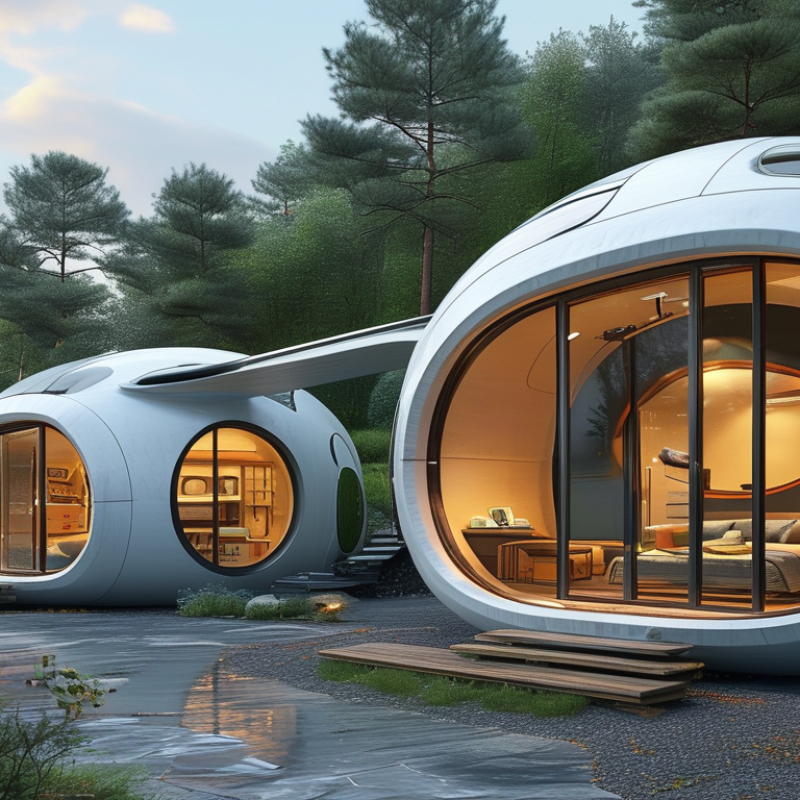
In recent years, the concept of the "Space Capsule House" has gained attention. These innovative living spaces offer a unique approach to modern living. Their design emphasizes simplicity and functionality. Often resembling a futuristic pod, they redefine the idea of home.
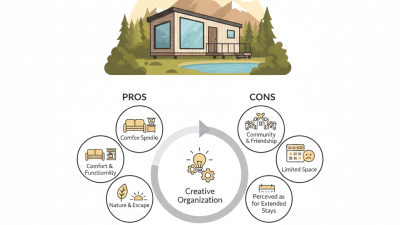
Space Capsule Houses are not just about aesthetics. They are energy-efficient and can adapt to various environments. Many are built with sustainable materials, highlighting eco-conscious living. However, potential challenges exist. The size can be limiting for families or those with many possessions.
While embracing minimalism, some may find the transition difficult. The compact nature invites reflection about what truly matters. Living in a Space Capsule House promotes an intentional lifestyle, but it requires adjustment. Overall, these homes represent a bold step toward sustainable and innovative living solutions.
What are Space Capsule Houses and Their Design Features?
Space capsule houses represent a unique approach to modern living. They are compact, often cylindrical structures designed to maximize space efficiency. According to a report from the National Association of Realtors, tiny homes, including space capsule designs, have seen a rise in popularity, with over 30% of buyers considering them in recent years. This shift reflects a growing trend towards minimalism and sustainable living.
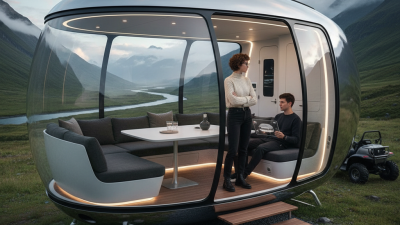
The design features of space capsule houses are truly innovative. Typically, these homes include multifunctional furniture, built-in storage, and large windows to enhance natural light. Data from architectural studies shows that homes with natural light can improve occupants' mood and productivity by up to 20%. However, this design comes with challenges. The limited space may not accommodate families comfortably, raising questions about long-term viability.
While capsule homes can promote sustainability, they may also entail trade-offs. For instance, residents must adapt to a simpler lifestyle, which can be a struggle for some. Furthermore, the lack of customization options may disappoint buyers seeking personal touches in their homes. Overall, space capsule houses challenge conventional living while inviting reflection on what home truly means.
Advantages of Space Capsule Houses in Sustainable Living
Space capsule houses are emerging as a convenient solution for modern living, especially in the realm of sustainability. These compact homes are designed to minimize energy consumption. Their circular shape allows for efficient airflow, reducing the need for excessive heating or cooling. Many are built with eco-friendly materials, which lessens their overall environmental impact.
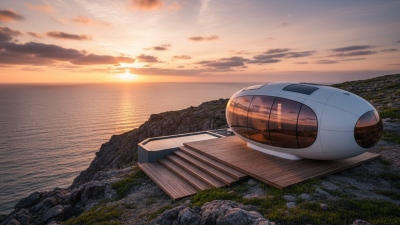
One of the biggest advantages is their ability to integrate into various landscapes. Whether in urban or rural settings, these homes can be installed with minimal disruption to the environment. Their small footprint encourages a minimalist lifestyle. Living in a space capsule often means less stuff, leading to less waste. However, downsizing can be a challenge for many.
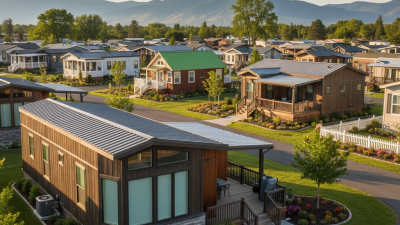
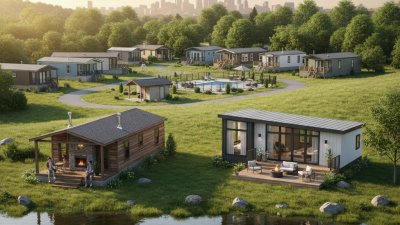
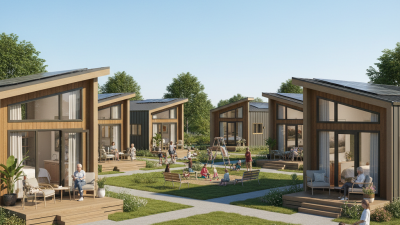
Community living options are also evolving with space capsule houses. They can be grouped together efficiently, forming eco-villages. These communities promote shared resources and reduce individual consumption. This model encourages social interaction and a sense of belonging. Yet, it requires individuals to adapt to sharing more than they might be comfortable with. Balancing personal space with communal living may not be easy for everyone.
Innovative Materials Used in Constructing Space Capsule Houses
Space capsule houses represent a unique approach to modern living. These innovative structures are designed using advanced materials like reinforced aluminum and carbon fiber composites. These materials are lightweight yet strong, offering durability against various weather conditions. The sleek, aerodynamic shapes of these homes not only look futuristic but also enhance energy efficiency.
One significant advantage of space capsule houses is their modular design. This allows for easy assembly and customization. Builders can create a home tailored to individual needs using interlocking components. Moreover, the use of sustainable materials is on the rise, promoting eco-friendly living. It's essential to consider local environmental impacts, though. Reflecting on this can lead to better construction choices.
For those considering a space capsule home, remember to plan for insulation. Proper insulation is critical for maintaining a comfortable interior. Also, explore options for solar panels to enhance energy independence. Make sure to seek out reliable sources for materials. This ensures you make informed decisions throughout the building process. Think critically about the long-term maintenance and how emerging materials can affect your investment.
How Space Capsule Houses Enhance Efficiency and Minimalism
Space capsule houses offer a unique approach to modern living, exemplifying efficiency and minimalism. Within their compact design, these homes maximize usable space, promoting a clutter-free lifestyle. The circular aesthetic creates a cozy atmosphere, allowing residents to focus on essentials. This architectural style draws inspiration from space technology, emphasizing functionality without sacrificing comfort.
Tips for embracing this lifestyle: Start by decluttering your belongings. Think about what you truly need. Consider investing in multifunctional furniture. This can save space and enhance usability. Embrace natural light to make your home feel larger.
While living in a space capsule house promotes simple living, it challenges the conventional notion of comfort. Some may find the small space limiting. Adjusting to such a lifestyle requires introspection and flexibility. Embracing minimalism means reassessing personal values and priorities. It’s an ongoing journey, not a destination.
Potential Challenges and Considerations for Space Capsule Living
Living in space capsule houses can be appealing, but it comes with challenges. Space capsules are compact and efficient. Yet, the limited space for personal belongings can be difficult. Homeowners may struggle to find adequate storage. There’s also minimal room for customization, which might stifle creativity.
The isolation of these homes can lead to feelings of confinement. Natural light and ventilation are often reduced. This could affect residents' mood and well-being. Moreover, the structural materials used might not always provide sufficient insulation. Colder climates could make living uncomfortable without proper heating solutions.
Transitioning to this lifestyle requires serious consideration. Not everyone can adapt to a simplified life. It's essential to evaluate personal needs and preferences before making the move. Space capsule living promotes sustainability, but it may not suit everyone. Potential residents should reflect on whether they can embrace these limitations.