Top Benefits of Sea Can Homes: Affordable, Sustainable Living Solutions
In recent years, the construction industry has been witnessing a significant shift towards innovative housing solutions that prioritize affordability and sustainability. Among these solutions are "Sea Can Homes," which repurpose shipping containers into functional and stylish living spaces. According to a report by the World Economic Forum, the global housing crisis has compelled many to seek alternative housing methods, with container homes emerging as a viable option. These homes not only address the urgent need for affordable housing but also contribute to reducing environmental impacts, in line with sustainable living practices.
The appeal of Sea Can Homes lies in their versatility and cost-effectiveness. A study from the National Association of Home Builders indicates that the average cost of building a traditional single-family home can exceed $300,000, whereas constructing a container home can be as low as $50,000. This dramatic cost differential makes Sea Can Homes an attractive choice for young families, individuals, and developers alike, especially in urban areas where housing affordability is dwindling. Furthermore, with a growing emphasis on sustainability, Sea Can Homes utilize recycled materials, reducing waste and promoting eco-friendly construction techniques.
As awareness of these benefits spreads, more individuals and communities are turning to Sea Can Homes as a solution for their housing needs. With favorable environmental credentials and notable financial advantages, container homes present a unique opportunity to reshape contemporary housing paradigms, fostering a future of sustainable living.
Understanding Sea Can Homes: Definition and Overview
Sea can homes, also known as shipping container homes, have gained popularity as an innovative and sustainable housing solution. Defined as re-purposed freight containers transformed into liveable spaces, these homes offer significant advantages, such as affordability and eco-friendliness. According to a report by the Container Housing Association, the global market for shipping container housing is expected to grow by 10% annually, driven by rising housing costs and the demand for sustainable building practices.
These homes come with the added benefit of quick construction timelines. Professionals can convert a standard shipping container into a habitable dwelling in as little as 12 weeks, making them an ideal choice for those needing immediate housing solutions. Additionally, sea can homes utilize materials that are both durable and resistant to pests, which enhances their longevity. This innovative approach allows homeowners to reduce environmental impact, as a significant portion of construction waste is bypassed through repurposing existing structures.
Tip: When considering a sea can home, be sure to check local zoning regulations and building codes, as these can significantly impact the feasibility of your project. Another tip is to explore insulation options, as maintaining a comfortable temperature in shipping container homes can be challenging due to their metal structure. By planning ahead, you can ensure a smooth transition to sustainable living in your unique sea can dwelling.
Top Benefits of Sea Can Homes: Affordable, Sustainable Living Solutions
| Benefit |
Description |
Environmental Impact |
Cost Efficiency |
| Affordability |
Sea can homes are significantly cheaper to construct than traditional homes. |
Uses recycled materials, reducing waste in landfills. |
Lower initial investment leads to quicker return on investment. |
| Sustainability |
Designed with eco-friendly practices to minimize carbon footprint. |
Reduces the need for new materials, promoting sustainability. |
Energy-efficient insulation can lower utility bills over time. |
| Portability |
Can be relocated easily, offering flexibility for homeowners. |
Encourages minimal land use and maximizes available space. |
Less expensive land costs in remote or temporary settings. |
| Durability |
Constructed from strong materials designed to withstand harsh environments. |
Long-lasting materials that decrease the need for replacements. |
Lower maintenance costs due to durable construction. |
| Customizability |
Easy to modify and adapt to individual needs and preferences. |
Encourages unique designs that impact local aesthetics positively. |
Allows for cost-effective renovations and upgrades. |
Affordability of Sea Can Homes: Cost-Effective Housing Solutions
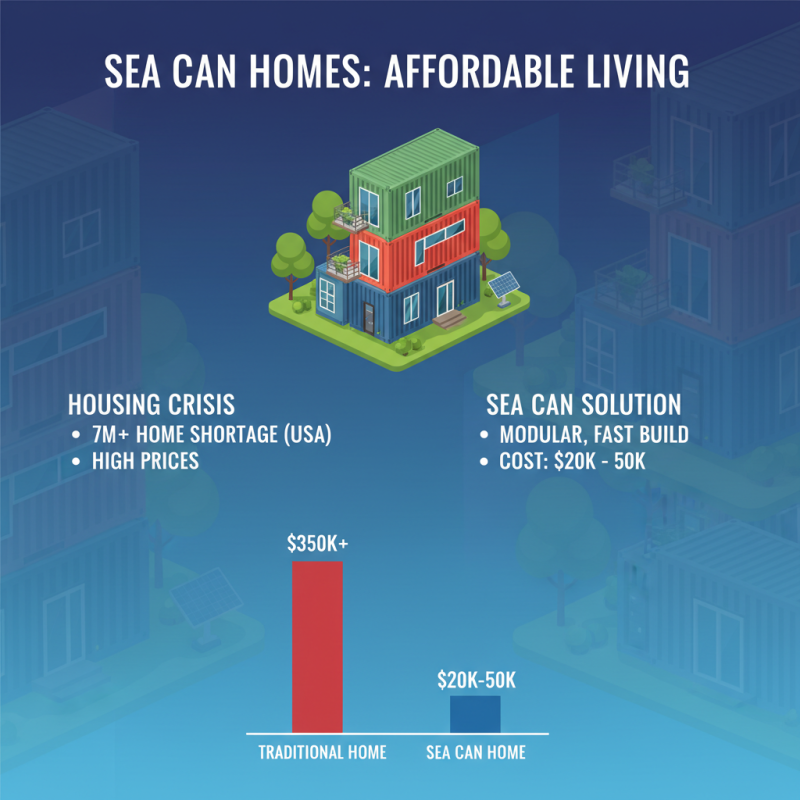
Sea can homes, constructed from repurposed shipping containers, provide a cost-effective housing solution that addresses the growing demand for affordable living options. According to a report by the National Low Income Housing Coalition, there is a shortage of over seven million affordable rental homes in the United States alone. This deficit has driven prices sky-high, making housing unaffordable for many. Sea can homes, with their modular designs and simple construction process, offer an innovative alternative. The average cost of a new traditional home can exceed $350,000, whereas sea can homes can be constructed for as little as $20,000 to $50,000, depending on size and customization.
Moreover, the affordability of sea can homes is not merely a matter of initial cost. Their energy efficiency and durability translate into long-term savings for homeowners. Data from the U.S. Department of Energy indicates that energy-efficient homes can save residents up to 30% on their energy bills. Repurposed shipping containers are well-insulated and can incorporate renewable energy systems such as solar panels, further reducing utility costs. As urban populations continue to rise and housing prices remain a pressing issue, sea can homes present a sustainable and economical solution for those seeking a viable path to homeownership.
Sustainability of Sea Can Living: Eco-Friendly Construction Practices
The sustainability of sea can living is a crucial aspect of the growing interest in alternative housing solutions. With the construction sector accounting for approximately 39% of global carbon emissions, it's imperative that new building practices aim for minimal environmental impact. Sea can homes utilize repurposed shipping containers, effectively recycling materials that would otherwise contribute to landfills. This adaptive reuse not only conserves resources but also reduces the need for traditional construction materials, which often involve extensive manufacturing processes that consume energy and emit greenhouse gases.
In addition to their eco-friendly construction methods, sea can homes offer energy-efficient advantages. According to a report by the U.S. Department of Energy, well-insulated shipping container homes can achieve energy savings of up to 30% compared to conventional buildings. Incorporating green technologies such as solar panels, rainwater harvesting systems, and energy-efficient heating and cooling systems further enhances their sustainability profile. By embracing these innovative practices, sea can living not only addresses the urgent need for affordable housing but also champions environmental stewardship in urban planning and development.
Top Benefits of Sea Can Homes
This chart illustrates the top benefits of living in sea can homes. Key advantages include affordability, sustainability, mobility, durability, and eco-friendliness, with affordability being the most significant benefit according to survey data.
Versatility of Sea Can Homes: Customization and Design Options
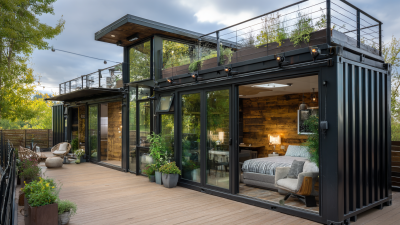
Sea can homes, also known as shipping container homes, offer remarkable versatility in customization and design, catering to diverse lifestyles and preferences. According to a report by the Container Housing Industry Association, the global market for container homes is projected to reach $73 billion by 2025, demonstrating the growing popularity of these unique dwellings. Homeowners can modify shipping containers in various ways: combining multiple units to create spacious, multi-story homes or constructing individual units for compact, minimalist living. Designers leverage innovative architectural techniques to transform these containers into stylish, functional spaces that rival traditional homes.
The customization options for sea can homes are virtually limitless, allowing for personalized living experiences. Interior layouts can be tailored to suit specific needs — from open-concept living areas to efficient, space-saving designs. Many homeowners opt for eco-friendly materials and energy-efficient installations, which align with sustainability goals. Furthermore, some reports suggest that shipping container homes can be built at approximately 30% less than conventional homes, emphasizing their economic advantages alongside their design flexibility. Whether repurposing for family units, vacation rentals, or unique workspace solutions, the adaptability of sea can homes makes them an attractive option for forward-thinking individuals aiming for sustainable living.
Community Impact: How Sea Can Homes Foster Sustainable Living
Sea can homes are revolutionizing the concept of sustainable living by creating strong community bonds and promoting eco-friendly practices. These innovative living solutions transform shipping containers into functional homes that not only minimize waste but also encourage residents to embrace a collective lifestyle. The use of repurposed materials significantly reduces the carbon footprint associated with traditional construction, allowing communities to thrive while being mindful of their environmental impact.
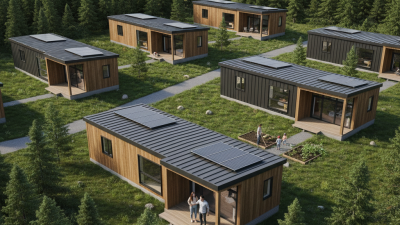
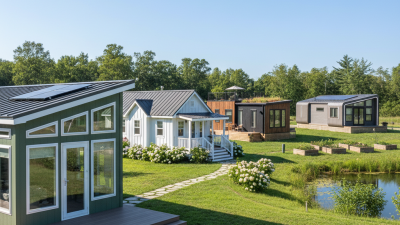
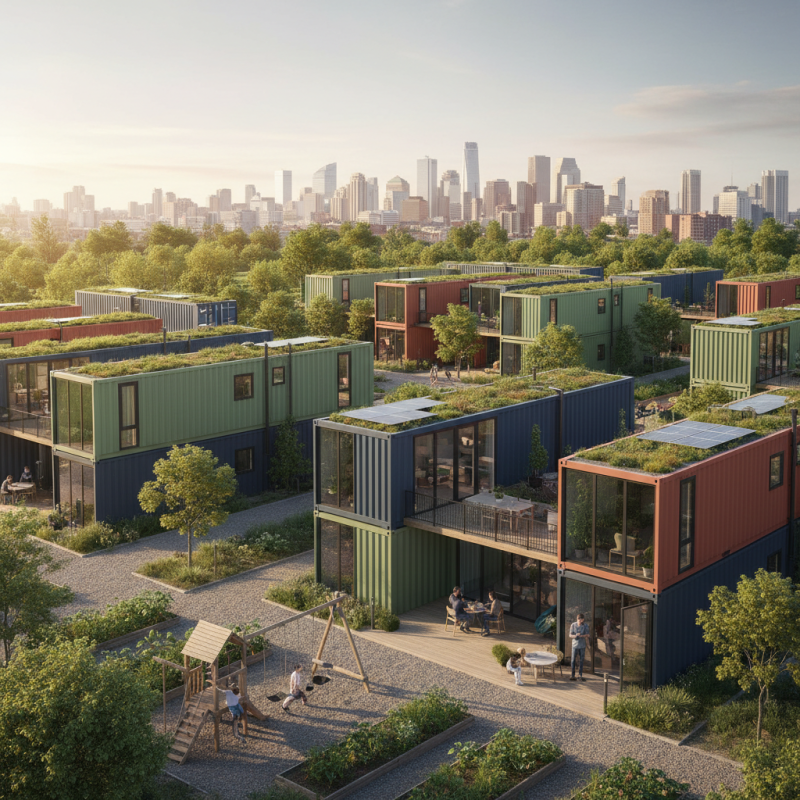
Moreover, sea can homes foster a sense of belonging and collaboration among residents. As these homes are often designed in clusters, they provide opportunities for communal spaces, such as gardens and recreational areas, where neighbors can interact and share resources. This kind of environment nurtures a supportive community atmosphere, encouraging social connections that lead to initiatives focused on sustainability, such as shared gardening projects or resource exchanges. Ultimately, sea can homes represent a shift towards holistic living, where individuals not only share physical space but also commit to a sustainable future together.