Large Container Homes Tips for Building Affordable Sustainable Housing
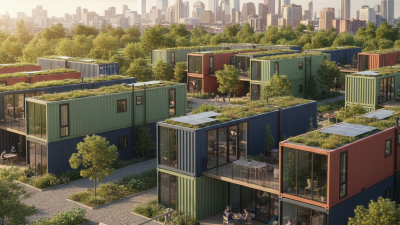
Building affordable and sustainable housing is a growing concern for many. Large Container Homes offer a unique solution. These homes utilize shipping containers, which are often inexpensive and widely available. They can be transformed into stylish, functional living spaces with creativity and effort.
However, the process is not without its challenges. Many people underestimate the complexities involved in converting containers into homes. Structural integrity needs careful consideration. Proper insulation is essential for comfort. These factors often require additional planning and expertise.
Designing Large Container Homes can also be a process of trial and error. Limited space can spur innovative ideas. Yet, it can also lead to frustration when initial concepts do not work as planned. Flexibility and adaptability are crucial. Embracing imperfection can lead to unique and personalized results in your sustainable housing journey.
Benefits of Using Large Containers for Sustainable Housing
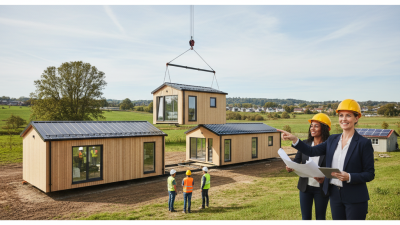
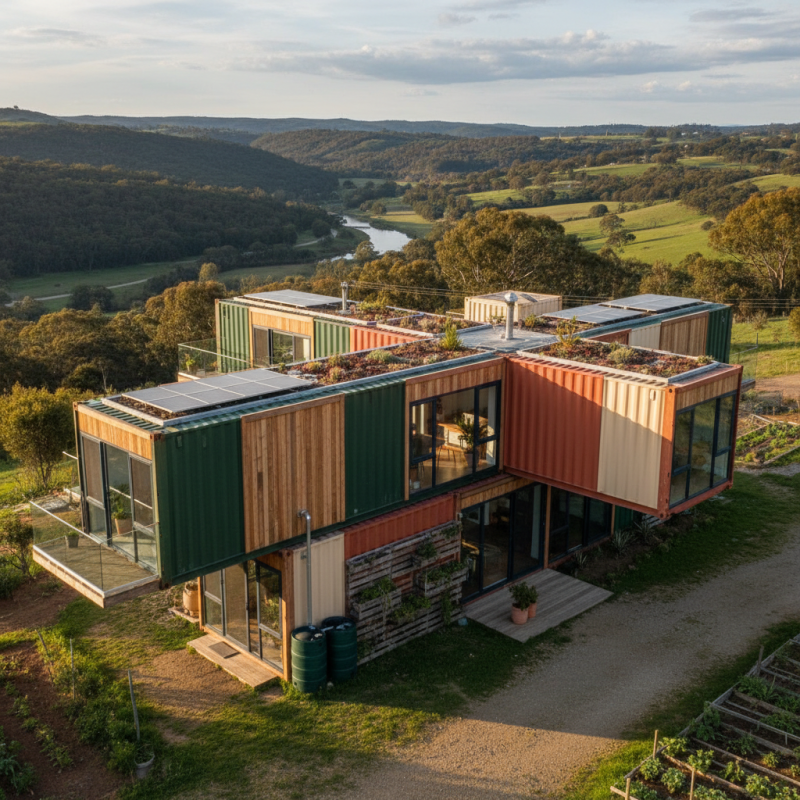
Large containers are gaining traction as a sustainable housing option. Their size offers ample space for creative design. According to the United Nations, urban populations are expected to reach 68% by 2050. This demand for affordable housing makes container homes an appealing solution. They can be built off-site, leading to reduced construction waste and a smaller carbon footprint.
One key benefit is cost efficiency. A report by the World Economic Forum indicates that conventional housing can cost up to 30% more than container homes. Additionally, these containers are often made from recycled materials. This not only saves costs but also helps in reducing landfill waste. However, not all designs optimize energy use, which can lead to high utility bills. It's crucial to incorporate efficient insulation to avoid this pitfall.
Container homes offer versatile layouts, but they do require careful planning. Without proper design, they can feel cramped. Of course, there are limitations. Zoning laws may restrict their use in certain areas. Users must navigate these regulations. Despite the challenges, the real impact of container homes is evident. They provide a sustainable alternative that can adapt to various environments, sparking innovative design approaches.
Large Container Homes Tips for Building Affordable Sustainable Housing - Benefits of Using Large Containers for Sustainable Housing
| Aspect |
Details |
| Cost |
Approximately 30% lower than conventional homes. |
| Construction Time |
Can be built in a few months, significantly faster than stick-built homes. |
| Sustainability |
Utilizes recycled materials; lower carbon footprint. |
| Design Flexibility |
Can be customized for various layouts and styles. |
| Durability |
Strong and resistant to weather conditions and pests. |
| Energy Efficiency |
Easily insulated; can include solar panels for additional savings. |
| Mobility |
Can be relocated if necessary, providing flexibility for owners. |
Essential Planning Steps for Building Container Homes
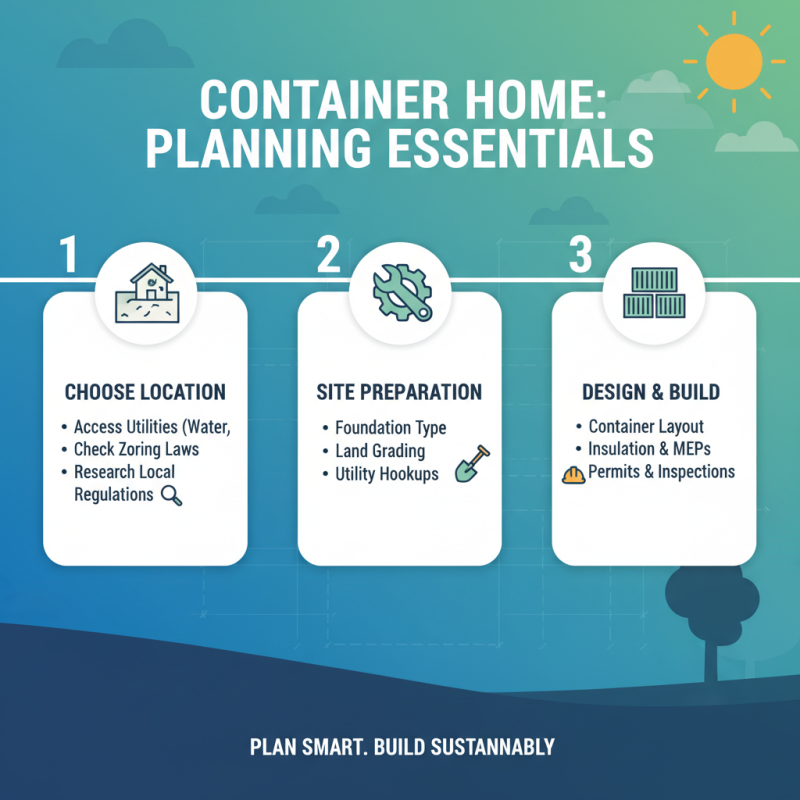
Building a container home requires careful planning and consideration. Start by choosing the right location. Look for land that has access to necessary utilities. Be aware of zoning laws. These laws can affect what you can build. Researching local regulations is crucial. It helps avoid future issues that could derail your project.
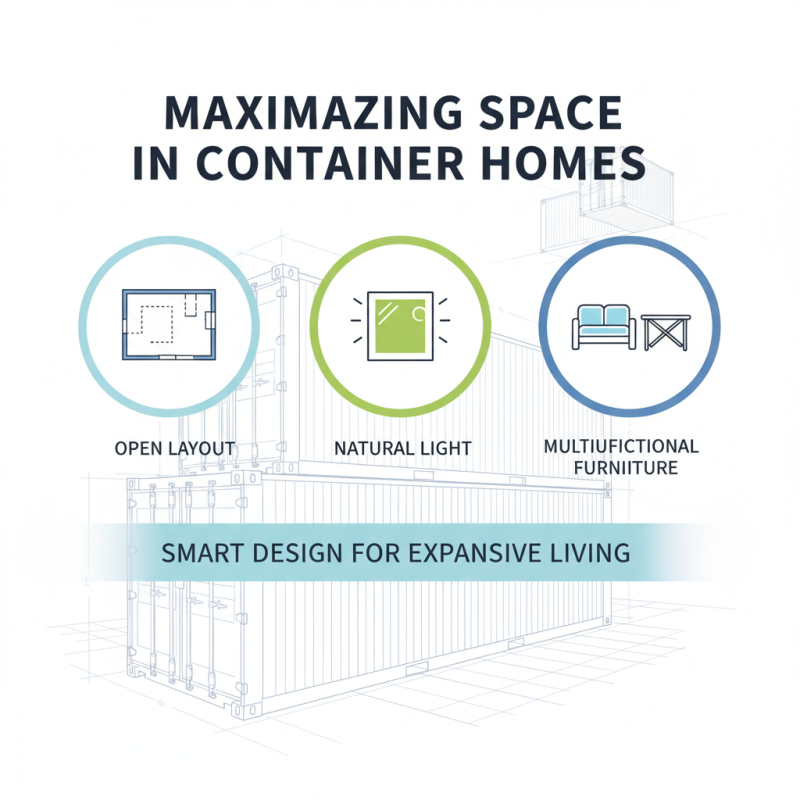
Next, consider your layout. Think about how many rooms you need. Open floor plans can create a sense of space. Yet, dividing areas can provide privacy. Visualize the flow of your home. Sketching can help you see what works. Keep in mind the size of the containers. They are limited in dimensions, which is a reality check.
Budgeting is another essential step. Container homes can be affordable, but costs can add up. Factor in insulation, plumbing, and permits. Prices differ by location and market demand. It can be tempting to cut corners, but this may lead to regrets. Balancing savings with quality is important. Ultimately, planning well can make your container home a sustainable haven.
Materials and Tools Needed for Container Home Construction
When it comes to constructing large container homes, the selection of materials and tools plays a critical role. Steel shipping containers are the backbone of this sustainable housing trend. These containers are not only recycled but also robust, providing a solid structure that can withstand various weather conditions. According to a report from the World Bank, utilizing recycled materials can cut construction costs by up to 30%.
Tools are equally important in this construction process. A plasma cutter is essential for modifying the shipping containers. Construction estimates suggest that this tool can reduce cutting time by 50% compared to traditional methods. Other essential tools include welders and power drills. These tools allow for easy assembly and modification of design, giving homeowners flexibility. However, the initial expense of high-quality tools can be daunting for many DIY enthusiasts.
Building large container homes also requires careful planning. One common oversight is underestimating the importance of insulation. While the metal structure is durable, it can lead to significant heat loss or gain without proper insulation. Reports indicate that improper insulation can result in energy bills that are 20% higher than expected. Investing time in research and proper material selection will help mitigate these issues, leading to a more comfortable and affordable home.
Tips for Ensuring Energy Efficiency in Container Homes
When building container homes, energy efficiency plays a vital role. Research indicates that energy-efficient homes can significantly reduce utility costs. For instance, homes designed with energy efficiency in mind can save homeowners up to 30% on energy bills. This is crucial for long-term affordability.
Choosing the right insulation materials is key. Spray foam insulation can provide an excellent thermal barrier. Additionally, using windows with double glazing can greatly enhance energy retention. According to the U.S. Department of Energy, about 25% to 30% of heating and cooling energy use can be attributed to inefficient windows.
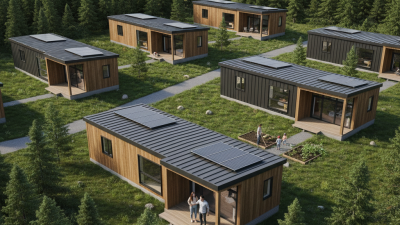
Solar panels are another essential component. They can lower electricity bills and provide renewable energy. However, upfront costs can be high. Integrating energy-efficient appliances also matters. Look for Energy Star-rated appliances to maximize savings. Many container home builders overlook these details, but they are critical for a truly sustainable design. Balancing initial expenses with long-term savings requires careful planning and consideration.
Energy Efficiency Measures in Container Homes