2026 Best Types of Home Parks for Global Buyers?
Choosing the right Home Parks can shape a buyer’s lifestyle, expenses, and long-term security. In 2026, global buyers may compare manufactured home communities, senior-oriented parks, RV resorts, eco-focused communities, and mixed-use residential parks. Each type offers different services, ownership structures, maintenance responsibilities, and community expectations.
A quiet coastal park may provide walking paths, shared gardens, and reliable utilities. An inland community may offer larger plots, lower operating costs, and easier access to hospitals or schools. Some parks include security gates, clubhouses, storage areas, and transport links. Others look attractive online but provide limited services after the purchase. Photos can mislead.
Local research matters.
Buyers should examine zoning, land ownership, occupancy rules, insurance requirements, utility charges, resale conditions, and management agreements. These details differ widely between countries and even between nearby parks. Professional advice from licensed property agents, surveyors, tax specialists, and local legal advisers can reduce avoidable risks. Independent inspections are also valuable, especially for manufactured homes, drainage systems, electrical connections, and shared infrastructure.
This guide explores the best types of Home Parks for global buyers in 2026. It focuses on practical comparisons rather than fashionable promises. Affordability is important, but it should not hide weak management or uncertain future costs. I may favor well-managed communities, yet no park suits everyone. A buyer seeking retirement calm needs different facilities from a remote worker or seasonal traveler. Careful questions, verified documents, and a realistic budget remain more useful than a perfect brochure.
What Are Home Parks and Why Are They Attracting Global Buyers in 2026?
Home parks are managed communities where residents own or rent manufactured, modular, or park-style homes. In 2026, they attract global buyers because they combine lower entry costs with shared facilities, landscaping, and basic services. The U.S. Census Bureau recorded more than 100,000 manufactured-home shipments in several recent years. The Manufactured Housing Institute also estimates that about 22 million Americans live in manufactured homes. These figures show established demand, not a temporary trend.
Different park types suit different buyers. Resident-owned parks can offer stronger control over land decisions. Leasehold parks may require less capital, but monthly site fees can rise. Resort-style parks may attract short-term renters and retirees. Workforce parks can serve areas with persistent housing shortages. UN-Habitat estimates that roughly 1.6 billion people lack adequate housing worldwide. That pressure makes affordable community housing increasingly relevant, including for overseas investors.
Tips:
Check land ownership, lease length, service charges, vacancy rules, and local taxation. Request audited operating records before making an offer. A low purchase price can hide expensive infrastructure repairs. Currency movements also matter. I would not treat every park as passive income. Management quality, drainage, roads, and resident stability often determine performance. The concept is attractive, but the numbers need uncomfortable questions. Foreign buyers should use independent legal, tax, and property professionals in the destination country.
Key Types of Home Parks and Their Main Differences
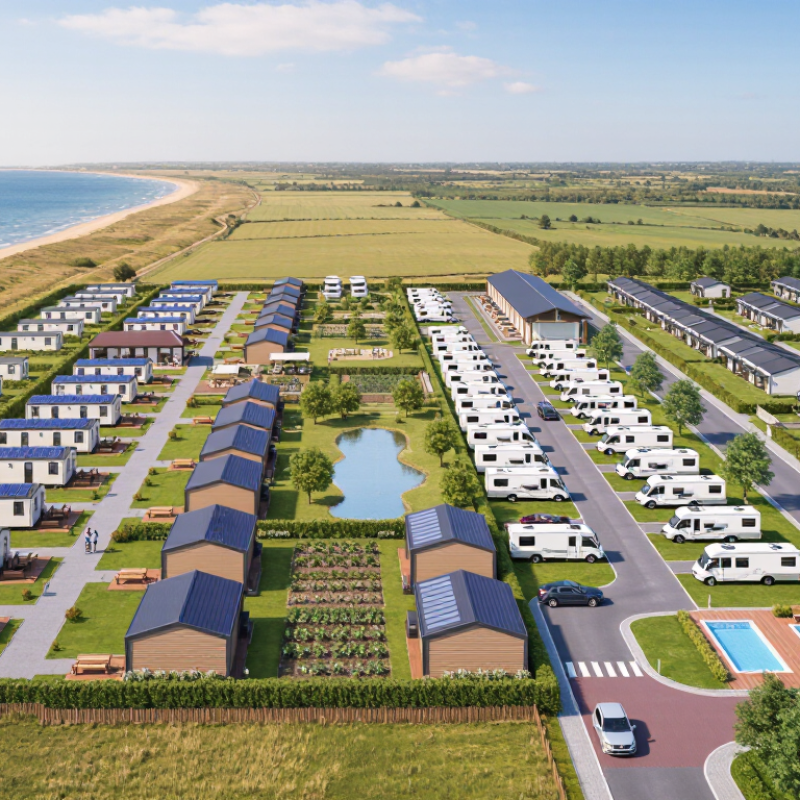
Home parks are not one uniform property type. For global buyers, the main difference is how the home, land, and services are controlled. Manufactured-home communities usually contain fixed homes on rented plots. Buyers may own the structure but pay monthly site fees. Park-home estates can offer stronger residential standards, yet rules may limit age, appearance, or subletting. These details affect lifestyle and resale value.
Holiday and seasonal parks are designed for short stays, not automatic permanent residence. They may provide furnished cabins, shared pools, and managed maintenance. However, occupancy calendars, rental restrictions, and closure periods can reduce personal use.
RV parks serve movable units and often charge by night, month, or season. They suit flexible travel, but income and privacy may be less predictable. Tiny-home communities are another option, although planning approval and utility connections vary sharply by location.
A reliable comparison should examine tenure, annual fees, utility billing, insurance, drainage, and emergency access. I would request park rules, service contracts, and recent fee history in writing. Local zoning can change the answer completely. Foreign buyers may face extra checks on ownership, residency, taxes, and currency transfers.
The labels are not always consistent. One “residential park” may permit full-time living, while another prohibits it. A low purchase price can hide costly road or wastewater upgrades. That assumption can fail. Visit in different weather, speak with residents, and inspect the ground, not only the show home.
How to Compare Locations, Amenities, Costs, and Ownership Models
A home park can mean a manufactured-home community, an RV park, or a holiday village. Compare like with like. Freddie Mac’s 2024 manufactured-housing research estimates that these homes make up about 6.7% of U.S. housing stock and shelter roughly 22 million people. That scale makes community quality worth examining, not assuming. Check whether homes are owner-occupied, rented, or used seasonally. Then compare access to hospitals, grocery stores, transport, and year-round services. A quiet lakeside site may feel ideal in summer. It may be less practical in winter.
Amenities need a real-world test.
Ask whether water, waste collection, internet, and road maintenance are included in the monthly charge. Visit at different times if possible. Look for drainage after rain, shaded walking routes, and the distance from parking to the home. Small details matter. RV Industry Association data recorded 333,733 U.S. RV shipments in 2024; shipments indicate market activity, not guaranteed park occupancy or investment returns. Treat them as context, not a forecast.
Ownership models can change the cost more than the home itself.
Fee-simple ownership may include land, while a lease or seasonal arrangement can add recurring fees and restrictions. Request a written schedule covering rent, utilities, maintenance, insurance, and possible increases. For cross-border buyers, confirm how local rules treat non-resident ownership and resale with a qualified local adviser. One awkward detail can outweigh a polished clubhouse: who pays for major repairs? Don’t skip that question.
Legal, Financial, and Management Factors for International Buyers
For global buyers, the best home park in 2026 will depend less on appearance than legal clarity. A well-run manufactured-home community may offer stable demand, but local rules vary sharply. Permanent residential parks, seasonal communities, and mixed-use parks each carry different approval and management risks. Confirm whether foreign ownership is permitted, then check zoning, land title, occupancy permits, and environmental records. An independent local lawyer should review every document. Never rely on a translated brochure alone. Visit after heavy rain.
Financial review should include the purchase price, transfer taxes, withholding rules, insurance, utilities, repairs, and management fees. Currency movements can reduce returns even when occupancy remains high. Request several years of rent rolls, payment histories, vacancy data, and maintenance invoices. Then compare them with bank statements. A reserve for roads, drainage, roofs, and shared systems is essential. Some buyers underestimate these costs. That mistake can be expensive.
Management quality often decides whether a park becomes an investment or a daily burden. Ask who handles resident communication, safety inspections, rent collection, vendor checks, and emergency repairs. A local manager may understand community expectations better than an overseas owner. Still, written reporting and approval limits protect both sides. Test response times before closing by sending a practical maintenance question. If the reply takes days, that is useful evidence. No model is perfect. Older parks may have stronger locations but hidden infrastructure problems, while newer parks may carry higher prices and thinner yields.
2026 Best Types of Home Parks for Global Buyers
Comparative due-diligence intensity across legal, financial, and management factors
Scale: 1 = lower complexity, 5 = higher complexity. Scores are a practical cross-border benchmark; zoning, ownership, taxation, financing, and operating rules vary by jurisdiction.
How to Choose the Best Home Park for Your Long-Term Goals
Choosing the best home park in 2026 starts with your long-term purpose, not the lowest purchase price. A quiet coastal park may suit retirees, while a park near hospitals, schools, and public transport may better support a working family. Define your expected stay, mobility needs, budget, and likely resale plans before comparing locations.
Walk through the park at different times. Listen for traffic, inspect drainage after rain, and check road lighting near your intended home. Ask for written details about service charges, maintenance responsibilities, occupancy rules, and planned construction. Reliable operators should explain these costs clearly. Local planning records and independent property advice can reveal risks that brochures often miss.
Consider climate exposure, internet access, water systems, waste services, and emergency routes. These practical details shape daily comfort more than attractive landscaping. Speak with several residents, but treat every opinion carefully. One resident’s peaceful experience may not match yours. I would also test the journey to essential services during busy hours. It can feel inconvenient, yet that small test may prevent years of frustration. Financial projections should include insurance, repairs, park fees, currency changes, and possible periods without a buyer. My own preference would be a slightly less scenic park with transparent management and strong infrastructure, although that choice may sacrifice some short-term excitement. Long-term fit is personal, and no checklist removes every uncertainty.